IN Brief:
- Fruit material generated during fresh-cut processing will be converted into beverage extracts.
- The initial portfolio covers pineapple, mango, watermelon, and cantaloupe profiles.
- Commercial viability depends on stabilising variable, perishable side streams and delivering consistent ingredient specifications.
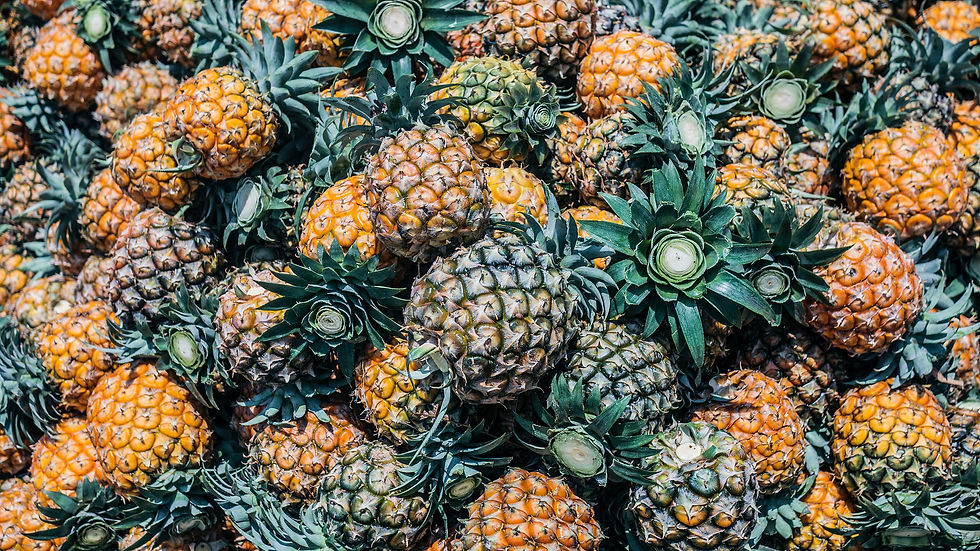
Del Monte Corporation and Treatt have developed a range of fruit extracts using pineapple, mango, watermelon, and cantaloupe material generated during fresh-cut fruit processing.
Fruit portions that do not enter Del Monte’s prepared products will be directed into Treatt’s extraction operations, creating ingredients for beverage manufacturers rather than remaining a lower-value processing stream.
Fresh-cut production generates peel, cores, trimmings, flesh, juice, and other fractions as whole fruit is converted into retail and foodservice portions. Those materials can retain aroma compounds, soluble solids, acids, colours, fibres, and other components with potential value in formulation.
The composition of each stream varies with fruit variety, origin, ripeness, season, storage, and processing conditions. Treatt will apply extraction, analytical control, and blending to produce ingredients that remain sufficiently consistent for commercial beverage recipes.
The initial portfolio covers four widely used profiles with applications across flavoured waters, juice drinks, carbonated beverages, alcoholic products, syrups, and functional drinks. The ingredients are intended to provide recognisable fruit character while supporting cleaner labels and more efficient raw material use.
For Del Monte, the partnership creates an additional route for material already entering its processing network. Treatt gains access to defined industrial fruit streams that can be incorporated into extraction planning rather than purchased solely through conventional ingredient markets.
Investment in side-stream ingredients is expanding beyond fruit, including the commercialisation of prebiotic fibre produced from carrot pomace. Both models rely on converting variable processing residues into controlled, saleable specifications.
Side streams require ingredient-grade controls
Large quantities of fruit residue can appear to offer a straightforward source of ingredients, although the physical condition of the material creates immediate challenges. Most streams contain substantial water, deteriorate quickly, and may begin fermenting or losing volatile flavour compounds soon after separation.
Collection and stabilisation must therefore be integrated closely with the fresh-cut operation. Delays, elevated temperatures, oxygen exposure, or microbial contamination can change the sensory profile before extraction begins, reducing both quality and yield.
Separation systems also need to distinguish suitable material from foreign matter, cleaning residues, packaging, or fruit fractions that do not meet the intended specification. An upcycled input remains subject to the same food safety and traceability standards as any other ingredient.
Seasonal variation creates a second engineering problem. A pineapple core processed during one crop period may contain a different balance of sugar, acid, moisture, and aroma from material received several months later. Mango and melon streams introduce their own variability in colour, texture, and flavour intensity.
Analytical testing and blending allow those differences to be narrowed. Treatt can combine lots, adjust process conditions, and establish release specifications around flavour strength, acidity, soluble solids, colour, microbiology, and physical stability.
Traceability must reach back into the fruit supply chain. Beverage customers may require information on origin, pesticides, contaminants, microbiological status, storage, and processing history, particularly where an extract supports label claims around sourcing or waste reduction.
The economics depend on recovering enough value to cover segregation, transport, stabilisation, extraction, testing, and standardisation. Fruit side streams already have possible outlets in animal feed, anaerobic digestion, composting, or lower-value food applications, so beverage ingredients must provide a stronger return without creating inefficient logistics.
Water content can make transport particularly expensive. Processing near the fresh-cut site, concentrating the material before movement, or coordinating high-volume collections may be necessary to prevent freight from consuming the value of the recovered compounds.
Manufacturers purchasing the extracts will assess flavour, aroma, solubility, stability, colour, cost, and consistency before considering the circular sourcing narrative. A material that sediments, fades, or varies between batches creates formulation and production problems regardless of its origin.
The partnership offers a structured relationship between a large fruit processor and an ingredient specialist. Del Monte can provide predictable access to defined streams, while Treatt supplies the processing and standardisation needed to turn them into repeatable manufacturing inputs.
That division of capability provides a practical model for wider food upcycling. Residues become valuable when they can be collected under control, converted efficiently, and sold against a specification that performs like a conventional ingredient rather than an unresolved waste material.