IN Brief:
- Planning approval has cleared a 3,078-square-metre warehouse extension at Suntory’s Coleford factory.
- The building will support a £25 million line capable of around 55,000 bottles an hour.
- Apollo 5 will replace two older lines and is scheduled to enter production during 2027.
Suntory Beverage & Food GB&I has secured planning approval for the warehouse extension needed to install its £25 million Apollo 5 bottling line at the Royal Forest Factory in Coleford, Gloucestershire.
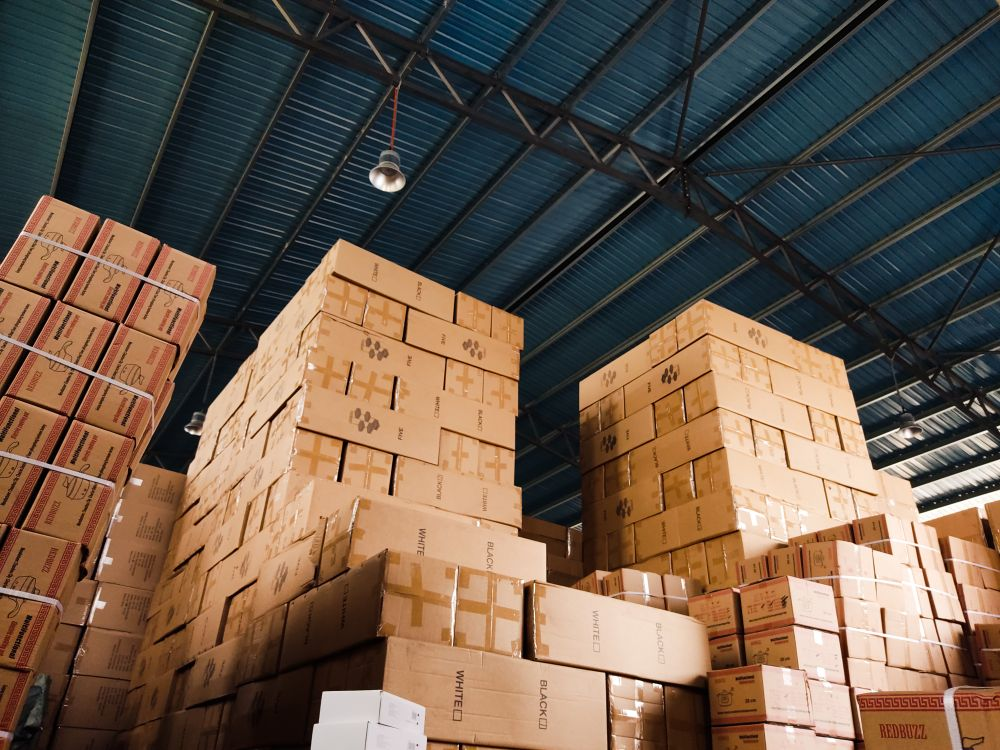
Forest of Dean District Council approved a ten-bay, 3,078-square-metre extension with a single-pitched roof and steel portal frame. The project also covers connections to existing factory infrastructure and the removal of trees within the development area.
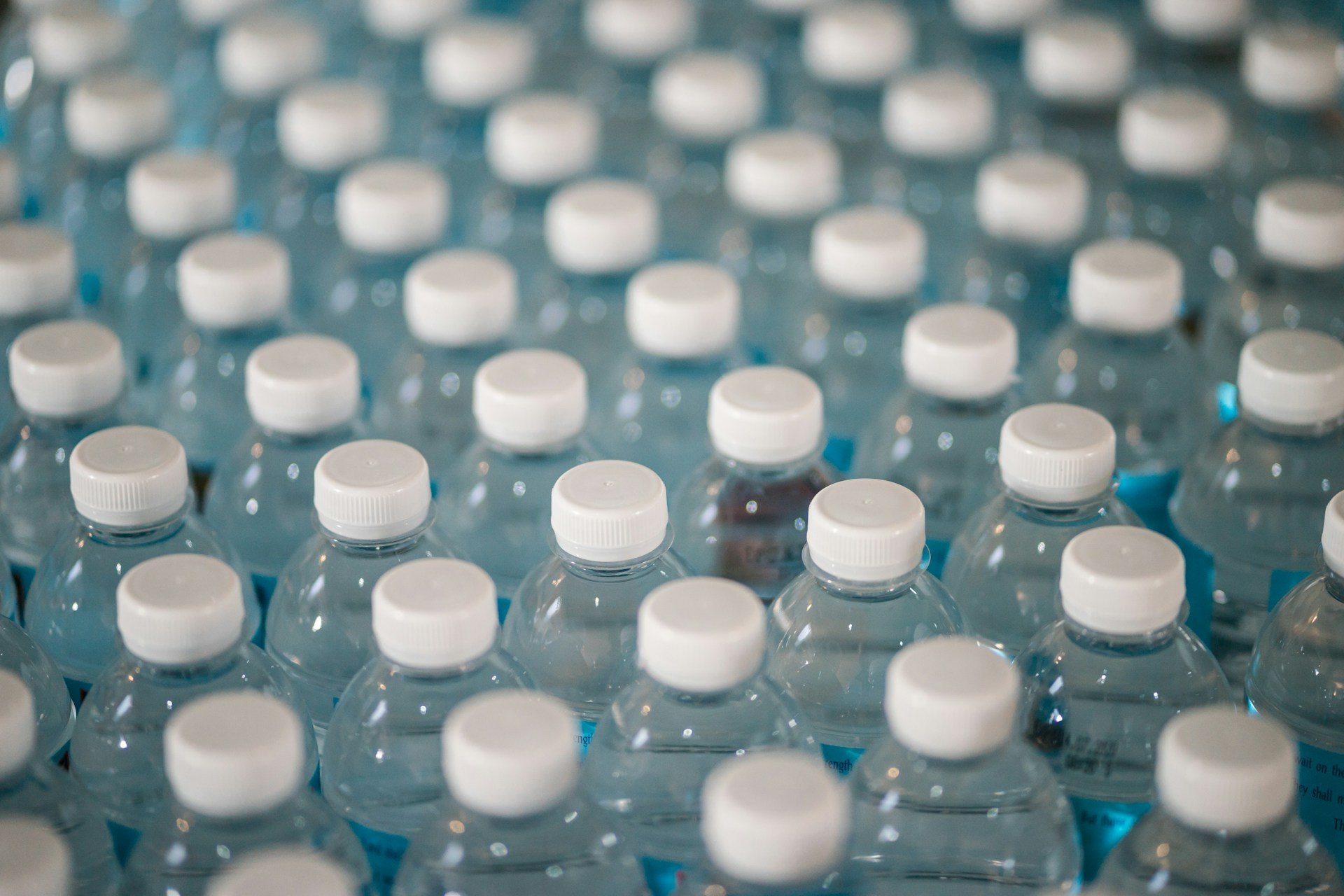
Apollo 5 is expected to handle approximately 55,000 bottles an hour when production begins in 2027. The line will support Lucozade and Ribena manufacturing and replace two older lines requiring improvement.
The Coleford site operates eight bottling lines and can produce around one billion bottles annually. It is Suntory’s only UK manufacturing plant and employs approximately 350 people, accounting for a substantial share of industrial employment in the town.
The £25 million programme was announced in February, while the planning decision clears the construction work required around the production asset. High-speed bottling installations depend on far more than the delivery of machinery, since buildings, utilities, access, drainage, fire controls, storage, and downstream handling must be completed to the same project schedule.
Replacing two older lines with a single higher-output system can simplify maintenance, labour deployment, and production planning, although it also concentrates more volume on one asset. Availability, preventive maintenance, critical spares, and recovery from short stops consequently become more significant once the older capacity is removed.
The warehouse extension must support inbound packaging, line-side replenishment, finished-product accumulation, pallet movement, and dispatch. A filler rated at 55,000 bottles an hour cannot sustain output if preforms, closures, labels, or secondary packaging arrive late, or if completed pallets cannot move away from the line quickly enough.
Associated infrastructure spending is expected to exceed £10 million, reflecting the scale of work needed to accommodate the production system. The development forms part of a wider £57 million investment across Suntory’s British operations.
Higher line speeds reshape the factory
Nameplate speed provides only the upper limit of output. Commercial performance will depend on overall equipment effectiveness, product sequencing, changeover duration, cleaning, packaging-material consistency, and the accumulation of brief stops during each shift.
Lucozade and Ribena ranges include different formulations, bottle sizes, labels, closures, and multipack formats. Each variant introduces coding changes, line-clearance requirements, inspection settings, packaging verification, and potential cleaning work, making scheduling as important as mechanical speed.
Modern bottling assets also need to accommodate packaging change over a working life measured in decades. Lightweight bottles, increased recycled content, tethered closures, deposit-return markings, and altered labels can affect conveying, filling, capping, inspection, and pack stability.
Utility capacity may become the limiting factor if it is not upgraded alongside the line. Compressed air, process water, electricity, cooling, heating, and wastewater treatment must cope with peak demand, while the plant’s existing systems continue to support the other seven lines.
Suntory is also bringing more raw-material processing into its UK network through investment that will localise Ribena blackcurrant handling closer to Coleford. Linking agricultural intake, ingredient preparation, and final bottling can reduce intermediate transport while requiring tighter coordination between seasonal crop availability and year-round beverage schedules.
Production concentration creates both efficiency and exposure. A newer line can improve energy and water use per bottle, reduce manual intervention, and support more consistent quality, but a prolonged failure affects a larger proportion of the site’s total volume.
Commissioning will therefore include dry testing, water runs, product trials, package validation, operator training, maintenance preparation, and a controlled ramp-up. The factory will also need to transfer products from the older lines without disrupting customer supply or carrying excessive duplicated stock.
Packaging-material trials will be particularly important because higher speeds narrow the tolerance for variation. Minor differences in preform dimensions, bottle stiffness, closure torque, label release, film behaviour, or carton quality can produce repeated micro-stops that erode output.
The planning approval allows construction and equipment preparation to move into closer alignment. Any delay to the extension could affect machinery access, installation, utilities, or warehouse readiness, while premature building completion would leave capital tied up before the production line is available.
Coleford’s existing scale gives Suntory a strong base for the investment, with established labour, maintenance, quality, and logistics functions already in place. The new line is intended to modernise that base rather than establish a separate greenfield operation.
Once Apollo 5 enters service, performance will be assessed through sustained output, waste, energy, water, changeovers, and service levels rather than maximum hourly speed. Replacing two lines with one will have succeeded only if the complete factory can supply materials, utilities, people, and downstream capacity reliably enough to keep it running.
The unanimous planning decision clears an important part of that programme, moving Suntory closer to its first commercial runs in 2027 and extending the operating life of one of the UK’s largest soft-drink factories.