IN Brief:
- More than half of surveyed chief executives could not sustain uninterrupted operations beyond three weeks.
- Businesses would accept an average supplier-cost increase of 17.3% to strengthen resilience.
- Food manufacturers need approved alternatives, supplier visibility, inventory controls, and rehearsed recovery plans.
Proxima has found that 51% of chief executives at large companies believe their organisations could not maintain uninterrupted operations for more than three weeks after a major supply disruption.
The procurement consultancy surveyed more than 500 chief executives at businesses with annual revenues above $500 million across the UK, US, Germany, Australia, and Singapore.
Respondents were prepared to accept an average increase of 17.3% in third-party supplier costs to achieve stronger resilience. Seventy-two per cent would tolerate an increase above 10%, indicating that continuity is being assigned a measurable commercial value rather than treated solely as a contingency expense.
Food production often operates with a much shorter recovery window than three weeks. Chilled ingredients and finished products have limited shelf life, retailer deliveries are tightly scheduled, and continuous factories can lose substantial volume within a single day.
A missing closure, label, culture, processing aid, or approved packaging film can prevent an otherwise complete product from being released. Critical utilities create the same exposure because water, refrigeration, electricity, steam, compressed air, and data systems cannot always be replaced quickly.
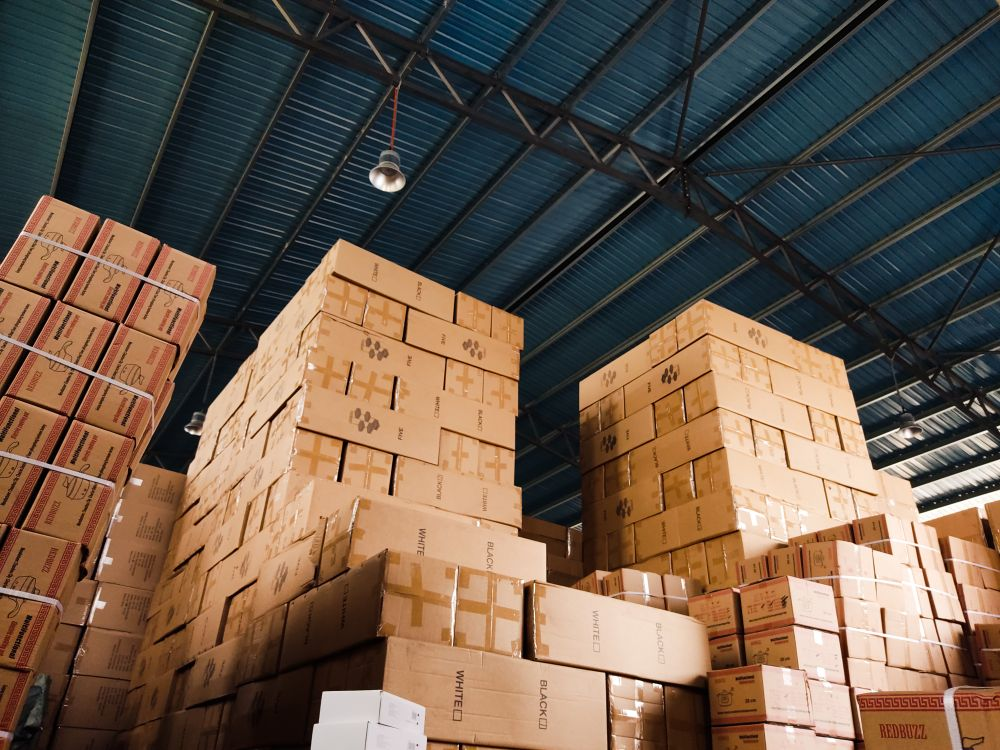
Lean inventories improve working capital and reduce waste, but they also narrow the buffer available when an upstream plant, port, haulier, warehouse, or packaging converter stops operating. The correct stock level consequently varies by shelf life, lead time, substitutability, storage capacity, and the cost of losing production.
Cyber disruption has become another significant source of operational failure. Forty-five per cent of respondents had experienced an incident linked to a supplier during the previous two years, while only 35% had real-time visibility of cyber risk across their supply base.
Food businesses increasingly connect ordering, planning, warehouse, quality, maintenance, and production systems. A failure at a logistics provider, ingredient supplier, software platform, or external data service can therefore obstruct the factory even when its own machinery remains available.
Resilience requires approved operating alternatives
Dual sourcing provides limited protection when both suppliers depend on the same raw material, region, port, utility, or subcontractor. Mapping needs to extend beyond the immediate vendor to shared plants, transport routes, specialist processors, and the origins of critical inputs.
Alternative materials must also be technically qualified before a disruption occurs. Ingredients from another source can differ in viscosity, particle size, colour, flavour, microbiological profile, and processing behaviour, while packaging from a second converter may run differently through filling and sealing equipment.
Emergency substitution without prior trials can transfer a procurement failure into line downtime, quality loss, or an undeclared specification change. Approved alternates, retained samples, documented settings, and customer agreement reduce the time needed to make a controlled switch.
Additional inventory is practical for long-life packaging, spare parts, and dry ingredients, although it is less effective for fresh produce, chilled dairy, or short-life proteins. Stock policies need to distinguish materials that are both critical and realistically storable from those requiring alternative capacity or faster decision routes.
The wider chief-executive findings have already been examined through the price companies are prepared to place on resilience. Food production adds shelf life, allergen status, recipe approval, food safety, and constrained processing windows to the procurement calculation.
Real-time visibility can improve decision-making, but dashboards do not create capacity. Data needs to lead to predefined actions covering product prioritisation, production transfer, customer communication, alternative transport, and the authority to approve temporary specification changes.
Risk registers are equally limited when they are not tested. A rehearsed plan identifies who makes each decision, which evidence is required, where products can be manufactured, how packaging and ingredients will be supplied, and how the line will be released after a change.
Building redundancy carries a visible cost during normal trading. Extra inventory uses cash and warehouse space, duplicate tooling must be maintained, and reserved capacity may appear inefficient when demand is stable.
The value appears when a disruption would otherwise stop production, making resilience vulnerable to cost reduction between crises. Proxima’s findings suggest senior management is prepared to fund more protection, but spending must be directed toward the dependencies capable of halting the factory.
Procurement processes can themselves restrict flexibility. Seventy-eight per cent of respondents viewed existing norms as a barrier to adopting artificial intelligence, with rigid specifications, long tender cycles, fragmented data, and unit-price targets slowing the use of predictive and collaborative tools.
Supplier relationships will need to accommodate shared capacity planning, earlier warning, joint testing, and investment in alternative processes. A contract that secures the lowest price without providing access to production data or recovery capacity may weaken the buyer’s position during a shortage.
Food manufacturers also need to account for network concentration. Several approved suppliers may ultimately depend on one upstream processor or packaging-resin producer, while a single cold store, port, or specialist haulier can serve multiple competitors.
Three weeks is longer than the usable life of many foods and longer than the uninterrupted operating tolerance of most high-volume plants. Resilience must therefore be designed around the pace of production, with materials, decisions, and alternative capacity prepared before the first scheduled delivery fails.