IN Brief:
- PHAntastic has produced two pilot-scale PHBV grades using residues from agri-food processing.
- The material is being developed into biodegradable mulch films and nursery foams carrying biological crop inputs.
- Commercial-condition validation is planned as the consortium works towards Technology Readiness Level 6 by 2028.
PHAntastic has produced two pilot-scale grades of biodegradable PHBV material from agri-food processing residues, advancing work on agricultural films and nursery foams designed to degrade in soil after use.
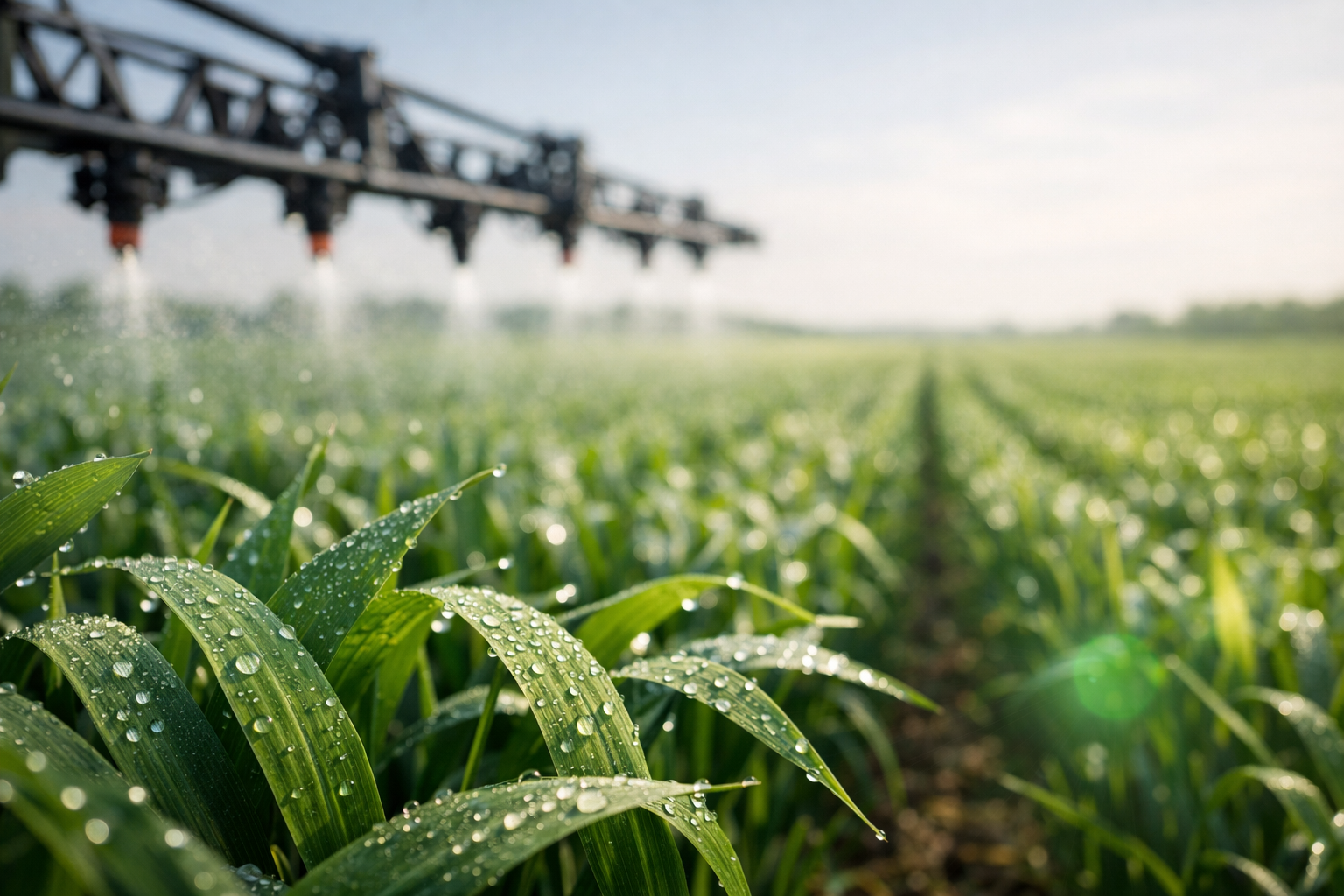
The Horizon Europe project is developing mulch films and growth foams that replace conventional fossil-based plastics while carrying biological fertilisers, biostimulants, and crop-protection inputs.
Running from September 2024 until August 2028, the programme brings together 15 partners from seven European countries. Its early work has combined polymer production, biological screening, product conversion, and agricultural testing before larger demonstrations under commercial farming conditions.
PHBV, or polyhydroxybutyrate-co-valerate, belongs to the polyhydroxyalkanoate family of polymers produced through microbial fermentation. PHAntastic is using residues from food and agricultural processing as a renewable carbon source, linking polymer production with material streams that might otherwise have limited value.
Researchers are developing two principal applications: thin mulch films laid over cultivated soil and porous growth foams used in nurseries. Both products must retain sufficient mechanical performance during use before biodegrading within the soil environment.
The materials are also being engineered as controlled-release systems. Candidate inputs include amino acid biostimulants, algae extracts, plant-derived elicitors, micronutrients, and plant growth-promoting rhizobacteria.
Several bacterial candidates have shown the ability to support crop development while accelerating degradation of the PHA material. Prototype mulch films have achieved mechanical performance comparable with commercially available biodegradable alternatives, while early foam trials have confirmed their ability to carry biological inputs and beneficial microorganisms.
Initial crop applications include lettuce, broccoli, citrus plants, and ornamental tree nurseries. Those uses expose the materials to different crop cycles, irrigation regimes, soils, temperatures, handling systems, and periods of field deployment.
Biodegradation requires precise control
Agricultural plastics support weed control, moisture retention, soil warming, crop cleanliness, and more efficient use of water and inputs. Their removal is difficult because thin films become contaminated with soil, roots, water, and plant residues.
Contamination increases the weight transported for disposal or recycling, while torn fragments can remain in the field. Repeated use can contribute to persistent soil pollution even where farmers attempt to recover the material at the end of each crop.
A biodegradable replacement has to survive installation, wind, rainfall, irrigation, ultraviolet exposure, machinery, and routine field operations. If degradation begins too early, weeds can emerge, moisture control can weaken, and fragments may interfere with harvesting.
Conversely, material that persists long after the crop cycle offers little advantage over the plastic it replaces. Polymer composition, thickness, processing history, soil organisms, temperature, moisture, and pH all influence the degradation rate.
Adding active agricultural inputs makes the design more demanding because microorganisms and plant-derived compounds must survive incorporation into the material. Extrusion heat, pressure, drying, storage, and exposure to oxygen can reduce their activity before the film or foam reaches the field.
Release then needs to align with crop development. A rapid burst following the first irrigation could waste the active material, while slow release may deliver it after the stage at which the plant receives the greatest benefit.
The PHBV feedstock introduces its own variability. Agri-food residues differ in carbohydrate content, moisture, contamination, seasonality, and competing uses, requiring pre-treatment and fermentation control if the resulting polymer is to meet a repeatable specification.
After fermentation, recovery and purification influence colour, odour, molecular weight, thermal behaviour, and processability. Those properties determine whether the material can be compounded, extruded, and converted into films or foams on commercially relevant equipment.
Cost remains one of the largest barriers to wider PHA use. Conventional polyethylene benefits from established global production, familiar converting systems, and relatively low prices, while fermentation-derived polymers carry costs associated with feedstock preparation, biological production, recovery, and certification.
Using processing residues can lower part of the feedstock burden, although collection, storage, and compositional consistency still affect the economics. Production also needs sufficient scale to spread capital and operating costs across commercially meaningful volumes.
PHAntastic’s consortium structure links polymer science with agriculture, microbiology, manufacturing, and field testing. A material that extrudes successfully but fails during installation has limited value, while an effective biological treatment cannot be commercialised through the film if it loses activity during conversion.
Field demonstrations will therefore measure several systems at once: crop performance, film strength, biodegradation, soil effects, active-input release, manufacturing yield, storage stability, and end-of-cycle residues.
European regulation is also moving against persistent agricultural plastics and non-biodegradable polymer coatings in some fertiliser applications. Materials that demonstrate controlled degradation and verified soil safety could provide a route through those restrictions, although compliance will require evidence beyond a general biodegradable claim.
The consortium aims to reach Technology Readiness Level 6 by 2028, demonstrating the materials in a relevant environment rather than establishing full commercial maturity. Further scale-up, certification, supply development, and equipment optimisation would still be required before widespread adoption.
The next trials will show whether the pilot grades can maintain consistent performance outside controlled research conditions. Agricultural plastics succeed because they carry out a demanding physical task at low cost; a replacement must preserve that reliability while removing the collection burden and persistent residue.