IN Brief:
- Dekel announced a proposed equity fundraising on 22 October to support additional cashew processing machinery ahead of the 2027 season.
- Tiebissou processed 2,130 tonnes of raw cashew nuts in Q3, including 1,491 tonnes of third-party material.
- The headline extraction rate of 30.9% reflects product mix; the normalised internal processing rate was 22.3%.
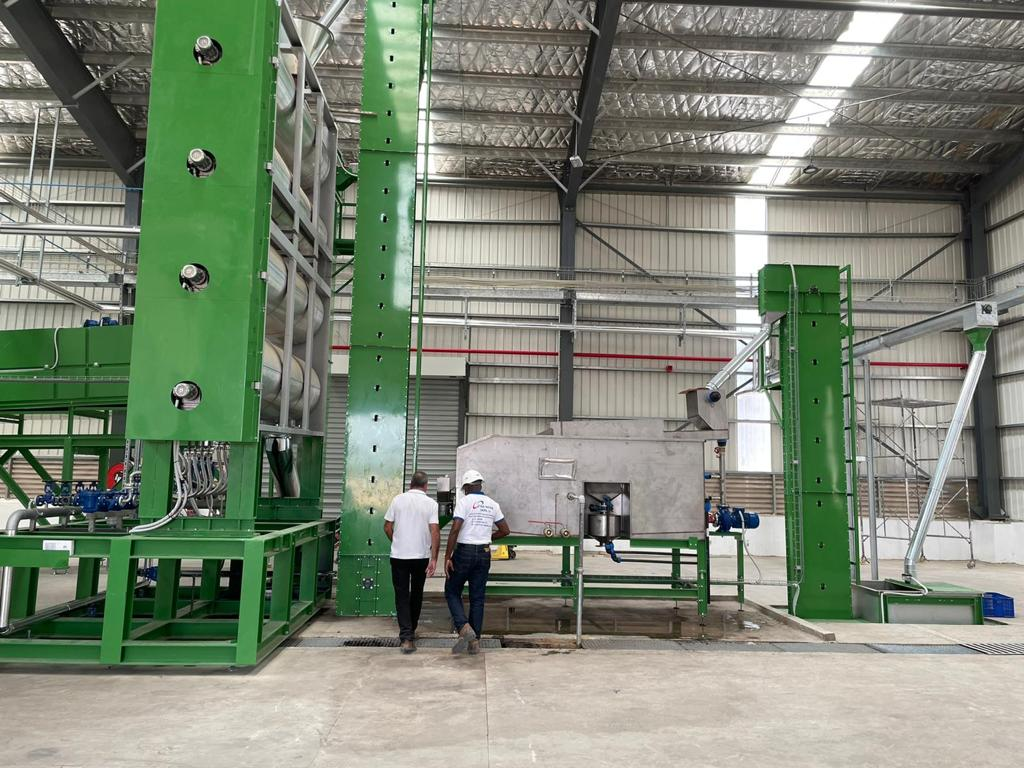
Dekel Agri-Vision has proposed raising equity capital to purchase additional cashew processing equipment for its Tiebissou operation in Côte d’Ivoire. The 22 October announcement follows the plant’s strongest recorded quarter, but the company has not confirmed financing terms, an equipment purchase or a timetable for commissioning new capacity.
The business intends to use net proceeds from a proposed fundraising both to acquire and install equipment and to fund the working capital needed for higher raw cashew nut throughput ahead of the 2027 processing season. No target fundraising amount was set in the initial announcement, and the company expressly cautioned that the transaction might not proceed.
Dekel has entered an AIM Capital Access Window, involving a voluntary temporary pause in trading of its shares while it seeks investors. The arrangement is intended to support price stability and access to a wider investor base during the financing process. It should not be confused with a confirmed capital raise or formal suspension caused by an operational failure.
The new financing proposal is separate from operating statistics published on 9 October. Those figures showed Tiebissou processing 2,130 tonnes of raw cashew nuts during the third quarter of 2026, up 28.6% from 1,656 tonnes a year earlier. The average rate was approximately 710 tonnes a month, exceeding the company’s earlier target of 700 tonnes.
The distinction matters because the plant has already improved its throughput without the uncommitted equipment investment. The proposed additional machinery is intended to build on that level ahead of a future season rather than explain the production result already achieved.
Cashew production reached 657 tonnes during the quarter, an increase of 71.1%, while sales totalled 679 tonnes, up 72.3%. The company reported its highest quarterly cashew production and sales volumes to date. Those measures are related but different: processed raw nuts are the incoming material, production measures resulting product output, and sales can include movement from finished inventory.
A large share of the quarterly work involved third-party raw nuts. Dekel processed 1,491 tonnes on behalf of outside customers to make a specialised unpeeled product and 639 tonnes of internally sourced raw nuts. The use of these different processing streams affected the composition of finished output and the extraction rate reported for the quarter.
The headline extraction rate reached 30.9%, compared with 23.2% a year earlier. However, the unpeeled product from third-party material has a higher recovery characteristic. Dekel reported a normalised extraction rate of 22.3% for its internally processed raw nuts, close to 22.4% in the equivalent quarter of 2025.
It would therefore be misleading to attribute the full increase in the headline recovery rate to more efficient machinery or a technical breakthrough. The product mix changed substantially. A meaningful comparison of equipment performance would need to account for the same processing route, raw material characteristics and definition of saleable output.
Industrial cashew processing involves multiple stages, potentially including conditioning, opening shells, separating kernels, drying, peeling, grading and packing. The precise sequence depends on whether a customer wants peeled kernels or an unpeeled product for subsequent operations. Dekel has not specified which parts of this sequence would receive new equipment if the fundraising succeeds.
Additional machinery may remove a bottleneck at one process stage, but the capacity of the complete plant depends on material supply and the performance of connected operations. Increasing one machine’s rated throughput does not establish an equivalent increase in finished product output if another stage remains constrained.
Working capital is also relevant. Dekel reported raw cashew purchases of 1,637 tonnes in Q3, including 1,491 tonnes of third-party material and 146 tonnes of internal purchases. Raw nut inventory decreased from 1,086 tonnes at the beginning of the period to 593 tonnes at the end. Financing more processing activity can require additional expenditure on incoming material and other operating costs before customer payments are received.
The company has not disclosed a revised annual capacity, specific equipment models or a committed procurement contract. The 2027 timetable is an intention linked to the season, subject to financing, delivery, installation and satisfactory operation of whatever machinery is selected.
Dekel also operates a palm oil mill at Ayenouan. Its separate third-quarter results showed crude palm oil production of 2,709 tonnes, broadly unchanged from a year earlier, while palm kernel oil production reached 551 tonnes. These figures provide group context, but the proposed October fundraising identifies the cashew plant as the intended beneficiary of the additional processing investment.
The board continues to consider other corporate financing possibilities, including investment at subsidiary level and expressions of interest concerning operating assets or the group. Dekel says the proposed share fundraising does not depend on any of those other transactions. None was announced as completed on 22 October.
Tiebissou’s latest operating figures provide an established basis for evaluating the proposal. The project will become a confirmed capacity expansion only when financing, equipment commitments and commissioning plans are disclosed. Until then, stronger current processing performance and the prospective investment need to remain separate facts.