IN Brief:
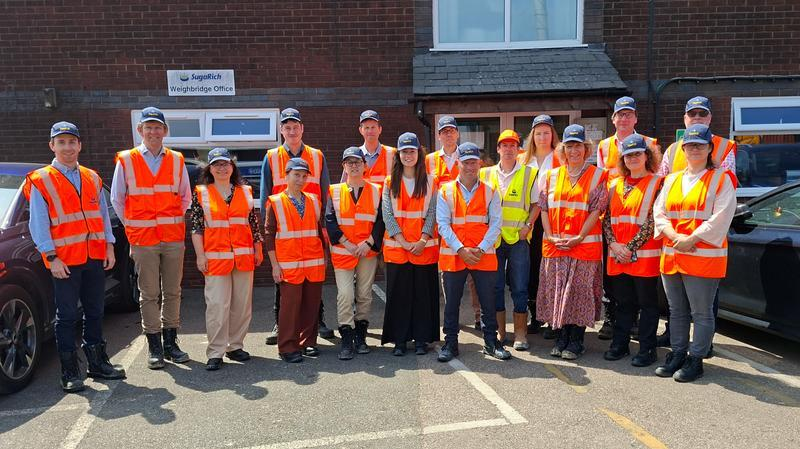
- European agricultural representatives visited SugaRich to examine former food processing for animal feed.
- Surplus bakery, confectionery, cereal, and snack materials are converted into controlled feed ingredients.
- Segregation, traceability, packaging removal, feed safety, and moisture control determine whether material can be recovered.
SugaRich has hosted European agricultural representatives to demonstrate how former food products are collected from manufacturers and converted into animal-feed ingredients.
The visit examined the controls required to recover unavoidable surpluses from bakery, confectionery, cereal, snack, and other food production without allowing unsuitable material or packaging to enter the feed chain.
Former foods are products originally manufactured for human consumption that can no longer be sold into their intended market but remain suitable for animal nutrition. Common streams include bread, biscuits, cakes, breakfast cereals, crisps, chocolate, sweets, dough, and other carbohydrate or fat-rich materials.
SugaRich operates processing and storage sites across the UK, handling substantial volumes of surplus food each year. Accepted materials are blended and processed into feed ingredients with controlled nutritional and physical characteristics.
The route provides an alternative to disposal, anaerobic digestion, or lower-value waste treatment when the material remains legally and technically suitable for feed. Nutritional value created through crops, ingredients, energy, water, and factory labour can then remain within the food-production system.
Not every surplus qualifies. Meat-containing products, chemical contamination, uncontrolled allergens, foreign bodies, cleaning residues, damaged packaging, or inadequate traceability may make a stream unsuitable.
Assessment must also occur before material is mixed with general waste. Once a clean former-food stream has been combined with excluded or unidentified material, recovery may no longer be possible.
Segregation begins on the factory floor
Clearly identified containers, documented handling procedures, and trained operators are required at the point where surplus arises. Product removed for incorrect weight, shape, colour, packaging damage, overproduction, or a cancelled order may remain usable, but its identity and reason for rejection must be known.
Traceability should connect the material to its product, recipe, batch, date, and manufacturing site. That information allows the former-food processor to assess ingredients and hazards while maintaining an audit trail back to the source.
Packaging removal is one of the most demanding technical stages. Surplus may arrive in film, cartons, wrappers, trays, or multipacks that must be separated without leaving fragments in the feed material.
Depackaging systems use combinations of size reduction, screening, air separation, magnets, and other controls. Performance depends heavily on the product and pack because sticky confectionery behaves differently from dry biscuits, while flexible film presents a different separation problem from rigid plastic or metal.
Visual inspection, magnets, sieving, and downstream testing provide further protection, yet no separation system removes the need for disciplined acceptance. Preventing unsuitable packs and foreign objects from entering remains more reliable than attempting to remove them after processing.
Moisture determines handling and storage as well. Bread and dough require different treatment from dry cereal or confectionery, while wet material may need rapid processing or drying to prevent microbial deterioration.
High-fat products alter both the nutritional value and physical behaviour of the final blend. Aggregating several streams allows the processor to reduce variation, but blending must be controlled against feed specifications rather than used to conceal inconsistent material.
Food surplus becomes a regulated ingredient
Former-food processing sits at a controlled boundary between food manufacturing and animal-feed production. Once the material changes status, it enters a regulatory system covering feed hygiene, traceability, composition, labelling, and prohibited materials.
Responsibility must remain clear across that transition. A food factory cannot assume that every edible-looking surplus is acceptable, while the feed processor needs complete ingredient and process information rather than a generic waste description.
Allergen content remains relevant because it affects employee exposure, cross-contamination, and processing arrangements. Composition data is also needed to calculate nutritional value and determine whether the finished ingredient suits the intended feed formulation.
Individual factories may produce intermittent or changing volumes, whereas feed mills require dependable specifications. Former-food processors aggregate and blend supply from several sites, converting variable inputs into a more consistent output.
That function extends beyond waste collection. Material must be approved, sampled, analysed, processed, stored, and supplied against nutritional and safety parameters in much the same way as other feed ingredients.
Collection records can also reveal where manufacturing surplus repeatedly arises. Overproduction, packaging-line rejects, startup losses, recipe changeovers, and inaccurate forecasting leave different patterns in the data.
Recovery should remain separate from prevention when factory performance is measured. An established feed route can preserve value from unavoidable material, but it should not make recurring overproduction or process loss appear acceptable.
Growing European interest reflects pressure to improve food-system resource efficiency while reducing reliance on imported feed materials. Former bakery and confectionery products can replace part of the cereal and energy content used in compound feed, although supply remains linked to surpluses from food production rather than agricultural demand.
The economics depend on transport, contamination risk, moisture, packaging content, and processing yield. A clean, concentrated stream from a large factory is easier to recover than small mixed quantities requiring extensive separation.
Closer planning between manufacturers and former-food processors can improve container choice, collection frequency, documentation, and segregation before the material leaves the site. Better upstream handling generally produces a safer and more valuable feed ingredient.
The SugaRich operation demonstrates that circular use relies on familiar industrial disciplines: defined inputs, controlled machinery, traceability, testing, and reliable specifications. Surplus becomes an ingredient only when those controls are maintained throughout collection and processing.