IN Brief:
- Rachel Kelley will leave Higgidy after more than five years to become managing director of KTC Edible Oils.
- Emma Stowers will lead Higgidy on an interim basis while remaining managing director of Ginsters.
- The changes connect two significant UK manufacturing categories: chilled savoury pastry and edible oils.
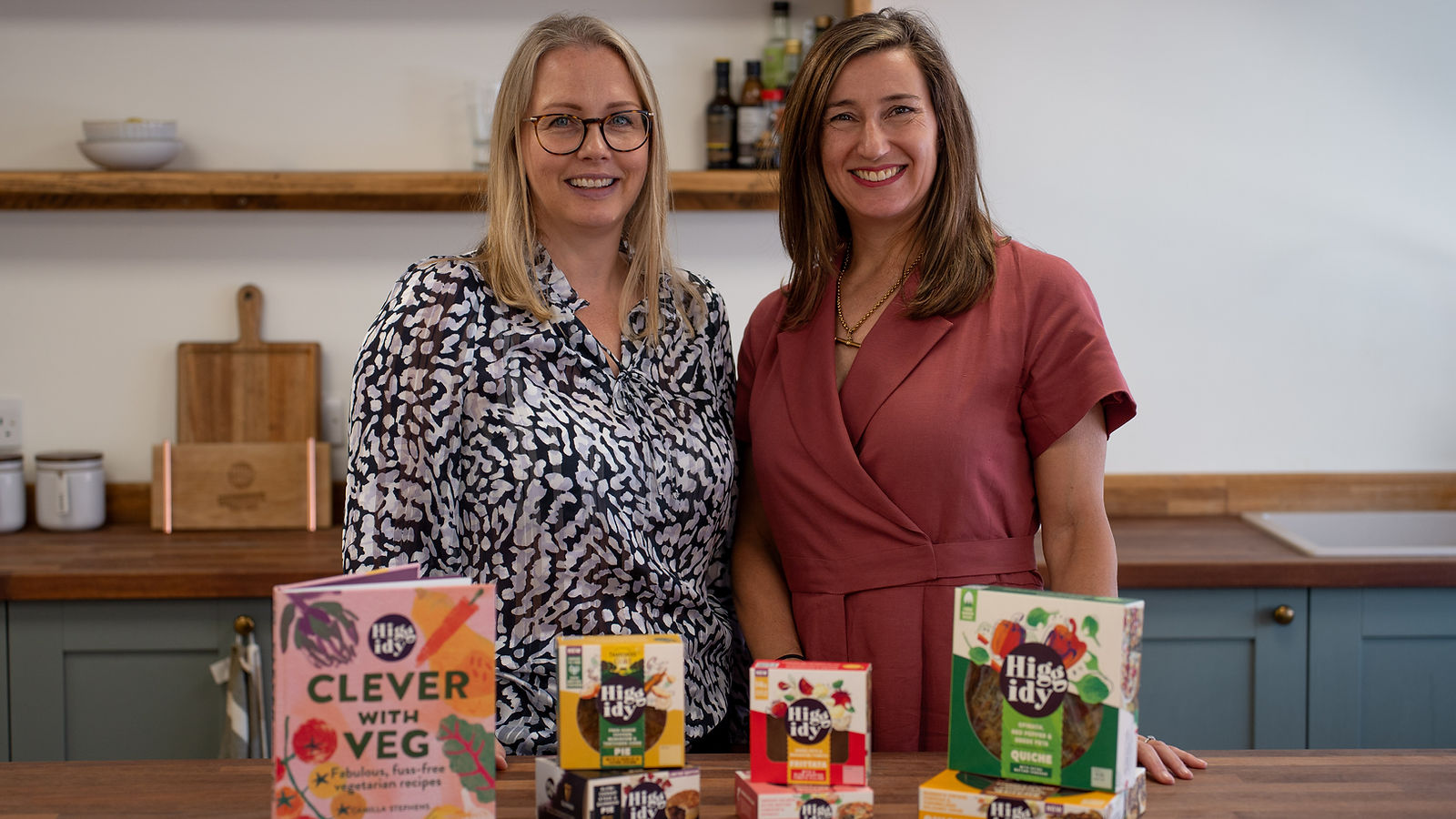
Higgidy chief executive Rachel Kelley is leaving the savoury pastry manufacturer to become managing director of KTC Edible Oils, while Ginsters managing director Emma Stowers will take interim responsibility for Higgidy.
Kelley will leave at the end of July after more than five years with the company. Her tenure included Higgidy’s transition into Samworth Brothers, wider retail distribution, and continued development across pies, quiches, rolls, and plant-based savoury products.
Higgidy has developed into a leading premium savoury pastry brand within a category shaped by short shelf life, chilled distribution, promotional demand, and frequent changes in retail forecasts. Production depends on close coordination between ingredient availability, baking capacity, labour, packing, and temperature-controlled logistics.
Stowers has led Ginsters since December 2025 after previously serving as its marketing director for four years. She will retain that position while overseeing Higgidy, creating a combined leadership remit across two branded chilled food businesses within Samworth Brothers.
Her work at Ginsters has included portfolio development around products such as the Pastry Toastie, alongside packaging and brand changes. The business continues to balance established high-volume lines with new formats intended to widen consumption occasions.
Kelley will move into a different part of the manufacturing chain at KTC Edible Oils, which supplies oils, fats, and associated products into retail, wholesale, foodservice, and food manufacturing. Raw material purchasing, refining, packing, and bulk distribution sit at the centre of the operation.
Finished food and ingredient operations converge
Oils and fats influence pastry texture, lamination, flavour release, shelf life, process behaviour, and cost. Changes in vegetable oil markets can move rapidly through recipe economics, even where the ingredient represents a relatively modest proportion of the finished product.
Edible oil businesses remain exposed to crop conditions, commodity prices, refining capacity, freight, currency, sustainability requirements, and regulatory change. Customers still expect consistent performance, requiring suppliers to absorb or manage volatility without allowing specifications to drift.
Kelley’s experience at Higgidy includes responsibility for a branded manufacturer dependent on reliable ingredient supply while responding to retailer range reviews and short innovation cycles. That background crosses directly into a supplier market where technical performance and continuity can be as important as the headline oil price.
Manufacturers increasingly expect ingredient partners to provide traceability, formulation support, packaging flexibility, and stable supply alongside commercial terms. Oils may be delivered in retail bottles, foodservice containers, intermediate bulk formats, or tankers, with each channel carrying different production and logistics requirements.
The interim structure at Higgidy creates a separate management challenge. Ginsters and Higgidy occupy related parts of the chilled savoury sector, although their recipes, production assets, formats, and brand positions remain distinct.
Shared leadership may support coordination across procurement, innovation, and commercial planning, but operating authority at site level must remain clear while Stowers holds both roles. Chilled manufacturing leaves limited room for delays in decisions affecting labour, raw materials, technical release, or customer service.
Savoury pastry production combines dough preparation, resting, forming, depositing, baking, cooling, packing, and refrigerated distribution across products carrying different fillings, allergens, weights, and shelf lives. Leadership changes cannot interrupt the routines used to control that complexity.
The transition also comes amid continued pressure from wages, energy, ingredients, and packaging. Premium positioning provides some protection from direct price competition, although retailers still expect promotional support, dependable availability, and regular product renewal.
Innovation can defend shelf space while increasing the number of ingredients, packaging reels, changeovers, cleaning cycles, and forecasts handled by the factory. Growth depends on keeping that additional complexity proportionate to the volume generated by each new line.
KTC has entered its own period of change following acquisition by Whitworths. Kelley will move from one integrated food group into another business adjusting to new ownership, with continuity of supply and manufacturing performance likely to shape the early stages of her tenure.
Higgidy, meanwhile, must maintain momentum while deciding its longer-term leadership structure. Both businesses will be judged less by the appointments themselves than by their ability to translate management changes into reliable production, disciplined investment, and consistent customer service.