IN Brief:
- Damm UK has acquired an undisclosed minority stake in Dalston’s Soda Co.
- Dalston’s production is expected to move to Damm’s Eagle Brewery in Bedford.
- The partnership combines an independent drinks range with established manufacturing, distribution, and development infrastructure.
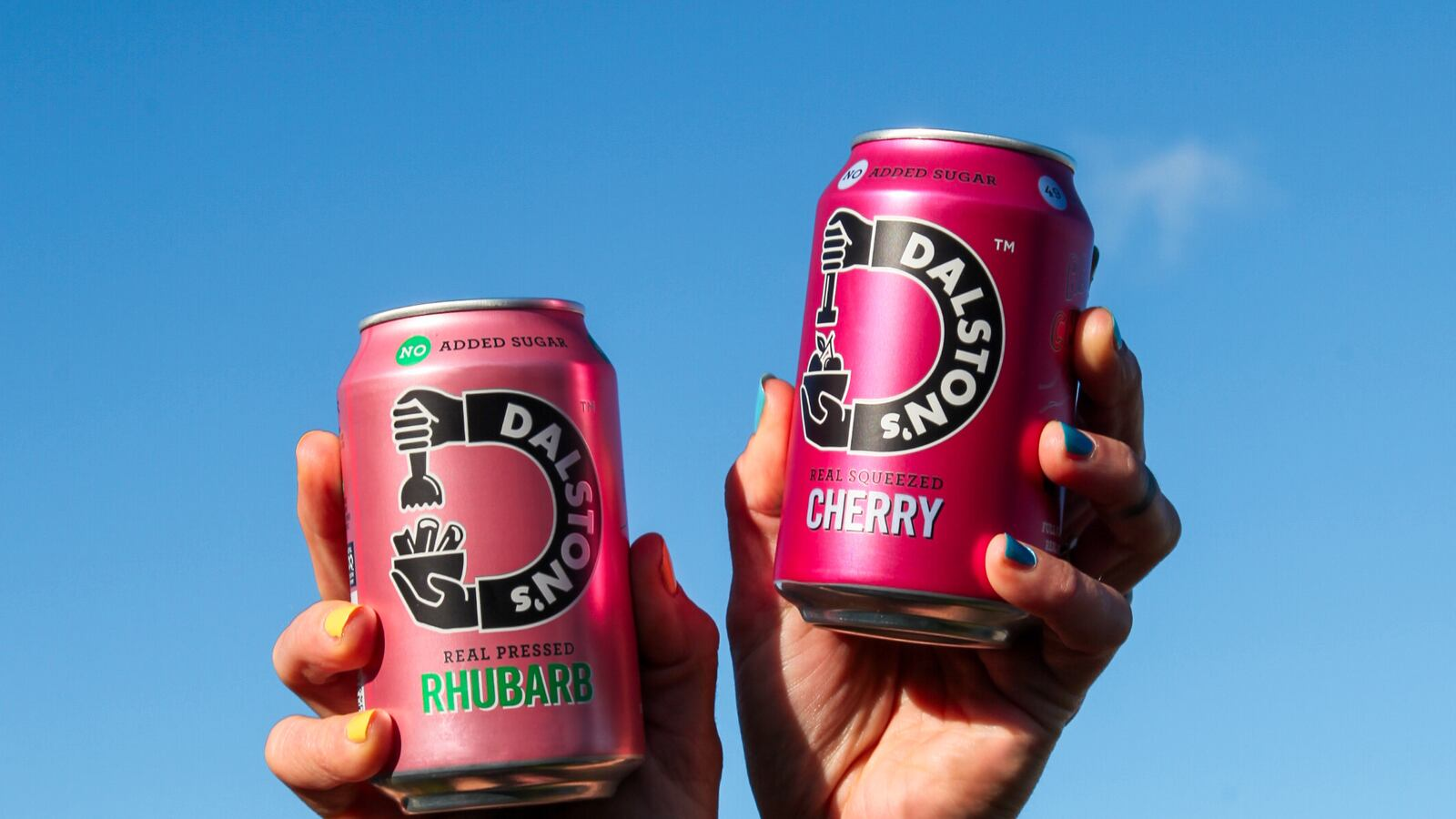
Damm has acquired an undisclosed minority stake in Dalston’s Soda Co and will support the London drinks business through production, distribution, innovation, and commercial infrastructure.
The investment is the first soft drinks partnership formed through Damm UK’s accelerator programme. Dalston’s production is expected eventually to move to Eagle Brewery in Bedford, creating a direct manufacturing relationship rather than a purely financial investment.
Founded in 2012, Dalston’s produces carbonated soft drinks based around fruit, botanicals, and lower sugar recipes. National retail distribution has increased the company’s production requirements, while further expansion demands more formal capacity, quality control, procurement, and logistics.
Access to an established brewery allows those capabilities to develop without Dalston’s financing a complete manufacturing site independently. Damm can also increase the range of products moving through its British infrastructure as it develops a broader beverage portfolio.
Moving a soft drinks range into a brewery requires detailed process work because beer and carbonated soft drinks use different ingredients, hygiene controls, recipes, and filling conditions. Syrups, fruit components, acids, sweeteners, flavours, and botanical extracts need suitable receiving, storage, preparation, and dosing arrangements.
Cleaning procedures must prevent flavour carryover between products, particularly where aromatic ingredients or strongly coloured concentrates share tanks and pipework. Production planning will need to group compatible drinks while preserving sufficient time for validated cleaning between campaigns.
Packaging compatibility will determine how quickly products can be transferred. Can and bottle sizes, ends, closures, labels, sleeves, date codes, cartons, trays, and pallet patterns must work with the brewery’s filling and packing equipment while retaining the formats already agreed with retailers.
Established plants give smaller brands scale
Recipe transfer begins in the development plant but must be proven at commercial batch size. Mixing intensity, ingredient order, carbonation, temperature, dissolved oxygen, filtration, and holding time can change when a formulation moves into larger tanks and faster filling equipment.
Independent drink makers frequently reach a point where growth depends on more structured process control. Momo’s expansion of kombucha fermentation capacity reflects the same transition, as higher volumes require equipment, laboratories, scheduling, and traceability that differ from those used during early development.
Damm gains an established soft drinks proposition without creating a brand from the beginning, while Dalston’s gains access to manufacturing and commercial resources. Preserving the qualities that built the brand will require clear authority over recipes, ingredients, and product development as industrial systems are introduced.
Procurement scale can improve access to cans, cartons, carbon dioxide, sweeteners, and common ingredients, although specialised fruit and botanical components may remain outside the brewery’s conventional supply base. Those materials will still need appropriate specifications, supplier approval, storage, and availability planning.
Forecasting becomes more demanding when a young brand enters a high volume plant. Brewery filling lines work most efficiently on longer campaigns, while soft drink orders can fluctuate with weather, promotions, new retail listings, and seasonal launches.
Campaign sizes must therefore balance efficiency against stock risk. Producing too little increases changeovers and cost, while producing too much consumes warehouse space and reduces remaining shelf life before the product reaches the customer.
Damm’s distribution network may provide as much value as the production assets. Drinks are heavy relative to their sales value, so depot location, pallet density, vehicle utilisation, and route planning have a significant effect on margin.
Combining beer and soft drinks on suitable deliveries can improve vehicle use, although differences between on trade, retail, and wholesale customers will limit the amount of consolidation possible. Stock control must also prevent slower products from occupying warehouse space needed for faster lines.
Eagle Brewery will need flexibility as its product mix expands. Additional recipes and pack formats increase cleaning, changeover, laboratory, and planning requirements, while engineering teams must support equipment that may be operating outside its original product range.
The minority structure allows Dalston’s to retain an independent identity while using Damm’s resources. Its effectiveness will depend on how clearly production responsibility, investment priorities, development decisions, and customer relationships are divided between the businesses.
Once manufacturing moves to Bedford, the partnership will be tested through line efficiency and product consistency rather than investment terms alone. Stable recipes, reliable packaging, controlled cleaning, and accurate forecasts will determine whether brewery scale can support growth without adding unnecessary stock or complexity.
Damm’s entry into soft drinks also broadens the role of Eagle Brewery within the UK business. The site can become a more varied beverage operation, provided its existing processes and schedules can absorb the additional category without weakening beer production.