IN Brief:
- Paranova will invest £20m over five years in fibre packaging capacity and production equipment.
- An initial £6m will establish a 98,000 sq ft Godmanchester facility opening in November 2026.
- A further £14m is planned for printing, finishing, and automated logistics equipment.
Paranova Print and Packaging will invest £20m over five years in a new Cambridgeshire production site, printing and finishing machinery, and automated logistics for fibre based food packaging.
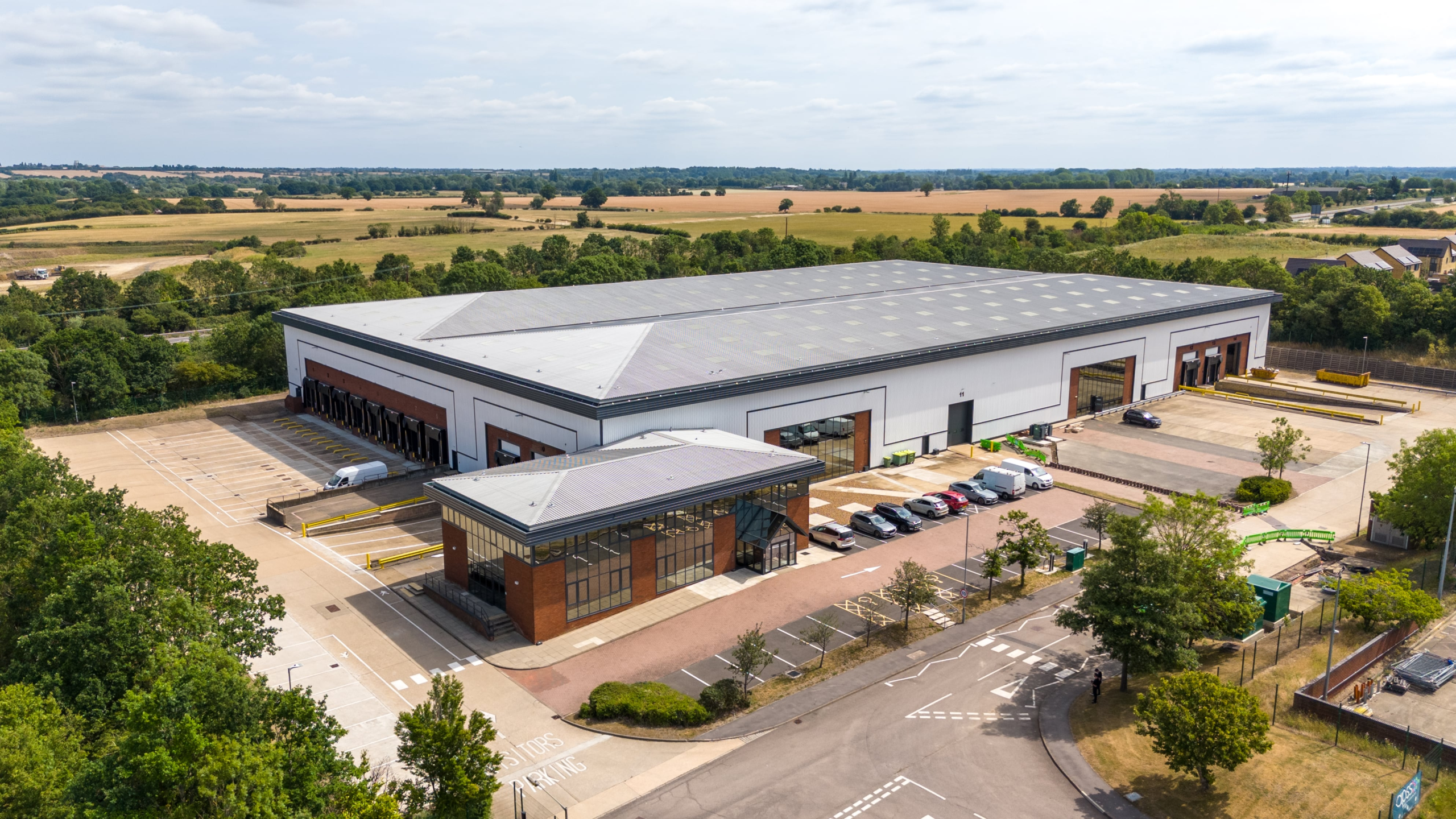
The programme begins with £6m for a purpose built 98,000 sq ft facility in Godmanchester, which is scheduled to become operational in November 2026. The site will add paperboard capacity for fresh produce, convenience food, and food to go packaging.
A further £14m is planned for printing, conversion, finishing, and internal handling systems. Koenig & Bauer press technology will form part of the initial machinery programme, while later stages will be sequenced as the company expands production within the building.
The Godmanchester development follows a £5m transformation of Paranova’s existing St Neots operation, where additional manufacturing, storage, and technical capacity entered service earlier in 2026. Rather than treating that project as a final expansion, the company is establishing a second platform for further growth.
Separate sites can give a converter more room to install equipment and reorganise production without restricting existing customer work. They can also provide resilience when maintenance, commissioning, utility failures, or local disruption affect one operation, although duplication of stock and support functions must be controlled carefully.
Fresh produce and convenience packs place demanding requirements on board materials. Trays, sleeves, cartons, and punnets must retain their shape through erecting, filling, sealing, lidding, chilling, distribution, and retail handling, while coatings and adhesives must withstand moisture, grease, and temperature changes.
Material development is consequently tied closely to machine performance. A lighter or more recyclable board structure may reduce packaging weight, but it still needs to feed, fold, glue, and seal at the speeds achieved by the format it replaces.
Capacity growth follows changing pack formats
Food producers and retailers continue to move selected applications from rigid plastic towards board and moulded fibre, although no single material can replace every pack. Fibre has gained ground where barrier requirements, product protection, and equipment compatibility can be achieved without excessive coatings or additional components.
The expanded St Neots operation increased Paranova’s immediate production and warehousing capability, while Godmanchester moves the business into a longer capital programme. The scale of the new site gives the company space to plan machinery around production flow rather than fitting each addition into a constrained legacy layout.
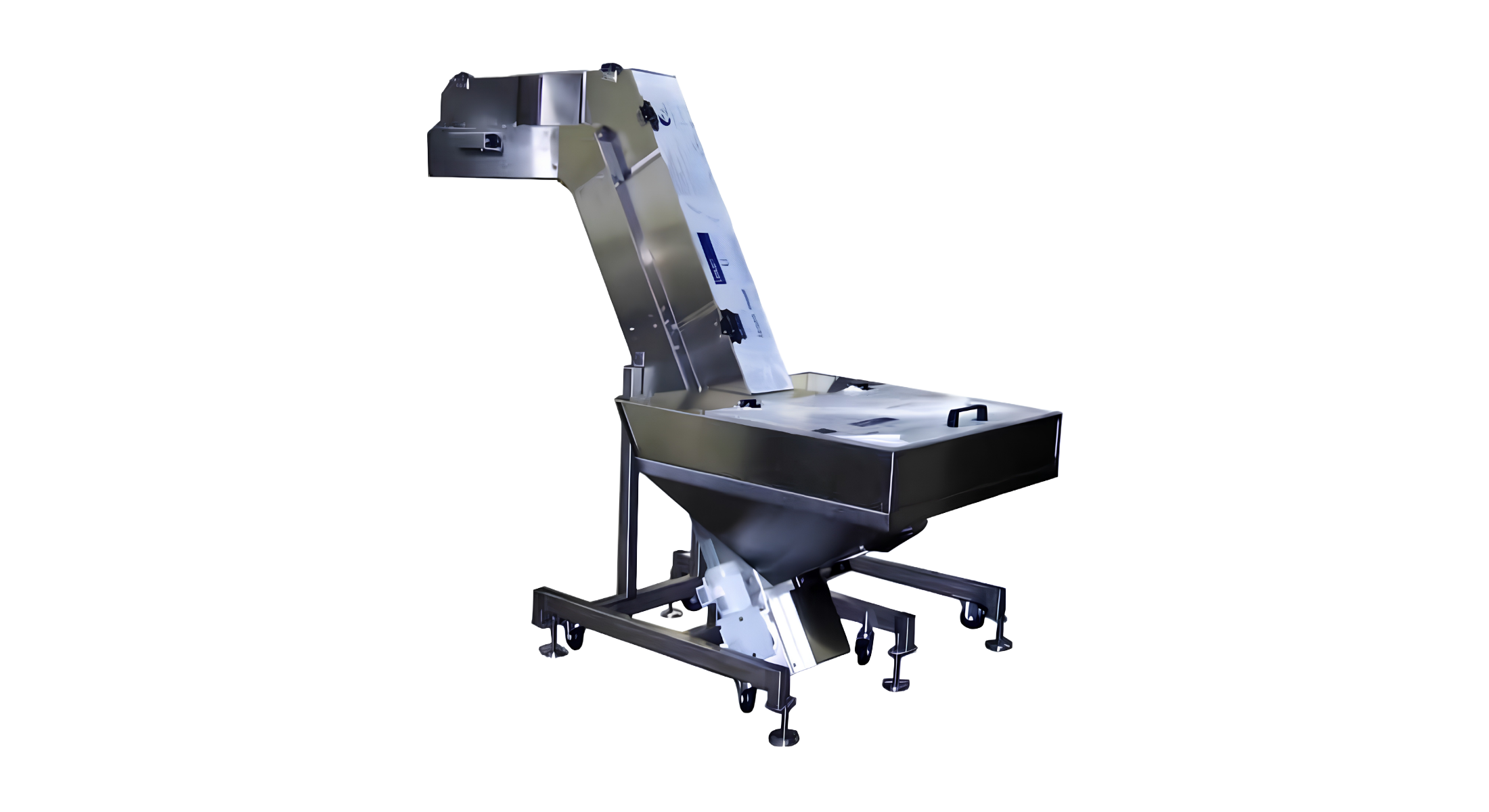
Automated logistics will influence how effectively that space is used. Printed and converted board passes through presses, drying or curing, die cutting, folding, gluing, inspection, palletisation, and storage, creating work in progress that must remain identifiable and protected throughout the route.
Automated movement can reduce manual travel and damage, but it depends on accurate scheduling and consistent load formats. A handling system designed around standard pallets, reels, or stacks becomes less efficient when frequent exceptions require manual intervention.
Printing capacity also needs to remain aligned with finishing. A high speed press can produce more sheets than downstream die cutting, gluing, or inspection can absorb, leaving work to accumulate between processes. The five year programme gives Paranova an opportunity to identify and address each constraint as volumes develop.
Food packaging portfolios are becoming more fragmented as retailers request promotional packs, regional ranges, language variants, and more frequent artwork changes. These jobs increase the number of plates, colour approvals, tooling sets, and changeovers passing through the plant, so effective capacity depends on set up time as well as headline machine speed.
Domestic converting capacity has gained strategic weight since pandemic disruption exposed the vulnerability of long packaging supply chains. UK production cannot remove exposure to internationally traded pulp, board, inks, coatings, and chemicals, but it can shorten conversion lead times and provide greater control over finished stock.
Investment in equipment will need to be matched by recruitment and training. Modern presses and automated handling systems require operators, maintenance engineers, colour specialists, planners, and technicians able to work across mechanical equipment and production software.
Commissioning several connected systems also creates a demanding transition period. New equipment must achieve expected speed and quality while operators learn unfamiliar controls, maintenance teams establish routines, and customers approve packs produced at the new site.
The November opening gives Paranova a relatively short route from announcement to initial operation. Subsequent investment will determine how closely printing, finishing, warehousing, and despatch are integrated as activity builds.
Once the full programme is established, the Godmanchester site will provide a larger domestic base for fibre formats entering fresh produce and convenience markets. Its performance will depend on balanced machinery, controlled material flow, reliable staffing, and pack designs that remain compatible with customers’ filling lines.