IN Brief:
- Carlsberg will become PepsiCo’s bottler in Azerbaijan from 1 January 2027.
- The Xirdalan brewery will be expanded to manufacture PepsiCo’s soft drink portfolio.
- The agreement takes Carlsberg’s PepsiCo bottling network to 15 markets and is expected to double its Azerbaijan business.
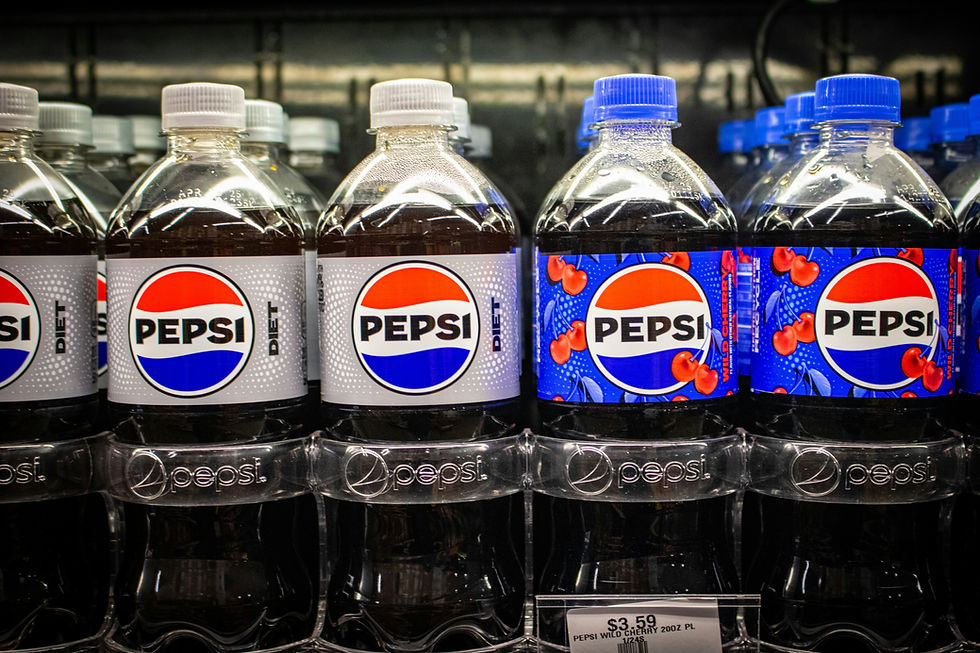
Carlsberg Group will produce, sell, and distribute PepsiCo soft drinks in Azerbaijan from 1 January 2027, extending the companies’ bottling partnership to 15 markets.
The agreement will bring PepsiCo production into Carlsberg’s Xirdalan brewery, which is due to be expanded for the additional portfolio. Carlsberg expects the arrangement to double the scale of its business in Azerbaijan.
Existing beer production, commercial operations, warehousing, and distribution provide the foundations for the move, although the new portfolio will require dedicated capability across ingredient preparation, blending, carbonation, filling, quality control, and packaging.
The partnership already covers the UK, Ireland, Norway, Sweden, Switzerland, Kazakhstan, Kyrgyzstan, Laos, and Cambodia. Denmark, Finland, Estonia, Latvia, and Lithuania are scheduled to join from 2029, while Azerbaijan will enter the network two years earlier.
Carlsberg’s local sales and distribution operation gives PepsiCo an established route into retail, hospitality, wholesale, and convenience channels. Local production can shorten replenishment cycles and reduce the volume of finished drinks moving through international freight networks.
Although the brewery provides an existing industrial base, soft drink production requires a different process sequence from beer. Concentrate handling, syrup preparation, sweetener dosing, water treatment, carbonation, and microbiological controls will need to operate alongside brewing without creating conflicts in utilities, storage, scheduling, or hygiene.
A broader beverage factory
Large breweries are increasingly being developed as multiproduct beverage sites because many of the supporting assets already exist. Treated water, high speed filling, laboratories, compressed air, refrigeration, warehouses, and established engineering teams can support additional categories when capacity and layout allow.
Those shared assets still have to be matched to the characteristics of the new drinks. Carbonated soft drinks, reduced sugar recipes, different container sizes, multipacks, and promotional formats can greatly increase the number of stock keeping units and changeovers passing through a site.
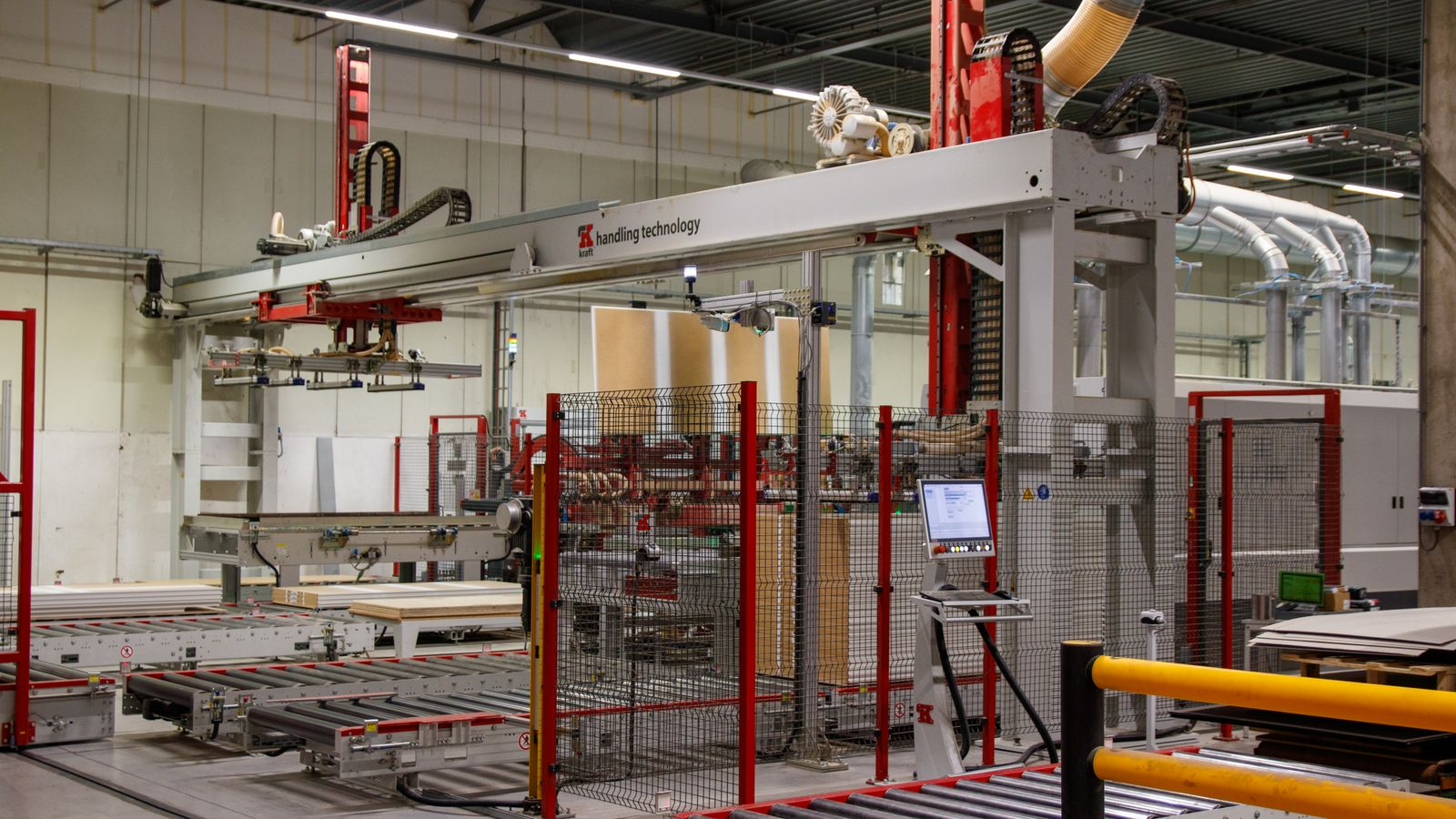
Production planning will therefore extend beyond deciding when each beverage reaches the filler. Syrup rooms, ingredient storage, bottle or can supply, labels, closures, case packing, palletising, and finished goods dispatch must support the same campaign sequence.
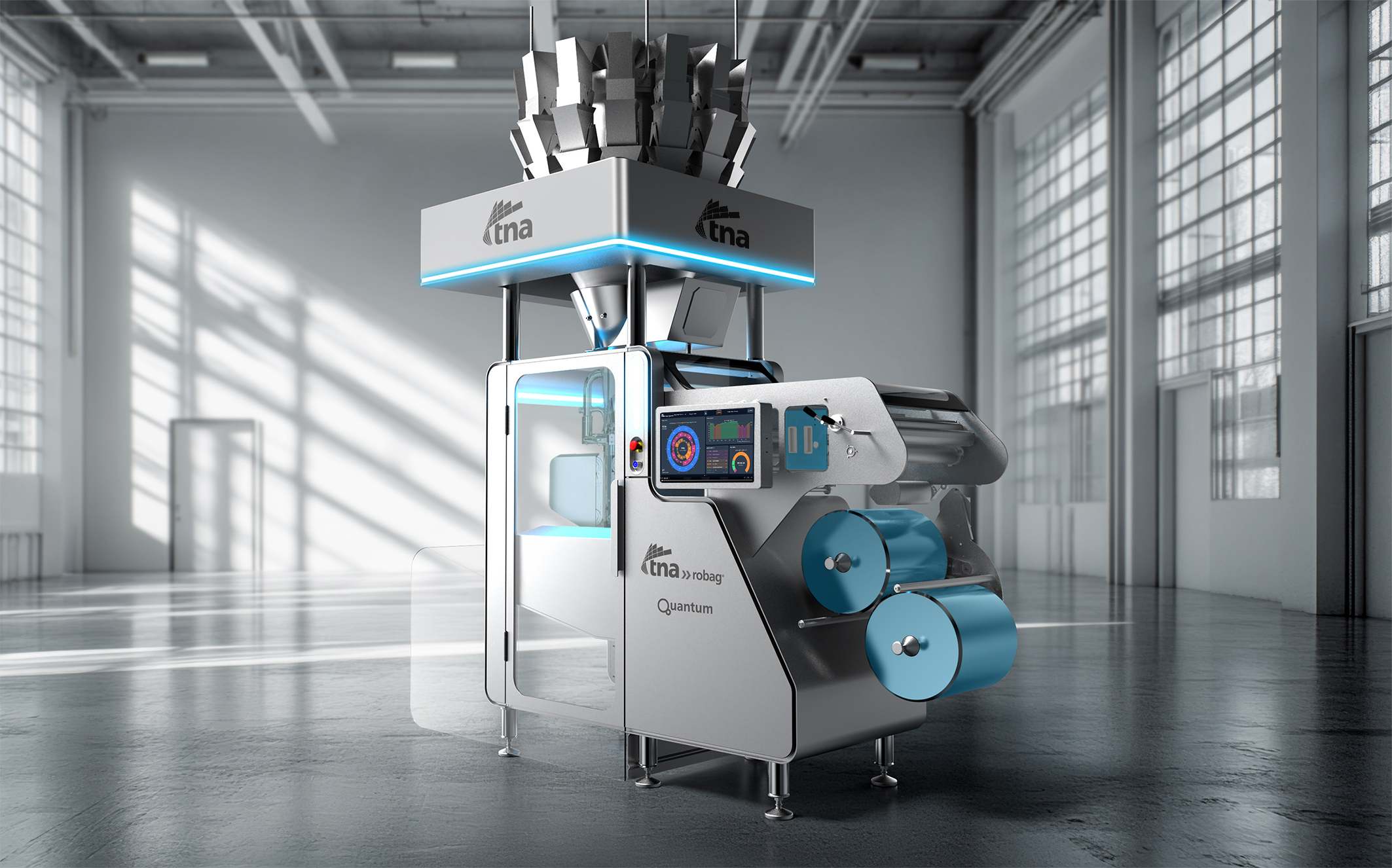
A high speed filler cannot deliver its rated capacity when secondary packaging or warehouse removal repeatedly stops the line. Accumulation, conveyor control, planned maintenance, and effective fault recovery will determine how much of the nominal equipment rate becomes saleable output.
The agreement resembles the operating model behind Supreme’s five year manufacturing and distribution arrangement with Carabao, under which local filling capability and an existing retail network are being combined within one commercial operation.
Carlsberg has moved further into soft drinks through its wider portfolio and bottling relationships, reducing its dependence on beer alone. Using existing sites for additional beverage categories can raise asset utilisation and spread distribution costs, provided the extra complexity does not weaken line efficiency.
Commissioning without disrupting beer output
The Xirdalan expansion must be installed and commissioned while the brewery continues serving its established beer customers. Construction access, utilities connections, equipment delivery, software integration, and hygiene validation will have to be sequenced around live production.
Recipe and product identity controls will become more complicated once a larger brand portfolio enters the site. Operators need clear systems for concentrate selection, dosing, code control, label verification, cleanout, and release testing as campaigns move between products.
Packaging supply will also become more diverse. Preforms, bottles, cans, closures, labels, shrink film, trays, cartons, and pallet materials may come from different suppliers and carry different minimum order quantities, lead times, and quality tolerances.
Local bottling reduces dependence on imported finished drinks, although the resilience gain depends on the sourcing of those inputs. Concentrates and specialised packaging materials may continue travelling through international supply chains, leaving procurement exposed to border delays, freight disruption, and currency movements.
Water and energy demand will rise as the product portfolio expands. The brewery will need adequate treatment, cleaning, refrigeration, compressed air, and wastewater capacity, while any planned efficiency improvements must work across both brewing and soft drink operations.
Carlsberg has until January 2027 to complete the expansion, qualify the manufacturing process, establish PepsiCo quality systems, train employees, and build stock for the transfer. Stable output during the transition will depend on the less visible elements of the project — utilities, materials, controls, and warehouse flow — keeping pace with the new filling capacity.