IN Brief:
- More than 100 organisations have called for a UK Good Food Bill.
- Signatories include major retailers, manufacturers, wholesalers, farming bodies, investors, charities, and health organisations.
- The proposed legislation would introduce binding targets, five year action plans, and independent oversight of food policy.
The Food Foundation and more than 100 organisations have called for a Good Food Bill that would place UK food security, nutrition, and resilience within a statutory long term framework.
Signatories include Tesco, Sainsbury’s, Aldi, Waitrose, Co-op, Booths, Danone, Greencore, Samworth Brothers, Bidfood, farming organisations, investors, health bodies, and environmental groups. The participating retailers represent more than 64% of the grocery market.
The proposed legislation would establish binding targets covering childhood obesity, fruit and vegetable consumption, the share grown in Britain, and household food insecurity. Government would also publish five year action plans setting out how the targets would be delivered.
A national reference diet would provide a common basis for policy, while ministers would be required to consider food within decisions on health, education, farming, planning, the environment, and trade. Independent annual oversight would monitor whether successive governments remained on course.
Local authorities would receive a clearer duty to consider food within their economic and public health work. That could bring planning, procurement, food access, local production, and infrastructure into a more connected decision process.
The coalition has linked its proposals to repeated disruption across the UK food system. Extreme weather, international conflict, fertiliser costs, biodiversity loss, food inflation, and declining farm viability have exposed weaknesses that move quickly into manufacturing and retail.
Policy reaches factory investment
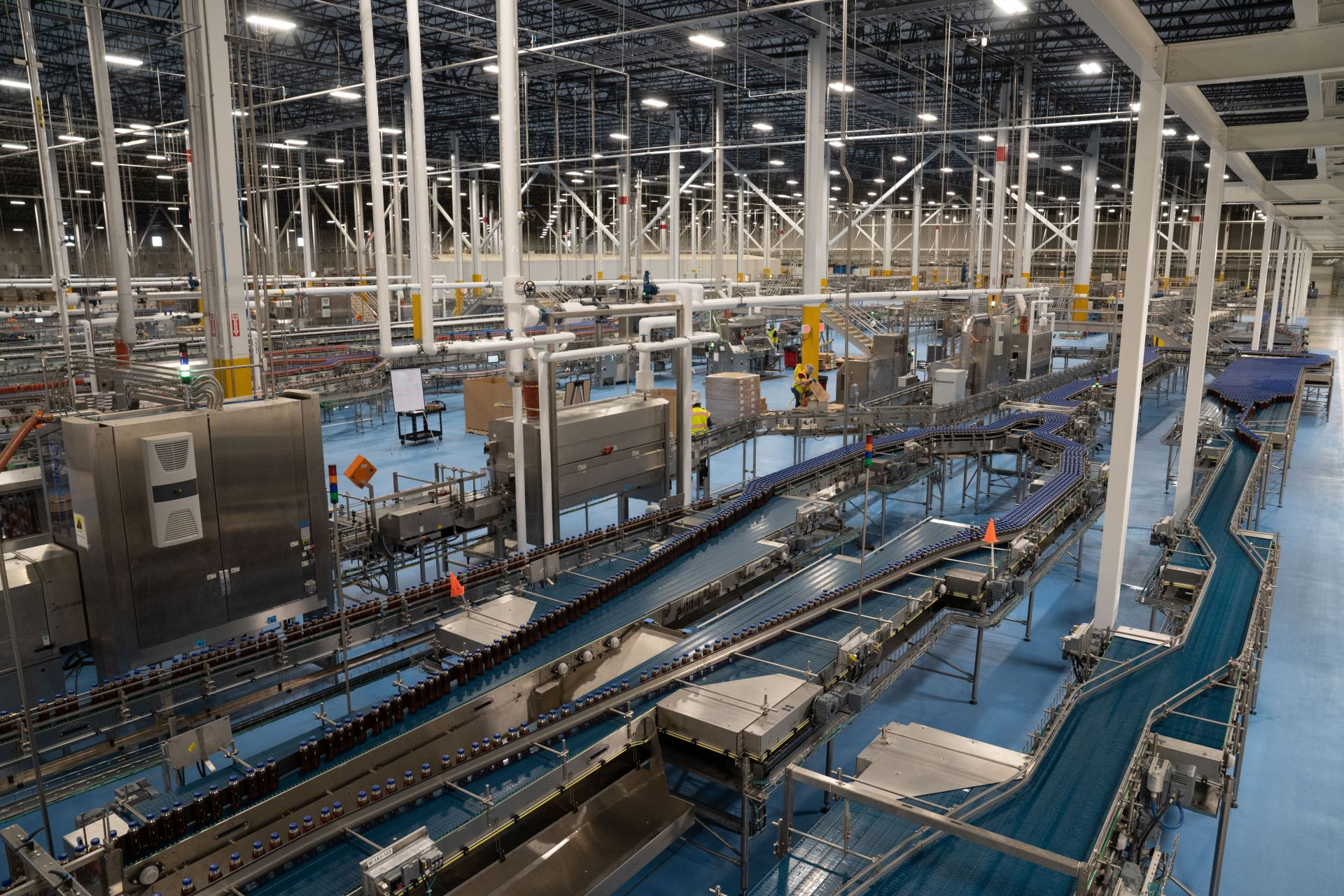
Targets for healthier diets or greater domestic production eventually require physical processing capacity. Increased fruit and vegetable supply needs grading, washing, cutting, freezing, canning, juicing, packing, cold storage, and routes for handling waste.
Growth in British pulses or cereals may similarly require cleaning, milling, fractionation, extrusion, baking, and ingredient development before crops can enter mainstream products. Agricultural output alone does not create a finished food supply.
Manufacturers operate across policy areas that are often managed separately. Health rules influence formulation and promotion, agricultural policy shapes raw materials, packaging regulation changes equipment and materials, while planning and energy policy determine whether factories can expand economically.
A statutory framework could provide greater consistency across those decisions, although delivery would depend on realistic targets, funding, data definitions, and a clear division of responsibility. Poorly aligned requirements could increase reporting while leaving investment barriers unchanged.
Longer commercial commitments are already appearing within sourcing. Aldi’s extended agreements with British suppliers show how multi year purchasing can support farm and processor planning where future volume is sufficiently visible.
Such arrangements cannot remove crop failure, disease, or international disruption, but they can provide the confidence needed for growers and manufacturers to invest in equipment, storage, water, energy, and employee capability.
Security depends on operating economics
Food security is frequently measured through total national availability, yet resilience also depends on the ability to convert, preserve, package, store, and distribute raw materials. A country may produce more crops while remaining dependent on imported finished goods when domestic processing assets are absent.
Factories need viable economics if that capacity is to remain available. Energy, labour, finance, business rates, wastewater treatment, transport, packaging compliance, and retailer negotiations determine whether plants continue investing or gradually lose competitiveness.
Binding health and production targets may also create competing requirements. Reformulation can change ingredient demand, processing behaviour, shelf life, flavour, packaging, and cost, while domestic sourcing targets may restrict the ability to substitute when harvest conditions deteriorate.
Independent oversight could expose where policy is failing, although businesses will be wary of duplicated reporting. A useful framework would draw on compatible commercial, agricultural, health, and environmental data rather than creating separate returns for every objective.
The breadth of signatories gives the proposal a wider base than a conventional farming or public health campaign. Retailers, manufacturers, wholesalers, growers, investors, and charities do not hold identical interests, but they have aligned around longer planning horizons and clearer accountability.
Government has not committed to the full legislative proposal, leaving the eventual form of any Good Food Bill open. The campaign has nevertheless moved food security further into national infrastructure policy, where farms, factories, warehouses, ports, energy, water, and commercial contracts determine how well the system absorbs disruption.