IN Brief:
- First-half capital expenditure rose €100.1 million to €378.9 million as organic volume increased 7.5%.
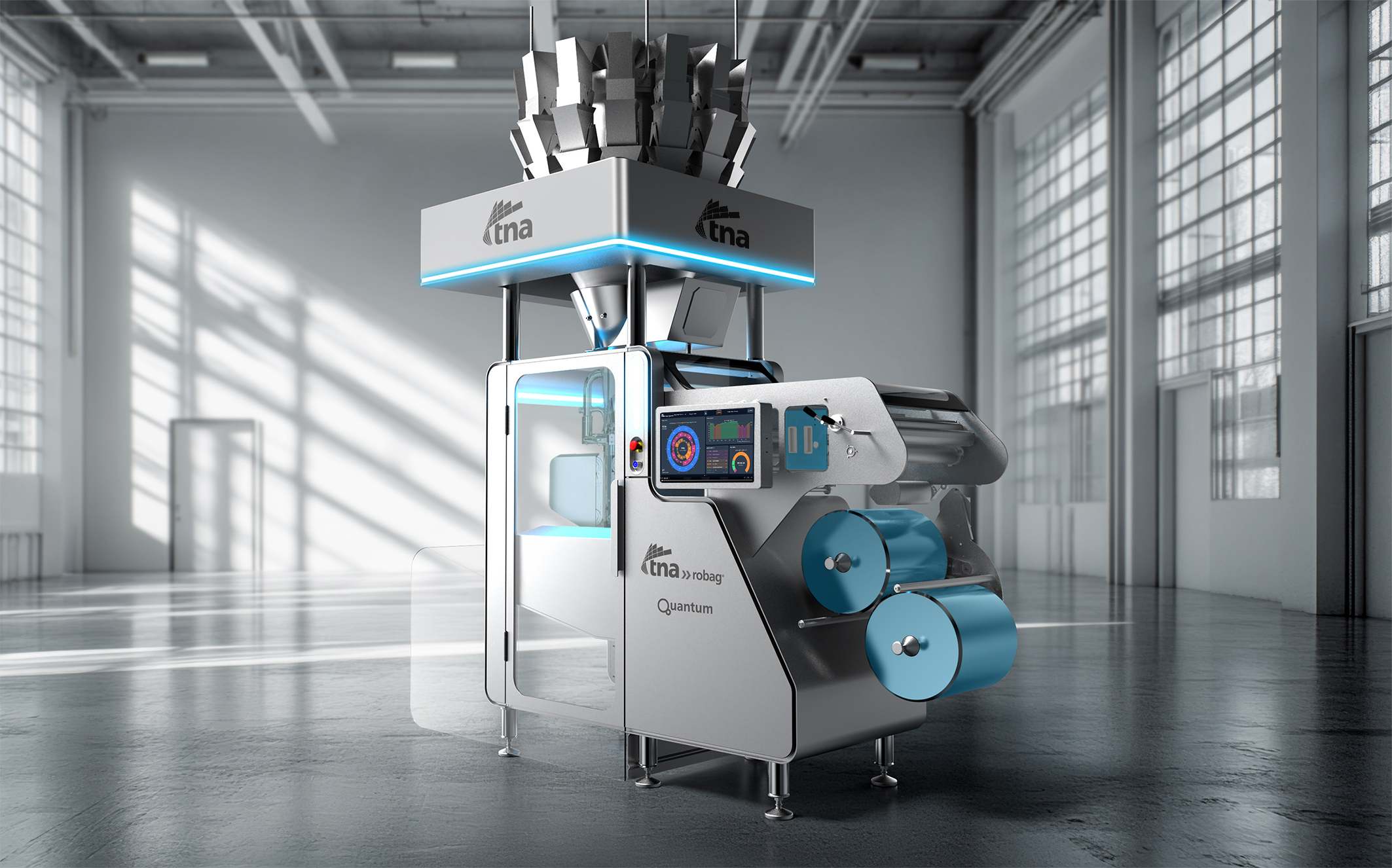
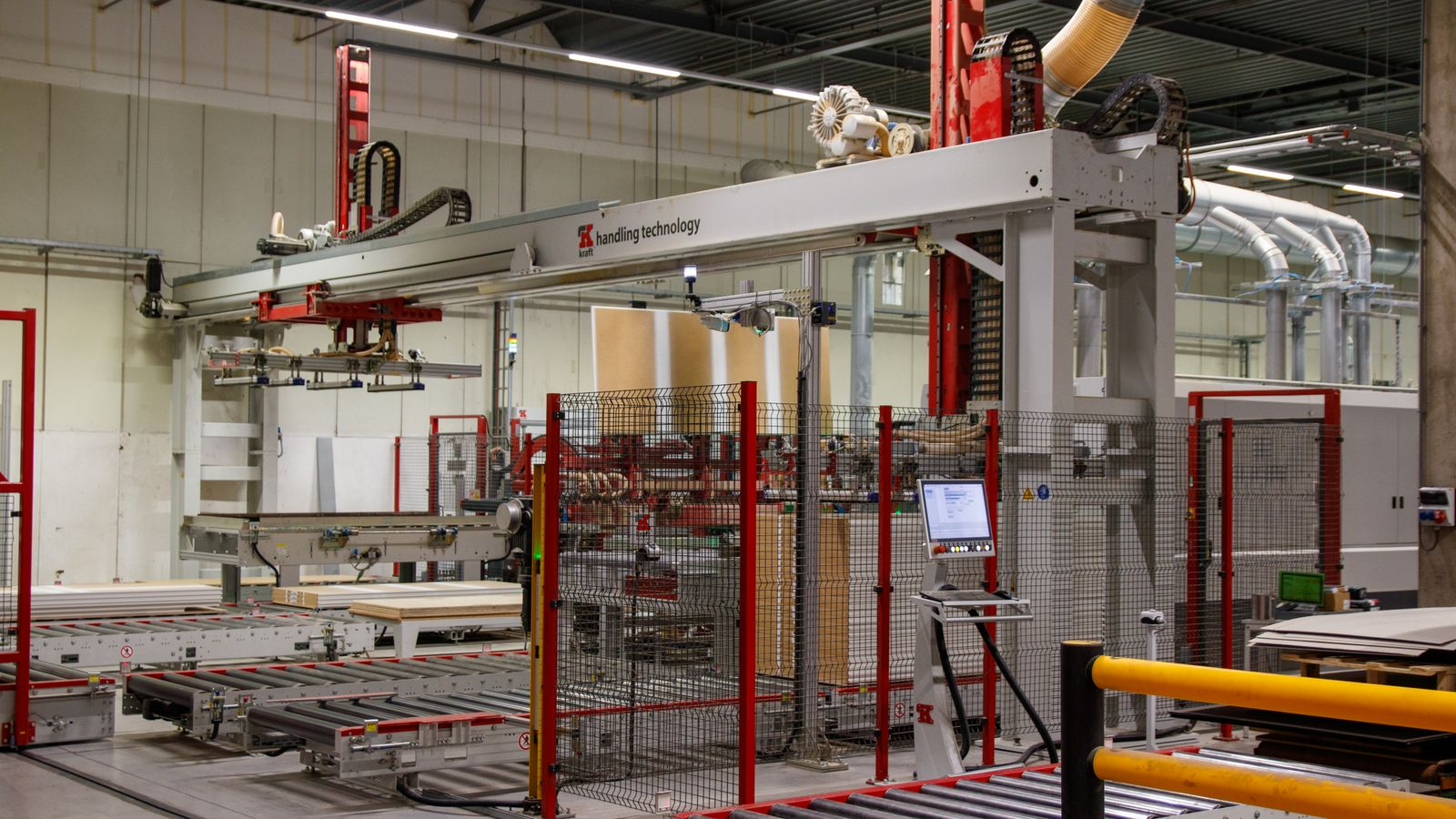
- Coca-Cola HBC invested in production capacity, supply chain automation, digital systems, and energy-efficient coolers.
- Higher capital expenditure reduced free cash flow by 11.8% despite stronger operating profit.
Coca-Cola HBC increased capital expenditure by €100.1 million during the first half of 2026 as higher beverage volumes supported further spending on production capacity, supply chain automation, digital and data systems, and energy-efficient cooling equipment. Capital expenditure reached €378.9 million for the six months ended 3 July, equivalent to 6.1% of revenue.
The bottler reported organic volume growth of 7.5%, with sparkling drinks up 6.4% and energy products rising 26.1%. First-quarter comparisons benefited from four additional selling days, although underlying second-quarter volume accelerated to 5.8%. Reported net sales revenue increased 10.8% to €6.23 billion, while organic revenue grew 9.6%.
Comparable operating profit rose 15.2% organically and 17% on a reported basis to €760.1 million. Comparable gross profit margin improved by 110 basis points to 37.8%, while comparable EBIT margin increased by 60 basis points to 12.2%. Operating expenses rose as a share of revenue, partly reflecting marketing around major sporting events and product launches.
Free cash flow shows the immediate cost of the investment programme. It fell 11.8% to €215.7 million because higher capital expenditure more than offset stronger operating cash generation. Spending remained below Coca-Cola HBC’s 6.5% to 7.5% capex target range because projects are being phased across the year, indicating that further expenditure is expected in the second half.
Production equipment and facilities accounted for 63% of first-half capital expenditure, compared with 50% in the same period last year. The programme also includes ongoing automation across the supply chain, digital and data solutions, and more efficient coolers in the market. A new Digital Hub in Egypt is intended to support group-wide transformation.
The operating test for those systems will be whether they improve forecasting, line scheduling, asset utilisation, promotion planning, and inventory accuracy. Digital investment can coordinate a large bottling network, but it can also add another reporting layer if plant, commercial, and distribution data remain inconsistent or arrive too late for decisions.
Packaging mix is changing alongside volume. Single-serve mix increased by 110 basis points during the half year. New formats included a 500ml PET pack for Trademark Coca-Cola in Egypt, 500ml cans across three markets, a 250ml Fuze Tea pack across eight markets, 200ml cans in the Czech Republic and Slovakia, and 250ml cans in Romania.
Smaller packs can support price-point management and higher revenue per case, but they also increase format complexity across filling, packing, and warehousing. A portfolio expanding through energy drinks, flavoured sparkling products, sports drinks, coffee, and multiple single-serve sizes creates more stock-keeping units and shorter campaigns. Automation needs to absorb that complexity rather than merely increase maximum line speed.
The group’s segment performance was broad. Established markets delivered 6.2% organic revenue growth, developing markets increased 9%, and emerging markets rose 12%. Coffee volume in the out-of-home channel increased 24.5%, with more than 1,300 new outlets added, while energy maintained strong double-digit growth across the business.
Those growth rates strengthen the case for selective capacity investment, but they also raise the cost of poorly sequenced projects. New equipment must reach expected speeds, quality standards, and maintenance availability before planners can reduce contingency elsewhere in the network. A capacity programme that arrives late or creates extended commissioning losses can restrict the very growth it was intended to support.
Coca-Cola HBC has upgraded its full-year expectations, forecasting organic revenue growth around the top of its 6% to 7% range and organic EBIT growth of 8% to 10%. The group continues to describe the economic and geopolitical environment as challenging and unpredictable, but its current capital programme assumes that production and network projects should continue rather than wait for calmer conditions.
The company is also preparing for a larger manufacturing and distribution footprint through its proposed acquisition of Coca-Cola Beverages Africa. Antitrust clearance had been secured in four of six jurisdictions by the reporting date, and completion remains targeted for the second half of 2026. Integration would add another layer to capital allocation, systems standardisation, and network planning.
The half-year figures show investment rising alongside volume rather than following it at a distance. Coca-Cola HBC is spending more because it is moving more product, widening pack choice, and coordinating a more complex operating network. The return will depend on whether new capacity, automation, and data systems simplify execution rather than hard-wire additional complexity into the plants.