IN Brief:
- Project Inter8 replaced disconnected legacy applications with eight integrations built around Syspro and Codeless middleware.
- Ingredients receive barcodes on arrival, supporting traceability through picking, production, packaging, and store delivery.
- The programme moved systems into the cloud and supported Cyber Essentials Plus certification.
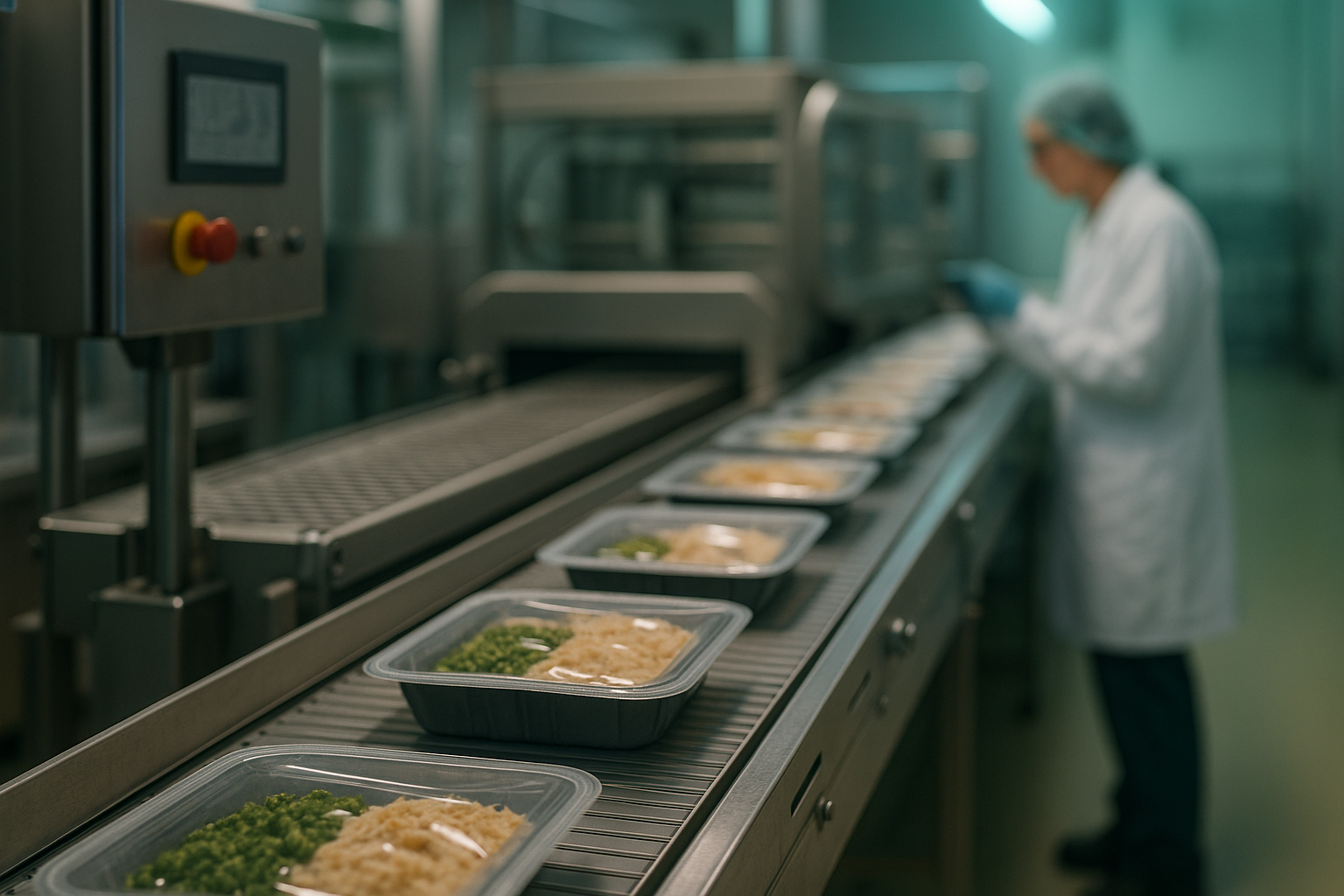
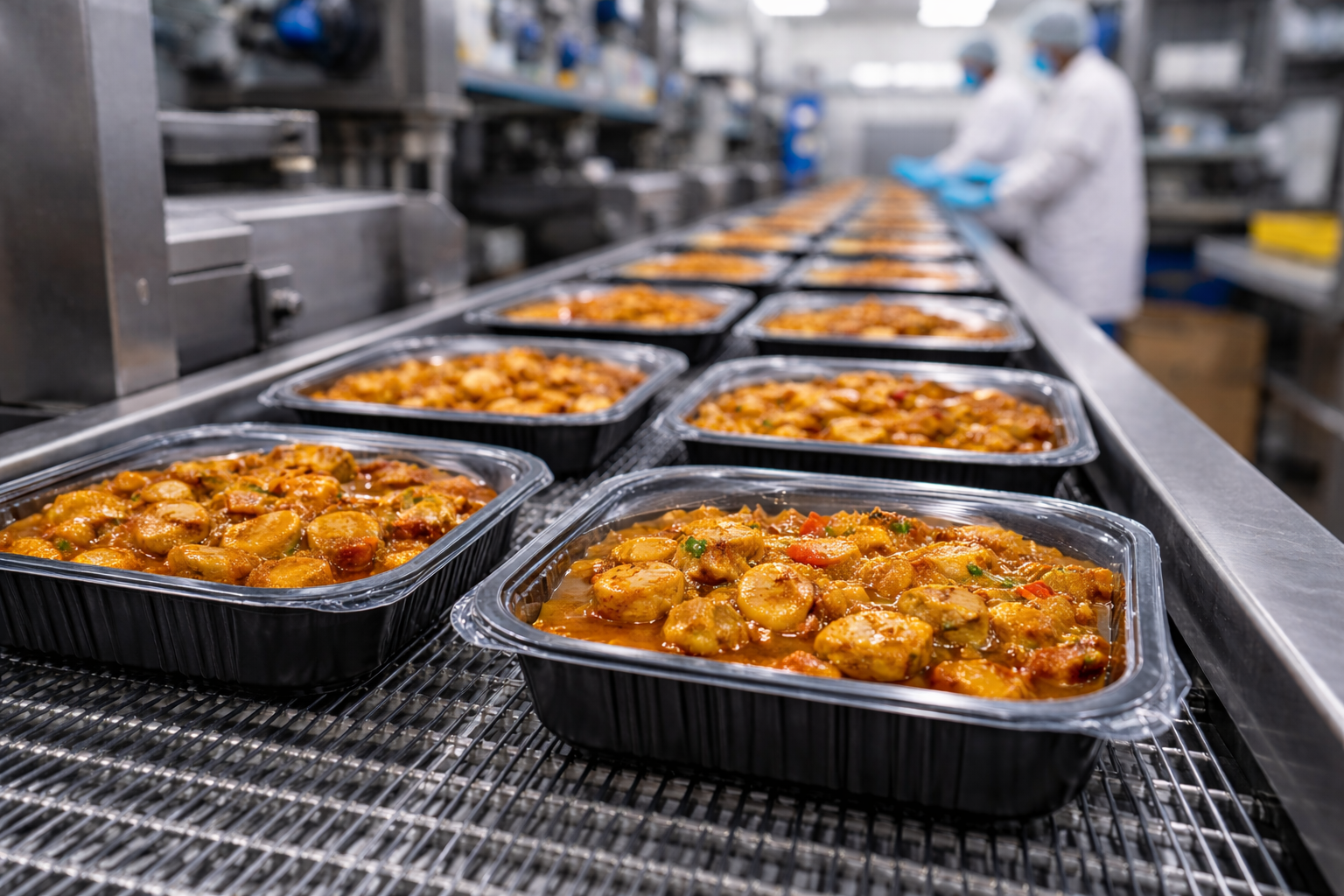
Charlie Bigham’s has completed a factory systems overhaul connecting ingredient receipt, traceability, production, packaging, forecasting, invoicing, and cybersecurity. Project Inter8 was developed after ageing applications and their bolt-on connections caused repeated outages, leaving the ready-meal manufacturer’s IT team occupied with restoring services rather than supporting production improvements.
The project was not a single software replacement. Charlie Bigham’s redesigned how eight systems exchanged information, using Syspro as the central enterprise resource planning environment and Codeless as the middleware connecting specialist applications. The structure is intended to reduce the number of individual point-to-point interfaces requiring separate maintenance whenever one system is changed or updated.
Material traceability begins when an ingredient arrives at the factory. The item is receipted into Syspro, and a barcode label is generated automatically. That identifier follows the material through picking, production, packaging, and onward distribution, allowing the manufacturer to trace ingredients to the store supplied with the resulting finished product.
The integration also connects customer demand with manufacturing and finance. Orders enter Syspro, production is recorded against them, and dispatch activity triggers invoicing. The company reports that invoices can consequently be issued daily, reducing the manual transfers and corrections associated with the previous collection of applications.
Forecast planning has also been brought into the connected environment. Ready-meal production combines short shelf lives, retailer-specific orders, multiple recipes, daily demand changes, and ingredients with different lead times. Forecasts are of limited value when planning, stock, production, and dispatch systems carry conflicting versions of the same information.
Project Inter8 gives planners a more consistent view of those flows, although system integration does not remove the need for operational judgement. Demand can still change after ingredients have been ordered, and forecasts remain vulnerable to retailer promotions, weather, substitutions, supplier delays, and unexpected production losses. The benefit is earlier visibility of the mismatch rather than a promise that the mismatch will disappear.
Charlie Bigham’s has linked the systems work to reduced waste and reports that it has eliminated edible waste across its operation. Connected data cannot deliver that result independently, but it can help planners identify excess ingredients, approaching shelf-life limits, and production quantities that no longer match current orders before material becomes unusable.
The project addresses a familiar weakness in established food factories. Systems are often added individually as the business grows, with each application solving a particular requirement in planning, quality, production, warehousing, or finance. Over time, the interfaces between them become harder to document, and a relatively small software change can interrupt several downstream processes.
Middleware creates a controlled layer between those applications. It should reduce the need to rebuild every connection when one system changes, but it does not remove the requirement for testing, ownership, and version control. Data definitions, product codes, user permissions, exception handling, and software updates still need to be governed across the complete architecture.
The overhaul also involved moving from on-site servers towards cloud-based systems. Charlie Bigham’s said its earlier infrastructure had not received sufficient investment and was generating incidents that consumed most of the IT team’s available time. Cloud deployment gives the company access to managed updates and more current software, although configuration, identity management, supplier oversight, backups, and recovery planning remain internal responsibilities.
Cybersecurity was treated as part of the operating model rather than a separate corporate exercise. The manufacturer has achieved Cyber Essentials Plus, which requires independent technical verification of security controls. Charlie Bigham’s has also expanded its IT function from a small team into an 11-person operation with access to a dedicated cybersecurity specialist.
That investment becomes more important as production, traceability, and commercial systems are connected. Integration improves visibility, but it can also allow compromised credentials, corrupted data, or unavailable services to affect a wider part of the business. Network segmentation, controlled privileges, tested recovery procedures, and prompt software maintenance must therefore develop alongside the new interfaces.
Retailer requirements are adding commercial pressure to that work. Charlie Bigham’s said Cyber Essentials Plus is expected by customers including Tesco, making certification relevant to supplier qualification as well as internal risk management. Food manufacturers increasingly need to demonstrate that digital controls are strong enough to protect the information and services supporting supply.
The new architecture will require continued governance as recipes change, retailer specifications evolve, and more applications or production assets are introduced. Without disciplined change control, today’s integrated platform could gradually acquire the same poorly documented additions that weakened the previous environment.
The immediate improvement is practical: fewer outages, clearer material traceability, faster information movement, and less time spent repairing fragile interfaces. Project Inter8 gives Charlie Bigham’s a stronger technical base, but its value will be measured on the factory floor through dependable orders, accurate stock, controlled production, and systems that remain available when the operation needs them.