IN Brief:
- Go-Pak's Clarity cold cups use 100% recycled PET rather than a virgin and recycled resin blend.
- The range targets high-volume cold-drink service where clarity, strength, lid compatibility, and consistent forming remain essential.
- UK EPR is increasing the commercial importance of recyclability assessments alongside material cost and pack performance.
Go-Pak Group has expanded its cold-drink packaging range with Clarity, a cup manufactured from 100% recycled PET and designed for high-volume foodservice applications.
The company says the cup material contains no virgin PET, placing Clarity above its existing ranges that use lower proportions of recycled polymer. The clear format is aimed at iced coffee, juices, smoothies, soft drinks, desserts, and other applications where product visibility remains part of the pack specification.
Increasing recycled content sounds straightforward at purchasing level, but it gives converters another set of variables to control during production. Recycled PET feedstock can vary in colour, contamination history, intrinsic viscosity, and previous processing, while a foodservice cup still has to meet the same dimensional and mechanical requirements expected from established material.
Clarity therefore has to compete on more than its recycled-content percentage. High-volume users need cups that separate consistently from stacks, retain sufficient stiffness during filling and handling, accept the specified lid, remain clear enough to display the drink, and survive transport without cracking or distorting.
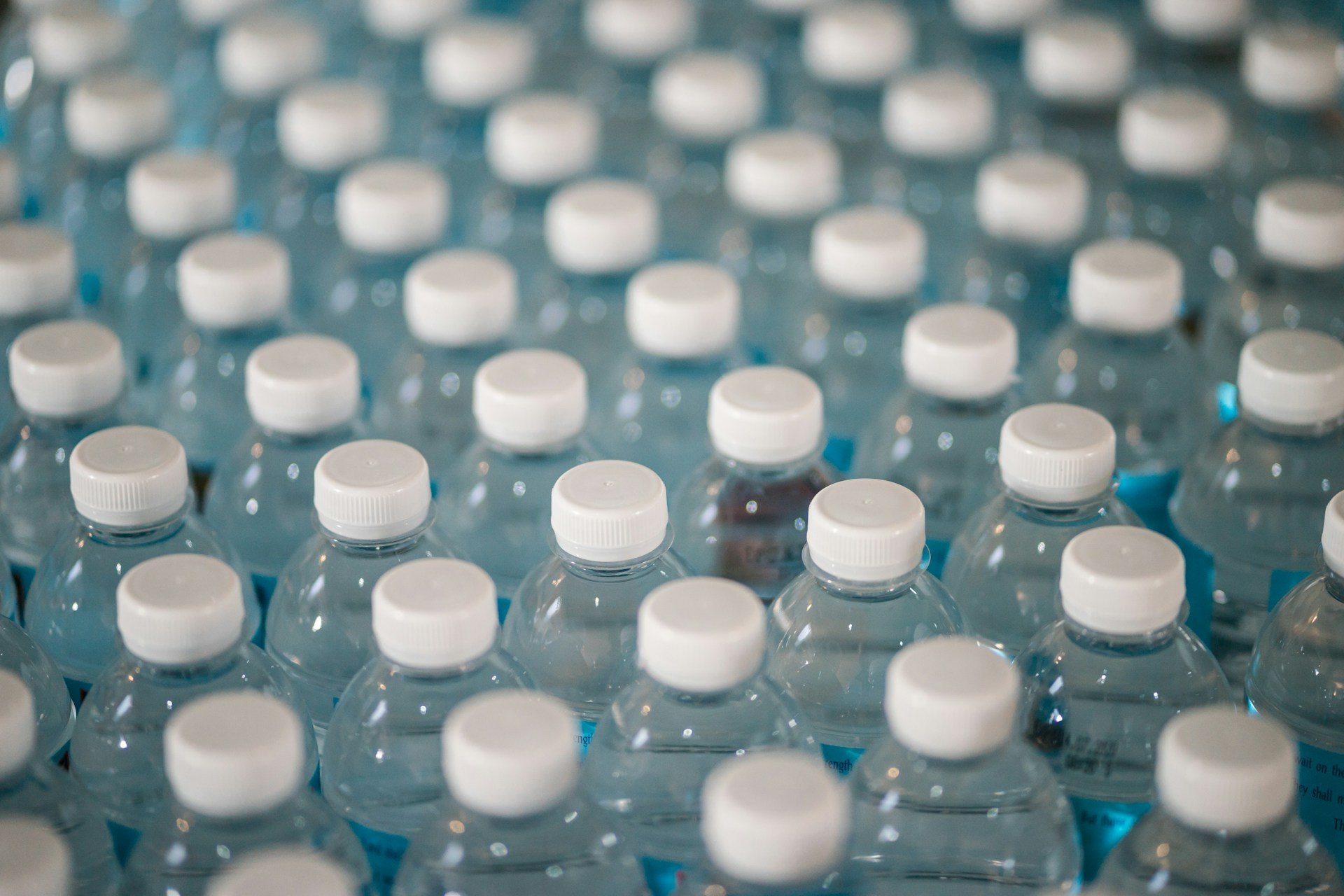
PET has an advantage because it already has established collection and recycling infrastructure in many markets. Go-Pak describes the range as compatible with existing PET recycling streams, although actual recycling still depends on collection, sorting, contamination levels, and the facilities available after use.
Food contact adds another control point. Recycled polymer intended for direct food and drink packaging has to meet relevant safety requirements, while manufacturing systems need to maintain traceability and consistency between resin batches.
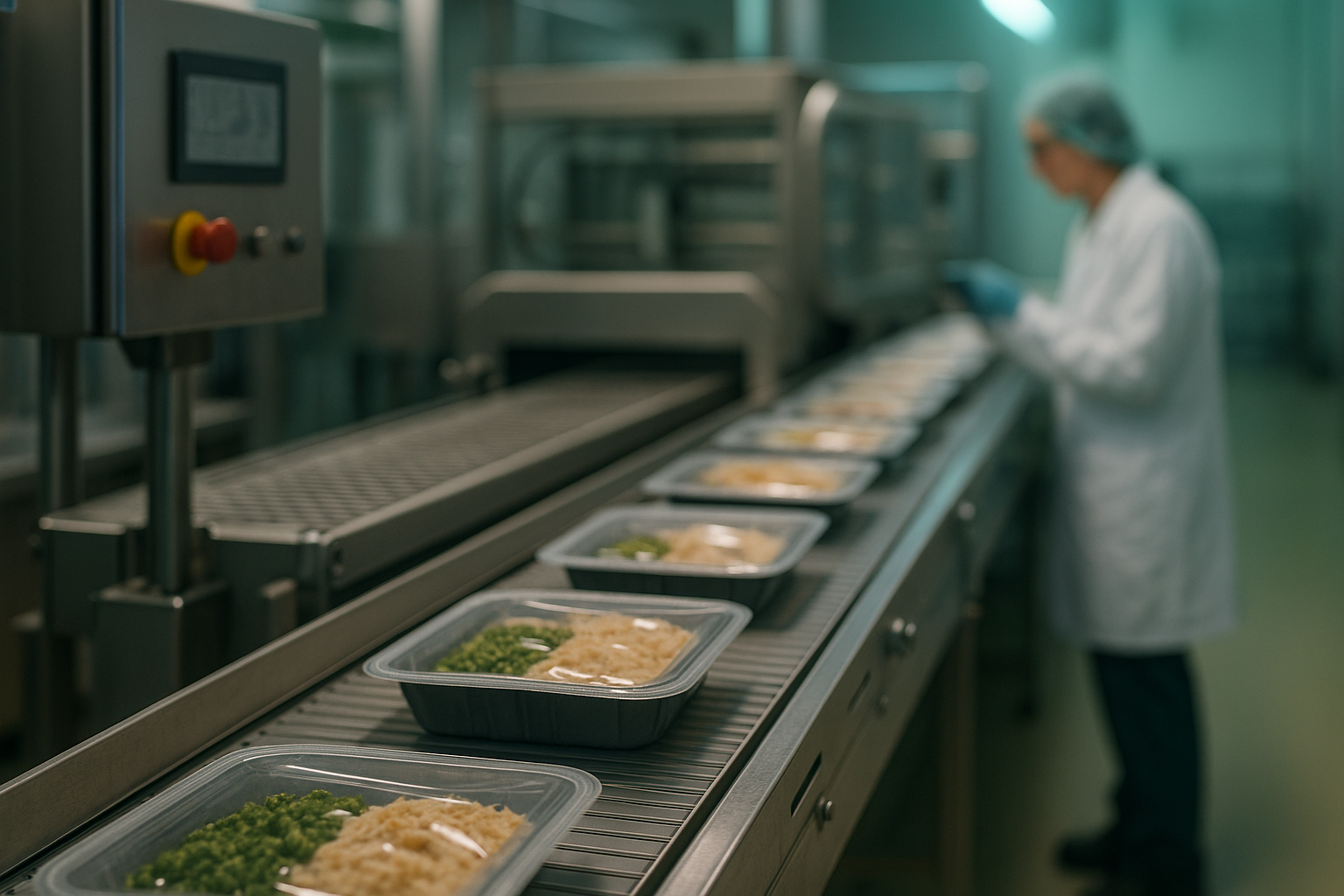
Those controls extend into thermoforming. Resin condition, sheet quality, heating, forming pressure, cooling, wall distribution, and trim can all affect the finished cup, particularly when high production speeds leave limited tolerance for inconsistent material behaviour.
The launch coincides with greater scrutiny of packaging data under the UK’s Extended Producer Responsibility regime. Go-Pak’s own 2026 guidance directs producers towards the Recyclability Assessment Methodology, which assigns red, amber, or green ratings to packaging components.
That begins to pull environmental classification into ordinary packaging procurement. Buyers have always compared unit cost, strength, appearance, supply reliability, case quantity, and equipment compatibility; recyclability evidence and EPR exposure now sit increasingly close to those conventional operating measures.
Material percentage alone still provides an incomplete comparison. A cup with higher recycled content can produce more waste if inconsistent forming increases rejects, while a technically recyclable pack achieves little if it is discarded into a waste stream that does not recover PET.
Go-Pak supplies a wider foodservice packaging portfolio including cups, lids, takeaway containers, fibre packs, and other consumables, with its current product catalogue explicitly including the Clarity 100% rPET range. The group also uses lower-recycled-content PET formats for applications where price, availability, or customer specification favour a different balance.
That tiered approach reflects the economics of recycled resin. Feedstock availability, quality, and pricing can vary, and maximum recycled content will not necessarily be the optimum specification for every contract.
Foodservice operators also work across very different waste environments. A closed venue with controlled collection can recover cups more effectively than dispersed takeaway consumption, meaning the same physical pack can have a different practical end-of-life outcome depending on where it is used.
Converters are consequently being pushed towards more precise claims. Terms such as recyclable and sustainable are increasingly weak on their own; customers need to know the polymer, recycled percentage, food-contact status, likely collection route, and whether the finished component performs under recognised assessment methodologies.
The same discipline applies when recycled material enters manufacturing. Resin suppliers and converters have to demonstrate that secondary material is not merely present but controlled well enough to support repeatable production at commercial scale.
Go-Pak’s Clarity range adds a 100% recycled-content option to that procurement landscape. The more difficult part will be keeping the cup sufficiently ordinary in use — consistent, clear, strong, readily supplied, and compatible with existing operations — that the recycled polymer becomes a specification rather than a compromise.