IN Brief:
- Mondelēz has completed a RM90 million Crumb Tower at its Cadbury plant in Shah Alam.
- The facility combines enclosed powder handling, a new-generation T-reactor, advanced fat handling, and digital process control.
- Chocolate crumb previously imported from South Africa and Australia can now be produced locally, with capacity available for wider regional supply.
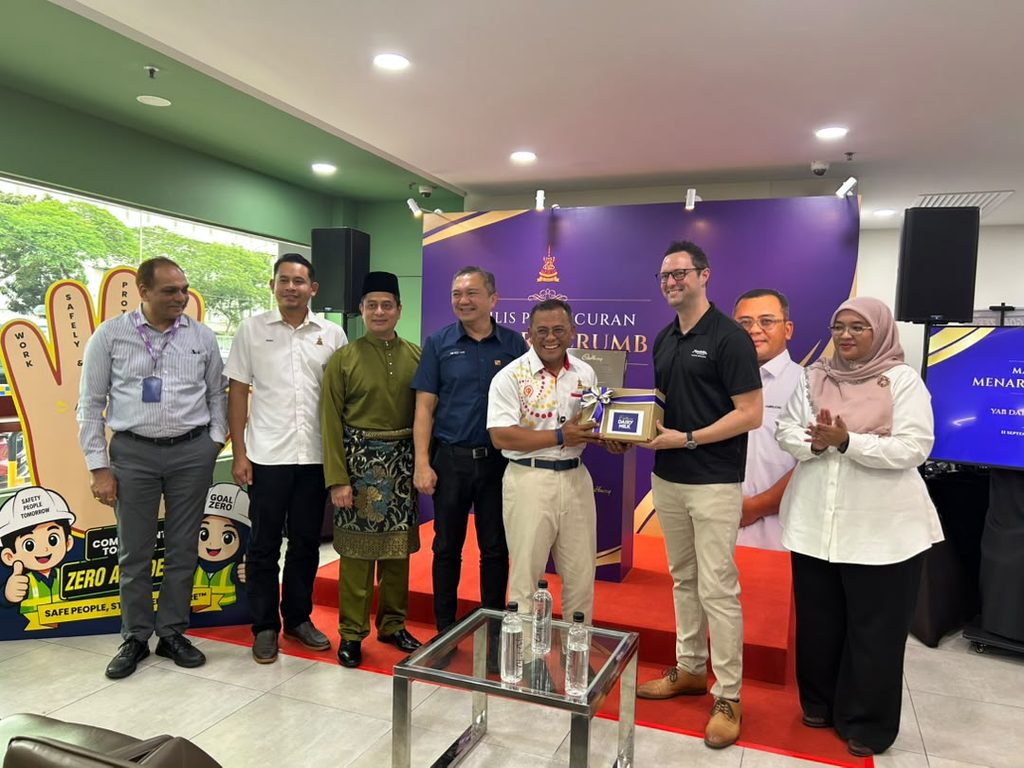
Mondelēz International has completed a RM90 million chocolate crumb facility at its Cadbury plant in Shah Alam, bringing an intermediate production stage previously supplied from overseas into the Malaysian manufacturing operation.
The Crumb Tower is the company’s largest single investment at the site and extends a manufacturing presence that dates to 1974. Chocolate crumb previously imported from markets including South Africa and Australia can now be produced locally before moving into the later stages of Cadbury chocolate manufacture.
The facility combines a fully enclosed high-capacity powder handling system, a new-generation T-reactor, and an advanced fat handling system. Mondelēz says the T-reactor is the first of its design in Malaysia, while the wider process has been configured around automation, digital control, and process-safety requirements.
Chocolate crumb is an intermediate material rather than a finished consumer product, but its manufacture influences the characteristics of the chocolate produced downstream. Milk ingredients, sugar, cocoa components, and process conditions interact during crumb manufacture, developing material properties that later have to remain consistent through refining, conching, tempering, moulding, and packing.
Producing that intermediate locally alters the Shah Alam plant’s operating responsibilities. Imported crumb arrives as a prepared input, while in-house production requires the factory to control powder reception, transfer, dosing, reaction conditions, fat handling, process sequencing, hygiene, and quality before the material reaches established chocolate-making equipment.
Enclosed powder handling reduces the amount of manual transfer required around dry ingredients and provides tighter separation between product and the surrounding production environment. It can also improve dust control and make dosing more repeatable, although the equipment introduces its own maintenance demands around filtration, conveying, valves, sensors, and cleaning.
The fat system presents another set of operating conditions. Temperature, flow, storage, and transfer have to remain within controlled limits while the equipment manages ingredients whose physical behaviour changes considerably with heat. Process safety becomes important where large quantities move automatically between storage and reaction stages.
Digital control links those individual operations into a repeatable sequence. Temperatures, flow rates, timings, equipment states, alarms, and recipe parameters can be monitored centrally, reducing dependence on manual intervention while increasing the need for operators and maintenance teams able to interpret process data and respond to deviations.
Automation at this stage complements investment elsewhere in industrial chocolate production. Recent cocoa-processing equipment has combined higher throughput with tighter thermal control and lower energy demand, reflecting the pressure on confectionery plants to control expensive raw materials earlier in the process rather than relying on downstream equipment to absorb variability.
The Shah Alam investment follows the same production logic. More consistent intermediate material can reduce the range of conditions presented to refiners, conches, tempering systems, and moulding lines. Variability has not disappeared, but moving the crumb stage inside the site gives the plant more direct control over one of its upstream inputs.
Localisation also reduces dependence on long-distance movement of the intermediate from South Africa or Australia. That can shorten replenishment routes and reduce exposure to freight disruption, although the Malaysian operation still relies on upstream supplies of the ingredients, packaging, parts, and services required to keep the process running.
Mondelēz has integrated Halal requirements throughout the facility and says the plant was designed against international quality and food-safety standards. The combination is significant for a site serving Malaysia while also being positioned for production beyond the domestic market, where manufacturing controls and certification requirements have to travel with the product.
The project has changed the skill mix at Shah Alam as well. Engineers and operators have been trained to manage the powder, reactor, fat handling, and digital-control systems. Reduced manual handling shifts work towards process supervision, instrumentation, preventative maintenance, fault finding, and data analysis rather than eliminating technical labour.
Malaysian suppliers involved in the project have also been qualified to support other Mondelēz sites, according to MIDA. That creates a route for local engineering and technology providers to move beyond one capital project where their equipment or services meet the group’s broader technical requirements.
The wider investment environment remains active. MIDA recorded RM4.9 billion of approved investment in Malaysian food manufacturing during the first half of 2026, up 40.9% year on year. The Crumb Tower sits within that growth but is notable for adding a process capability rather than simply another finished-product packing line.
Shah Alam can now manufacture an input it previously received from other countries and potentially support production beyond Southeast Asia. That expands the site’s role within the supply network, but the practical value will depend on routine performance: powder losses, reaction consistency, maintenance, energy use, yield, food safety, and uptime will determine whether localisation translates into a more efficient operation.
The RM90 million project has therefore moved the Cadbury plant further upstream in its own manufacturing process. Instead of treating crumb as an imported material, Shah Alam now has to produce it as consistently as the finished chocolate lines expect, turning supply-chain localisation into a day-to-day process-control responsibility.