IN Brief:
- Ball plans a new two-line beverage-can facility in Uttar Pradesh for operation from 2029.
- The plant will become its third Indian manufacturing location after Taloja and Sri City.
- Customer contracts already support the greenfield investment several years ahead of commissioning.
Ball Corporation plans to build a two-line aluminium beverage-can manufacturing facility in Uttar Pradesh, adding a third Indian production location to its existing plants at Taloja in Maharashtra and Sri City in Andhra Pradesh.
The greenfield plant is expected to begin operating in 2029. Ball says the investment is supported by customer contracts and is expected to generate strong economic value added, tying the capacity decision to committed demand rather than a speculative forecast of future can consumption.
Ball entered the Indian market in 2016 and has since expanded its footprint through the Taloja and Sri City operations. The Uttar Pradesh project extends that network into another region while giving beverage customers an additional source of cans closer to northern and central markets.
The company has not disclosed annual capacity, investment value, or a precise site in its corporate announcement. What it has confirmed is the two-line configuration, the 2029 operating target, the existing customer support, and a strategy to build an Indian plant network capable of reaching the majority of states.
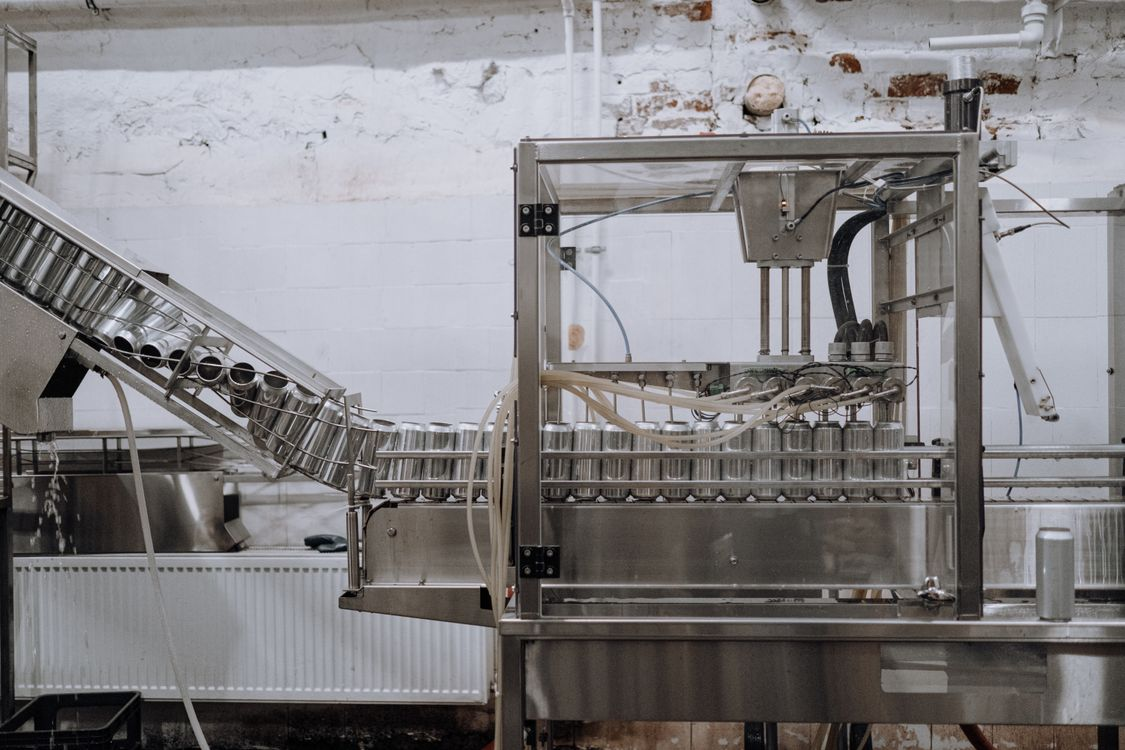
Beverage-can plants rely on scale. Cup forming, drawing and ironing, trimming, washing, internal coating, curing, decoration, necking, inspection, palletising, and utilities are arranged around high continuous throughput, with line economics deteriorating rapidly when equipment sits under-used or suffers frequent changeovers.
That makes customer contracts important several years before commissioning. A new can plant carries heavy fixed costs, and long production campaigns are needed to spread those costs across very large unit volumes. Demand visibility also influences decisions on can sizes, end formats, decoration capacity, warehousing, and the balance between flexibility and maximum line speed.
Indian beverage demand spans beer, carbonated soft drinks, energy drinks, water, and ready-to-drink products, each of which can impose different requirements on coatings, can dimensions, filling conditions, pasteurisation, ends, and graphics. A two-line site can provide both volume and some operational separation, but the eventual configuration will still have to reflect the format mix committed by customers.
Location is another part of the economics. Empty cans are light but bulky, so transport distance can become expensive long before weight limits are reached. Building conversion capacity closer to filling plants reduces the distance moved by finished empty containers and gives suppliers more flexibility during seasonal demand peaks or customer line expansions.
Regional canmaking does not remove exposure to aluminium markets. Recent analysis of aluminium volatility has highlighted the combined effect of metal prices, regional premiums, tariffs, freight, conversion charges, and physical availability on beverage-can procurement. A new plant changes the conversion and logistics network, but it still depends on reliable can-sheet supply at the required alloy and specification.
Coatings, inks, ends, tooling, spare parts, compressed air, power, and specialist maintenance also sit behind the finished container. Canmaking is highly automated, but the operational model depends on engineers able to maintain bodymakers, washers, decorators, ovens, neckers, inspection systems, and conveying equipment at the speeds required to keep unit costs competitive.
Customer qualification begins before commercial volume. Dimensions, seam compatibility, coating integrity, decoration, pallet quality, and conveying performance all need to be validated against individual filling lines. High-speed beverage plants have little tolerance for container variation because a small defect rate can become a significant operational problem when lines run tens of thousands of units an hour.
Ball’s existing Indian sites give the company an established technical and commercial base from which to develop the new operation. Procurement, quality systems, customer specifications, engineering practices, and workforce training can be transferred from an operating network rather than built entirely from scratch.
The 2029 start date also leaves time for customer filling investments to develop alongside the can plant. Packaging capacity added too early risks weak utilisation; capacity added too late forces customers to move empty cans longer distances or depend on imports and constrained domestic supply. Ball’s statement that contracts already support the project indicates that at least part of that timing has been coordinated with expected customer requirements.
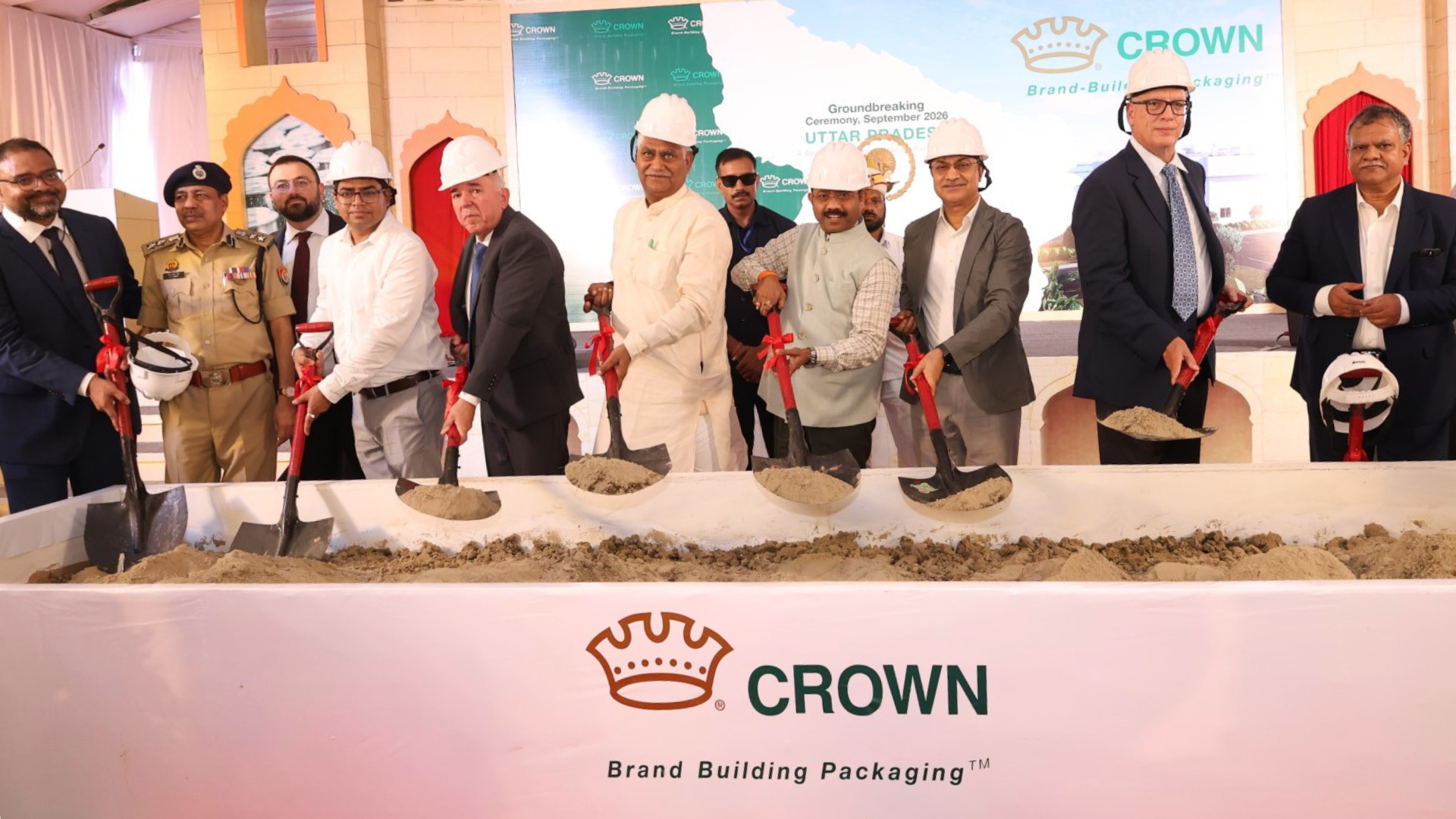
Competition is increasing at the same time. Crown Holdings has started construction of its first Indian beverage-can plant in Unnao, also in Uttar Pradesh, with production scheduled from the second half of 2027. The two projects are at different stages, but together they point to a larger regional manufacturing base for aluminium beverage packaging.
Additional suppliers can widen sourcing options for fillers, although switching between plants still requires qualification and commercial planning. Can dimensions may be standardised, but customer artwork, coatings, ends, filling-line settings, transport damage thresholds, and quality protocols are not interchangeable by assumption.
Ball’s latest project therefore expands more than nominal can capacity. It changes the geography of the company’s Indian network and brings another two production lines closer to a growing customer base. The long lead time means the plant will enter a market already reshaped by current investments, making utilisation, qualification, and supply-chain execution more important than the headline number of new lines.