IN Brief:
- C.P. Vietnam has received investment approval for a meat-processing project at Ham Kiem II Industrial Park.
- The 61,684-square-metre facility is designed for annual production of 57,000 tonnes of meat and processed meat products.
- Registered investment totals VND453.8 billion, with the company scheduled to contribute the full capital by September 2028.
C.P. Vietnam Corporation has secured investment approval for a meat-processing facility in Lam Dong province with planned annual capacity of 57,000 tonnes and registered capital of VND453.8 billion, equivalent to roughly $17 million.
The project will occupy 61,684 square metres across two plots at Ham Kiem II Industrial Park. Lam Dong’s industrial-zone management authority issued the investment certificate on 26 August, with the development focused on processing and preserving livestock meat and manufacturing processed meat products.
C.P. Vietnam is financing the registered investment entirely through its own equity. The official approval states that the company is scheduled to contribute the full project capital by September 2028, while the investment term runs for 32 years to February 2058.
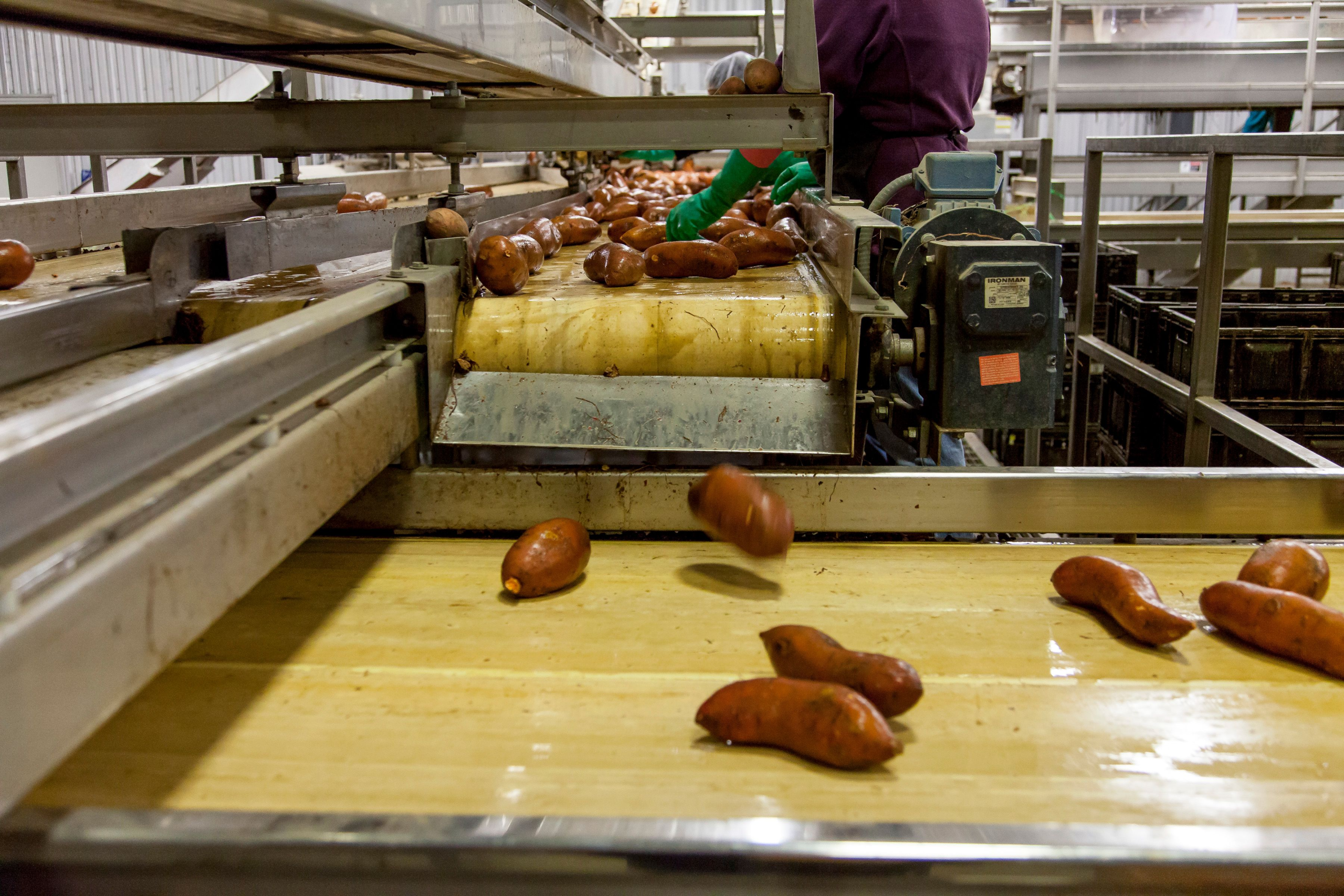
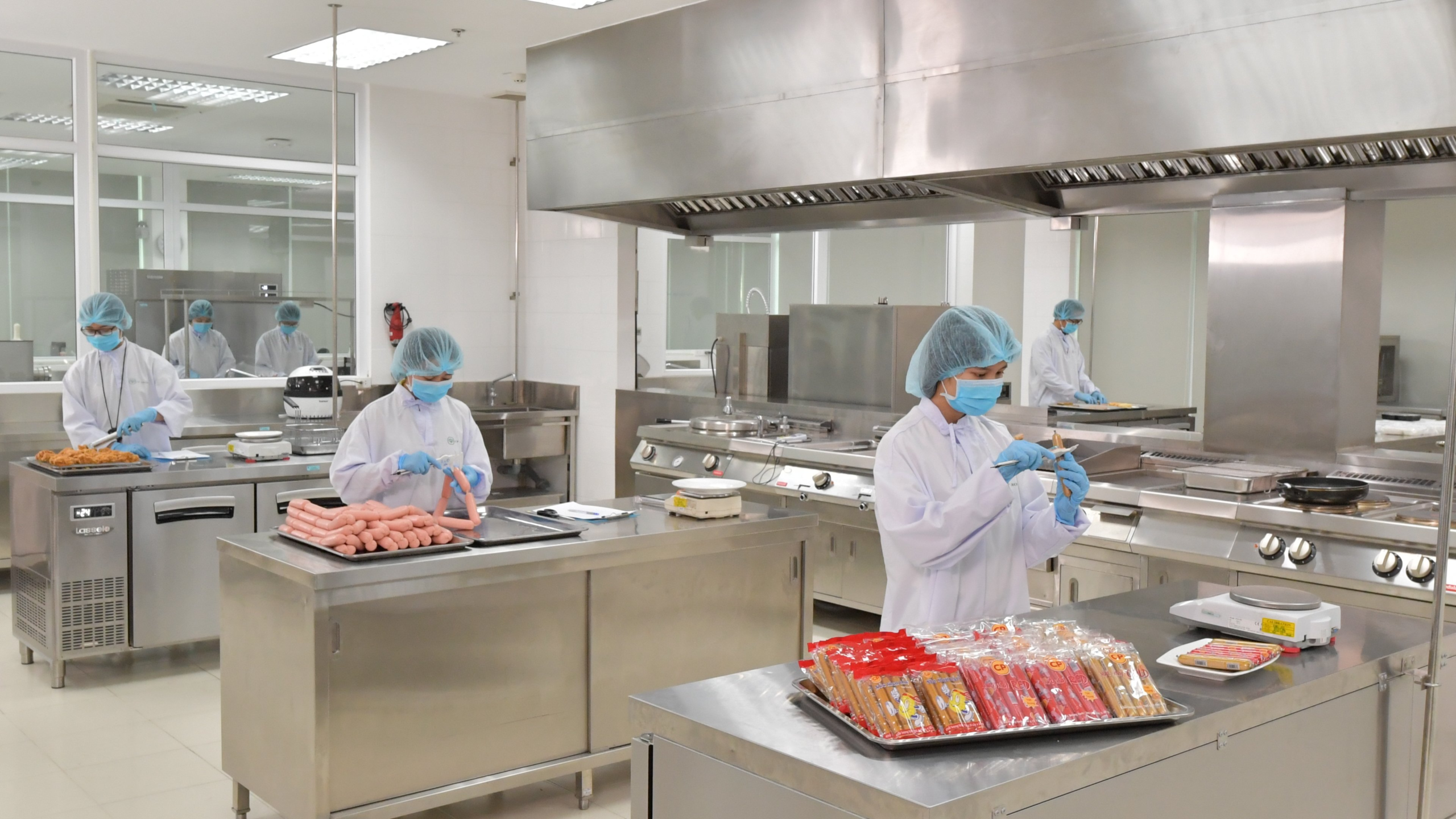
No detailed production-line configuration has yet been published. The 57,000-tonne annual design capacity nevertheless makes the development a substantial industrial meat-processing project requiring coordinated raw-material intake, hygienic processing, refrigeration, packing, storage, utilities, and outbound distribution.
C.P. Vietnam already operates across animal feed, livestock production, slaughter, food processing, and distribution, giving the proposed plant a place within an established vertically integrated agricultural and food system rather than creating a standalone processing operation.
That structure can influence how a large meat factory is supplied. Processing assets of this scale require predictable livestock availability as well as control over animal specifications, scheduling, and quality. Capacity installed at the factory has limited value if upstream supply varies sharply or arrives out of step with line availability.
Meat processing also carries a high fixed infrastructure requirement. Refrigeration, hygiene systems, wastewater treatment, utilities, cleaning capacity, and temperature-controlled storage have to operate regardless of whether the plant is running at maximum throughput, making utilisation an important part of the economics.
C.P.’s integrated model gives it more scope to coordinate those stages than a processor relying entirely on spot-market livestock purchases. Feed, farming, animal health, slaughter scheduling, and processing can be managed within connected operations, although the effectiveness of that system still depends on forecasting demand accurately enough to prevent excess animals or finished inventory.
Hygienic design will be central to the Lam Dong project once detailed engineering progresses. Raw meat enters a production environment with variable microbiological characteristics, making zoning, surface design, drainage, cleaning, temperature management, and separation between process stages fundamental parts of factory performance.
Higher throughput increases the consequences of failures in those systems. A contamination event or temperature-control problem affecting a large production run can put substantially more stock at risk than an equivalent issue in a smaller facility, placing additional importance on monitoring, traceability, and effective segregation.
Water and wastewater infrastructure are equally important. Meat factories use water extensively for cleaning and sanitation, while production generates effluent requiring treatment before discharge. The supporting treatment plant therefore has to be sized alongside process equipment rather than considered after line capacity has been fixed.
Refrigeration will create another substantial utility load. Raw material, work in progress, and finished meat products may require controlled temperatures at several stages, with cold rooms and chilled distribution continuing to consume energy outside normal production shifts.
The planned 57,000-tonne capacity will also generate requirements beyond the factory boundary. Packaging supply, refrigerated warehousing, transport, and distribution capacity must expand in step with production if finished goods are to move efficiently into C.P.’s existing channels or external customer networks.
The approval does not yet provide a detailed construction or commissioning schedule beyond the capital-contribution timetable. That distinction is important: the investment certificate establishes the project, location, scale, and financing framework, but it does not show that production is imminent.
The development will therefore move through further design, legal, construction, equipment, and commissioning stages before its nominal processing capacity becomes available. Decisions made during those stages will determine the balance between slaughter or intake operations, further processing, packing, cold storage, environmental controls, and logistics.
For Lam Dong, the project adds a sizeable food-manufacturing investment to Ham Kiem II Industrial Park. For C.P. Vietnam, it extends a processing network already connected with its wider feed and livestock businesses, creating another potential route for converting agricultural production into higher-value processed products.
The immediate milestone is the investment approval rather than factory start-up. With VND453.8 billion registered and 57,000 tonnes of annual capacity specified, the next substantive developments will be the physical delivery of the site and the production systems required to turn that approved capacity into operating output.