IN Brief:
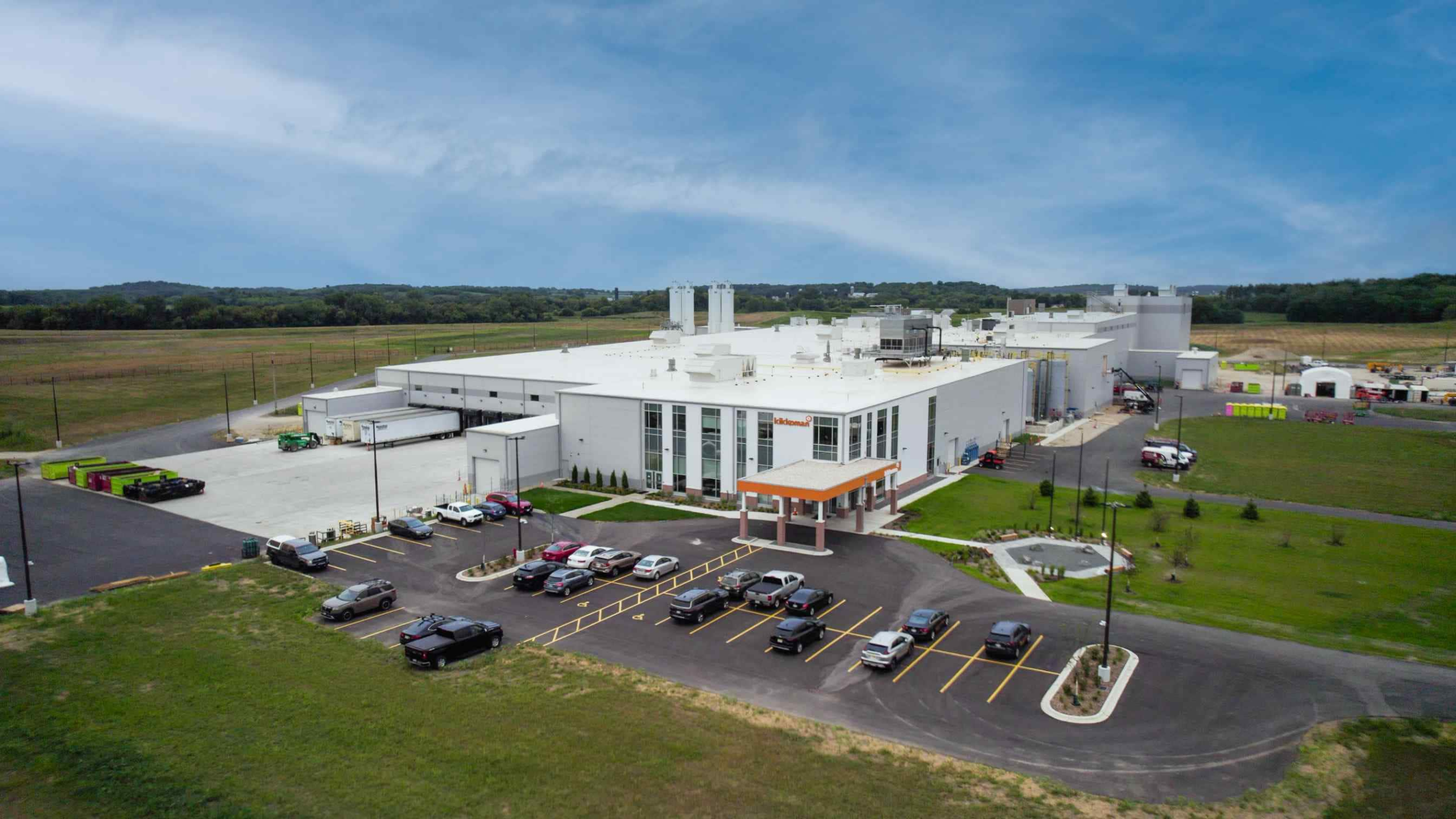
- Kikkoman's Jefferson plant occupies a 100-acre site with approximately 240,000 square feet of manufacturing space.
- Brewing began in May, with commercial shipments scheduled to start in October.
- Flexible production, digital manufacturing, and multiple pack formats broaden capacity for retail, foodservice, and food-manufacturing customers.
Kikkoman has opened its third US production plant in Jefferson, Wisconsin, adding a 240,000-square-foot soy sauce and seasoning facility to a North American manufacturing network serving retail, foodservice, and food-production customers.
The company held the grand opening on 18 September after beginning construction in April 2024. Soy sauce brewing started in May this year, with commercial shipments scheduled to begin in October. Kikkoman plans approximately $560 million of investment at the Jefferson site over ten years.
The operation occupies about 100 acres and joins Kikkoman Foods plants in Walworth, Wisconsin, and Folsom, California. It is the company’s third US production base and the Kikkoman Group’s ninth soy sauce manufacturing location outside Japan.
Jefferson is intended to increase capacity as Kikkoman’s North American soy sauce business continues to grow. The company identifies North America as its largest overseas market, while shipments from the established Walworth plant have continued to rise.
The new facility has been designed for more than one product or packaging configuration. It can manufacture soy sauce, teriyaki sauce, and other seasonings across products with different viscosities and can handle packaging including glass bottles, BPA-free plastic, industrial containers, and bulk formats.
That flexibility matters because the brewing process and final packing operation work on markedly different timescales. Naturally brewed soy sauce requires extended fermentation before it reaches filling, while customer demand can change considerably faster between retail packs, restaurant formats, and bulk ingredients used by other food manufacturers.
A plant capable of switching downstream formats without altering the fundamental brewing process gives Kikkoman more options when its customer mix changes. Foodservice growth may increase demand for larger containers, while industrial customers can require bulk supply and retail business creates a wider range of smaller consumer packs.
The facility also incorporates digital manufacturing tools supporting paperless operations, real-time data visualisation, and enhanced traceability. Those systems connect a long fermentation process with the faster-moving filling and packaging stages that convert brewed product into individual commercial lots.
Traceability is particularly valuable where the same production operation serves several channels. Finished batches have to be connected with processing information, ingredients, packaging components, and customer specifications, while any deviation needs to be isolated without unnecessarily holding unrelated output.
Greater pack variety also increases the importance of production controls. Different containers can require separate fillers, closures, labels, case formats, and line settings, creating more opportunities for specification errors. Digital work instructions and production records can reduce that risk when the underlying master data and change-control processes are kept accurate.
Kikkoman has also linked the site with environmental targets covering carbon dioxide emissions, water consumption, and recycling. Wisconsin Economic Development Corporation material states that the company is targeting a reduction of more than 50% in carbon emissions, a reduction of more than 30% in water use per production unit, and a 100% recycling rate by 2030.
Those targets are relevant to soy sauce manufacture because water and thermal energy are integral to brewing, cleaning, utilities, and packaging. Expanding production while reducing unit consumption requires efficiency across the complete plant rather than simply fitting lower-energy equipment at individual process stages.
The Jefferson location also strengthens geographic resilience. Walworth remains a major Midwestern manufacturing base and Folsom provides West Coast production, while a second Wisconsin plant adds capacity without forcing all incremental North American growth through an existing factory.
The site’s location reflects some of the same conditions that supported the original Wisconsin operation. Kikkoman highlighted access to soybeans and wheat, suitable water, market connections, and workforce availability when it selected Jefferson in 2024.
Those supply considerations matter for a fermented product where consistency begins with raw materials and water rather than at the filling line. Increasing finished-output capacity therefore requires corresponding reliability across agricultural inputs, fermentation space, utilities, packaging stocks, and distribution.
Jefferson began brewing months ahead of its first commercial shipments because fermentation creates an unavoidable lead time between starting production and releasing finished soy sauce. The October shipping date will therefore mark the commercial output stage of a manufacturing process already operating inside the plant.
Once shipments begin, Kikkoman will have three active US manufacturing bases and a new facility designed to accommodate both volume growth and a wider product mix. The $560 million programme gives Jefferson room to develop over the next decade rather than treating the grand opening as the final point of investment.