IN Brief:
- T'a Milano has opened a production facility of around 2,000 square metres at San Vittore Olona.
- Dedicated preparation, packing, and logistics areas are designed around temperature control, traceability, and HACCP requirements.
- The additional space could support around one million more dishes and as many as 500 extra events each year.
T’a Milano has opened a production facility of around 2,000 square metres at San Vittore Olona, expanding its prepared-food, catering, and corporate foodservice capacity while reorganising preparation, packing, and logistics activities.
The operation is located close to the company’s existing production laboratory at Cerro Maggiore and is intended to provide additional space as the business grows. The company expects the facility to support around one million additional prepared dishes and up to 500 more events each year.
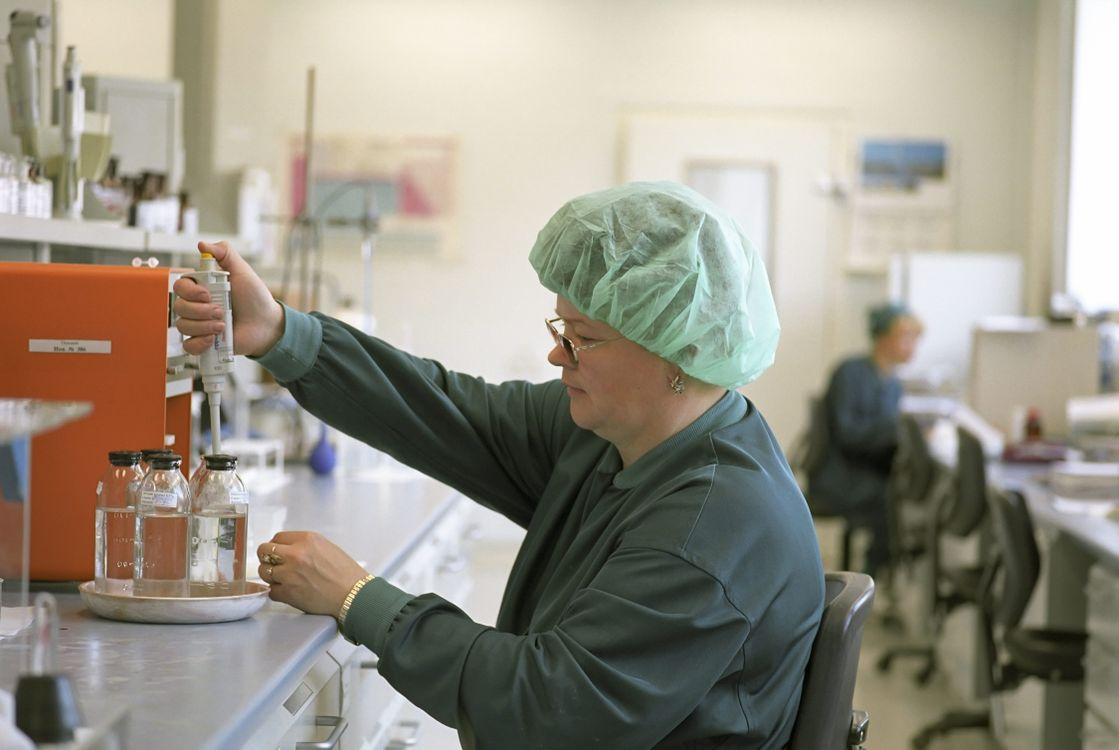
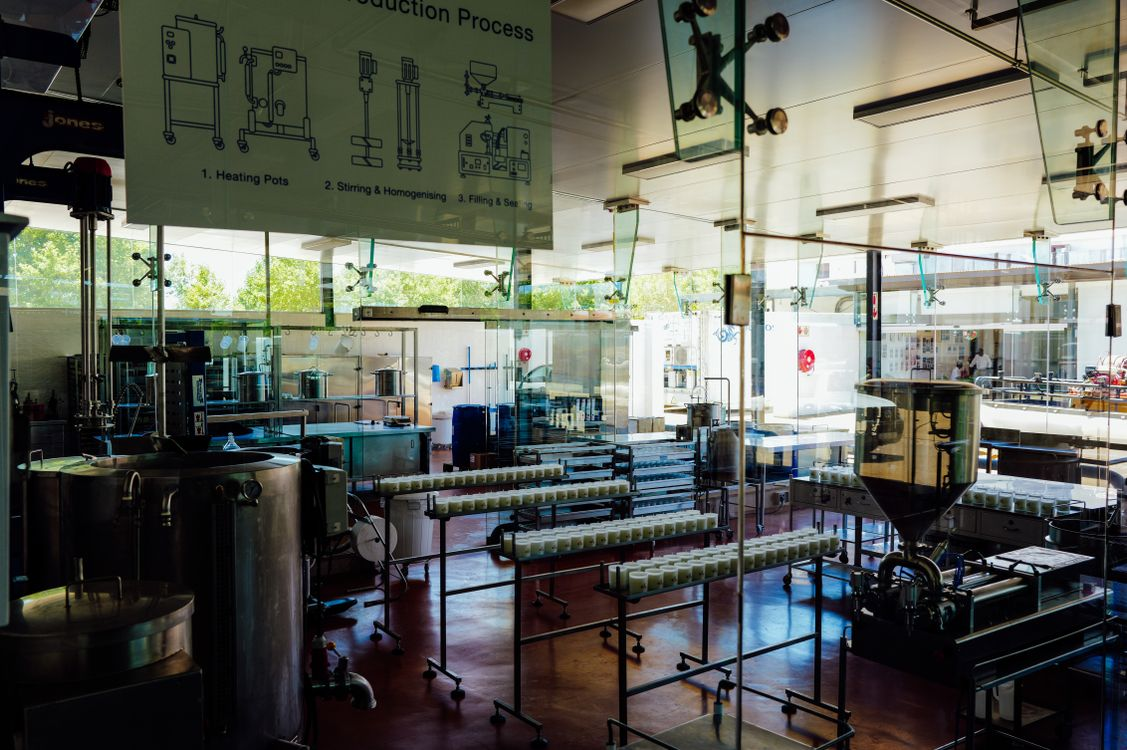
The building has dedicated areas for preparation, packaging, and logistics, with production flows designed around temperature control, traceability, separation of activities, and HACCP requirements. T’a Milano has also invested in staff training, digital production planning and control, and systems for managing the supply chain.
The company operates across pastry, chocolate, prepared savoury foods, catering, events, and corporate foodservice. It began with sweet products in 2007 before expanding into savoury production from 2013, creating a manufacturing operation that has to handle both repeatable prepared-food output and more variable event-driven demand.
Those two demand patterns place different pressures on production planning. Corporate foodservice can create relatively predictable recurring volumes, while catering and events can require large quantities of specific products against fixed delivery times. A larger site gives planners more physical capacity, but the production schedule still has to coordinate labour, ingredients, preparation rooms, packing, storage, and despatch.
Separating preparation, packing, and logistics areas can reduce crossings between raw materials, work in progress, finished products, and outgoing orders. Food safety controls become easier to maintain when different activities have clearly defined routes through the building, particularly where chilled ingredients and short-life prepared foods are being handled.
Temperature control is central to that layout. Prepared foods may pass through cooking, cooling, chilled storage, portioning, and packing stages before despatch, and delays between those steps can affect product quality as well as food safety. Additional space can reduce congestion, but the benefit depends on moving products through each controlled stage without creating unnecessary holding time.
The company’s investment in digital production planning addresses the same coordination problem. Event schedules and customer orders can change the mix of food required from one day to another, making manual planning increasingly difficult as output grows. Digital systems can connect demand with available labour, ingredients, equipment, and production time before orders reach the factory floor.
Supply-chain management becomes more important as the number of dishes increases. More production requires additional ingredients and packaging, but carrying excess stock creates waste and working-capital costs, particularly where products have limited shelf life. Accurate inventory records and purchasing schedules are therefore closely linked with the new site’s ability to use its nominal capacity efficiently.
T’a Milano reported revenue above €20 million in 2025, compared with around €17 million a year earlier. Growth has been associated with premium catering, corporate events, and company catering, giving the San Vittore Olona expansion a defined commercial base rather than adding production space ahead of an entirely new market.
The facility also incorporates photovoltaic generation. Prepared-food operations can carry significant electricity loads from refrigeration, ventilation, production equipment, and storage, and on-site generation can offset part of that requirement during daylight hours. No generation capacity or expected energy saving has been disclosed, so its contribution cannot yet be quantified.
Scaling catering production presents a different challenge from increasing output on a single high-volume line. Standardisation improves efficiency, but events and premium foodservice frequently require menu changes, different batch sizes, and customer-specific requirements. The plant therefore has to create repeatability around processes and controls without eliminating the flexibility on which the service business depends.
Training forms part of the investment programme for the same reason. Larger production volumes and more structured workflows require consistent procedures across food preparation, hygiene, traceability, packing, and logistics. Introducing digital systems without comparable changes in working practices would leave part of the investment underused.
The additional capacity also creates more pressure downstream. Producing another one million dishes is only useful if finished products can be packed, stored, allocated, and transported within their required temperature and delivery windows. Logistics therefore sits alongside production in the new layout rather than being treated as a separate function after manufacturing is complete.
T’a Milano is using the site to place more of its growth inside a controlled production environment. The expansion does not turn the company into a conventional mass-market food factory, but it moves a catering-led business towards a more structured manufacturing model built around defined flows, digital planning, traceability, and greater throughput.
The San Vittore Olona facility is now operating, shifting attention from construction to utilisation. Its published capacity figures provide room for substantial growth, but production planning, food safety, inventory control, and logistics will determine how much of that additional space can be converted into reliable finished-food output.