IN Brief:
- Golden Gate has opened the first phase of a four-hectare food-processing and distribution complex in Phu Tho.
- Production includes meat, vegetables, ready-to-eat foods, sauces, dumplings, fresh noodles, and pizza bases.
- WMS-controlled warehousing and automated sorting connect centralised manufacturing with more than 600 existing restaurants.
Golden Gate Group has opened a four-hectare food-processing and distribution complex in Phu Tho province, investing more than VND600 billion in a facility designed to centralise production for its restaurant network while creating additional capacity for retail and export markets.
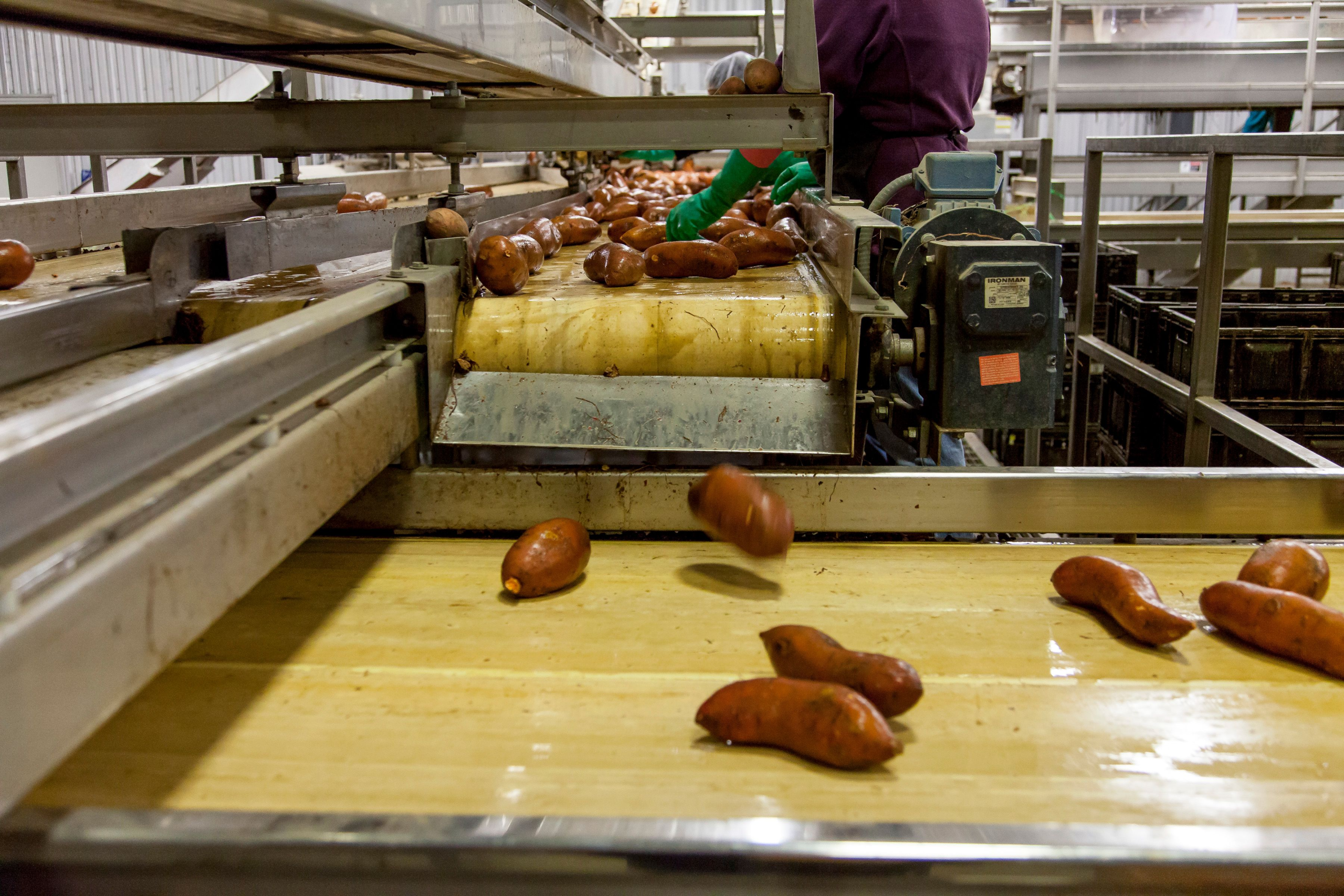
Golden Gate Foods Tien Tien opened on 19 September at the Tien Tien Industrial Cluster in Thinh Minh. The development is the group’s second new production facility within three years and combines food manufacturing with a distribution centre on the same site.
The scale moves the operation beyond a conventional restaurant central kitchen. Meat preprocessing capacity is rated at 3,600 tonnes a year and the vegetable line at approximately 4,320 tonnes, while the hot kitchen used for ready-to-eat foods and sauces has capacity of around 4,320 tonnes annually.
Dedicated lines extend the range further. Dumpling production is rated at three tonnes a day, fresh noodles at two tonnes a day, and the bakery and pizza operation can produce up to 10,000 pizza bases each day.
The capacity allows Golden Gate to move more preparation away from individual restaurants and into a controlled manufacturing environment. The group operates more than 600 restaurants across over 35 brands, creating a large internal customer base before any retail or export volume is added.
Centralisation changes where labour and process control sit within that network. Meat cutting, vegetable preparation, sauce production, dough processing, and other repeatable tasks can be carried out using dedicated equipment and standard specifications before products are distributed to individual restaurant locations.
That can improve consistency while reducing duplication across hundreds of kitchens. A centrally portioned meat product, for example, can be controlled for weight and specification before despatch, while sauces manufactured in larger controlled batches can reduce restaurant-to-restaurant variation.
The trade-off is greater dependence on logistics. When preparation is carried out locally, an individual restaurant retains some ability to adjust production during the day. Once manufacturing is centralised, the factory has to forecast demand, make the correct product mix, allocate it accurately, and move it through the distribution network before individual outlets run short.
Golden Gate has incorporated its distribution centre within the same complex to address that problem. The warehouse uses a warehouse-management system and automated sorting equipment to control product movements and allocate orders across the restaurant estate.
That link between production and distribution is central to the plant’s operating model. A multi-product factory serving hundreds of destinations can create a large number of daily stock movements, while fresh and chilled items also carry shelf-life and temperature constraints. Production output therefore has to be connected directly with inventory status, order allocation, and despatch planning.
Traceability becomes more demanding as the network grows. Raw materials may be split across production batches that are subsequently divided among many restaurant deliveries, requiring the business to retain links between supplier lots, factory processing, warehouse positions, and downstream destinations.
The range of products also creates varied manufacturing requirements. Meat and vegetables have different hygiene and temperature profiles from cooked sauces, dumplings, noodles, and bakery products, while ready-to-eat production brings additional segregation and contamination-control considerations.
Changeovers and cleaning can therefore influence usable capacity as much as headline line speed. A plant capable of several tonnes a day still loses productive time when equipment has to be cleaned, reconfigured, or prepared for products with different allergen or food-safety requirements.
The distribution centre helps turn those manufacturing lines into a network-scale system rather than a collection of isolated production assets. Automated sorting can reduce manual handling in order assembly, but its effectiveness depends on accurate warehouse data and standardised product identification from the factory onward.
Golden Gate has also identified retail products and exports as potential future outlets. Those channels create additional requirements because products intended for external sale need packaging, labelling, shelf-life, regulatory, and customer specifications beyond those used for internal restaurant distribution.
The Phu Tho facility follows an earlier factory at Thach That, used for products including broth concentrates, hotpot items, and ice cream. The newer development broadens the group’s ability to industrialise products that might otherwise be prepared separately across its restaurant estate.
Its current network provides an immediate base load for the investment, but the plant has been designed with substantial expansion capacity. Contemporary reporting states that the operation could support a restaurant network several times larger than the existing estate, while additional retail and export channels would give Golden Gate alternative routes for using installed capacity.
The challenge now moves from construction to utilisation. The equipment gives Golden Gate much greater central production capability, but the return on that investment will depend on demand forecasting, hygienic production, warehouse accuracy, cold-chain performance, and the ability to coordinate thousands of individual restaurant orders without shifting complexity from kitchens back into the factory.