IN Brief:
- The new Rheinwerk furnace in Neuss has a stated annual recycling capacity of about 60,000 tonnes.
- The €40m project includes work on a casting line and storage for a further 6,500 tonnes of can scrap.
- The furnace is hydrogen-ready, although Speira has not said that it currently operates on hydrogen.
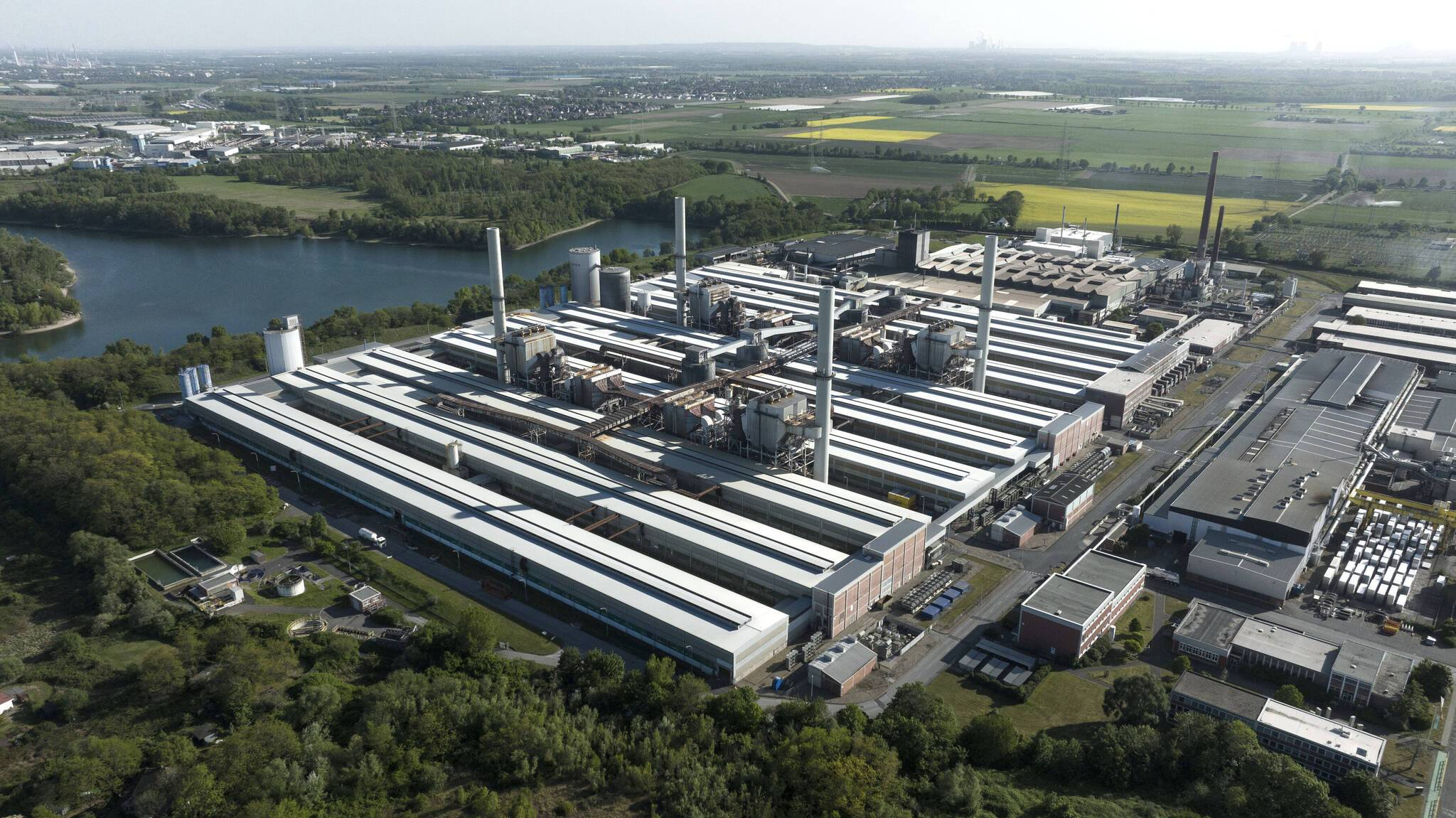
Speira has inaugurated a recycling furnace for beverage-can aluminium at its Rheinwerk plant in Neuss, Germany, bringing into service the principal equipment from an approximately €40 million investment programme previously announced for the former smelting site.
The furnace has a stated annual capacity of approximately 60,000 tonnes. Associated work includes optimising the third of four casting lines for recycled alloys and adding storage for 6,500 tonnes of can scrap in 300-metre-long halls formerly used for primary aluminium production. The programme connects scrap reception and preparation with remelting and casting, rather than expanding the furnace in isolation.
The inauguration marks the autumn milestone Speira set out in July, when it said its fourth recycling furnace would begin operating. The €40 million is therefore an earlier capital commitment, not a newly approved budget. Speira has separately earmarked further expenditure for dismantling and redeveloping parts of the old smelter, which is distinct from the furnace programme.
Used beverage cans can contain coatings, inks and residues as well as alloys of differing composition. At an industrial recycling plant, incoming material must be received, identified and prepared before melting if the metal is to meet the chemistry required by downstream customers. Speira has converted part of the former electrolysis buildings into a scrap yard where loads can be sampled, sorted and prepared for furnace feed.
The additional storage supports all recycling furnaces at Rheinwerk. The incoming scrap mix and required melt composition can vary between production runs, making these preparatory operations part of production planning. Storage and sampling allow the plant to organise material before it enters a furnace, though Speira has not published stock-turn figures or measured throughput gains attributable to the new yard.
Once scrap is melted, the resulting metal still needs to meet alloy specifications before it can be cast for further processing. Residual contamination and variations in composition have to be managed alongside molten-metal handling and casting conditions. Speira has therefore adapted one casting line as part of the same investment, matching downstream equipment to the extra recycling capacity rather than relying on additional melt output alone.
Demand from beverage-can manufacturers is central to the project. Red Bull attended the opening and already uses cans made from Speira’s recycled aluminium, providing an existing example of the material’s end use. Speira has not identified how much of the new furnace’s capacity is contracted to Red Bull or any other customer, and the attendance should not be interpreted as an announcement of a new supply agreement.
Speira describes the new furnace as hydrogen-ready for a future connection to a hydrogen network. That designation does not mean hydrogen is being used as a fuel today, or that the plant’s present emissions can be calculated from its future capability. Actual emissions depend on the operating fuel, energy requirement, material losses and the electricity and process energy used elsewhere in the production chain.
According to Speira, manufacturing aluminium from recycled material can require around 95% less energy than producing primary metal. This is a comparison between production routes, not a measured reduction achieved by the new furnace. The eventual saving will depend on the amount of recoverable metal processed, operating efficiency and how much upstream collection and sorting is needed to provide suitable feedstock.
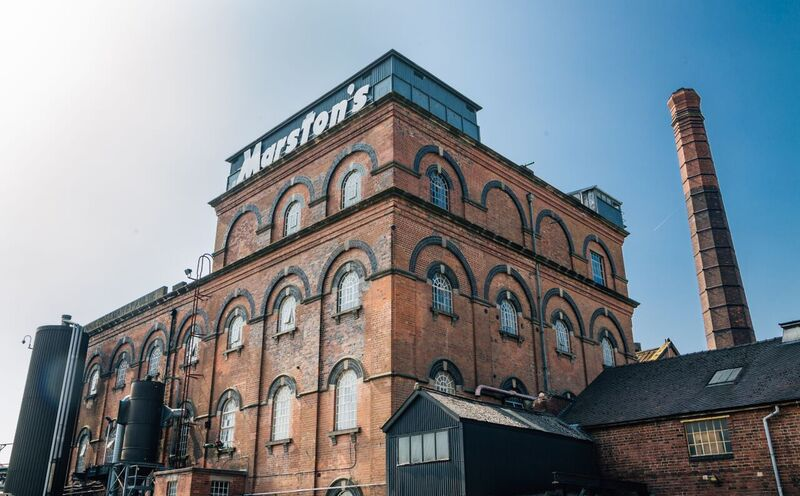
Rheinwerk’s transition follows the complete phase-out of primary-metal electrolysis at the site. The former process consumed large amounts of electricity to extract aluminium from raw materials, while the emerging operation melts metal already in circulation. Speira has also begun repurposing sections of the old smelter to receive and prepare post-consumer scrap, with further demolition and redevelopment planned as separate work.
Closed-loop recycling of beverage cans requires consistent quality as well as enough incoming material. Poorly sorted scrap or unsuitable alloy mixtures can affect the chemistry of the metal produced, even when a furnace has adequate capacity. Sampling and preparation help reduce those risks, while casting controls determine whether the output can proceed to rolling and eventual can manufacture. Speira has not reported melt yield, alloy rejection rates or customer qualification results from the newly opened unit.
The 60,000-tonne annual figure is a statement of capacity, not evidence of a full year’s achieved production. Rheinwerk now has additional remelting equipment, scrap-handling space and a modified casting line, but sustained industrial performance will depend on deliveries of suitable scrap and operation of the connected processes at the required alloy specification. The inauguration confirms a new piece of recycling equipment is in service, without yet establishing annual throughput or metal recovery yield.