IN Brief:
- That’s Amore Cheese, Mr. Pitta and Picnic Foods are investing a combined A$21.6 million.
- The projects include production lines, automation, cold storage and product development facilities.
- The Victorian Government expects almost 50 new jobs across the three investments.
Three food manufacturers in northern Melbourne are investing a combined A$21.6 million in production expansion across cheese, flatbread and pastry operations.
The Victorian Government announced the developments on 9 October 2026, identifying That’s Amore Cheese, Mr. Pitta and Picnic Foods as the businesses involved. Together the projects are expected to create almost 50 jobs.
The facilities differ in their processes and product requirements, but each investment addresses the practical question of increasing manufacturing capacity while improving supporting infrastructure.
That’s Amore Cheese plans to expand its Thomastown site with automation, additional cold storage and research and development capability. Its operation focuses on cheese products supplied to customers in Australia and elsewhere.
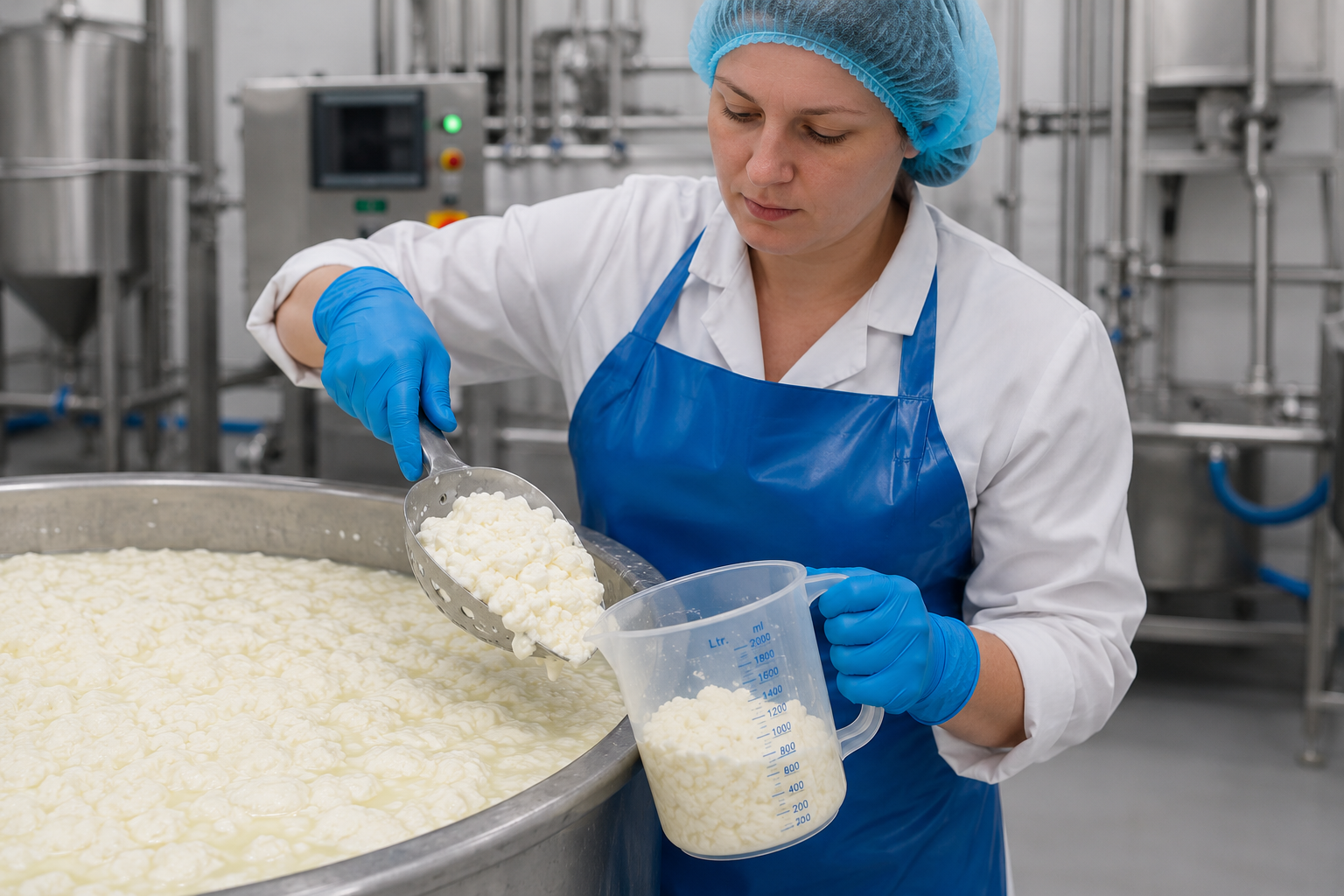
Dairy manufacturing requires careful coordination of processing and refrigeration. Increasing the output of individual equipment units is of limited use if there is insufficient capacity to handle or store the finished products.
The additional cold storage is therefore a relevant part of the project, not simply a peripheral property improvement. Its effectiveness will depend on the layout, storage temperature requirements and distribution schedule.
The announced research and development laboratory adds another function. Product developers need to assess formulation, sensory properties, shelf life and the relationship between processing conditions and finished quality.
An onsite laboratory can support technical work close to the operating plant, although production-scale trials remain necessary before a new recipe or process can be adopted commercially.
The government did not identify individual machine models or specify the percentage throughput improvement expected from automation at That’s Amore. Those details cannot be inferred from the investment figure.
Mr. Pitta, a family-operated flatbread manufacturer, plans a new factory in Campbellfield with modern manufacturing machinery and energy-efficient equipment.
Flatbread production involves a sequence of ingredient preparation, dough development, forming, baking, cooling and packing. Each stage must be matched to the required product dimensions and production rate.
If baking capacity increases faster than cooling or packaging capacity, product can accumulate between operations. Integration of the whole line is therefore important when assessing factory expansions.
Process temperature and time affect the physical characteristics of bread products, while cooling and packaging influence moisture retention and the condition of the product during distribution.
The project’s precise equipment configuration and expected energy savings have not been disclosed. Energy-efficient technology is an investment intention, not evidence of a verified reduction in consumption.
Picnic Foods plans an expansion at Coolaroo under the Sahara Gourmet Bakehouse name, supported by a stated A$2.53 million investment.
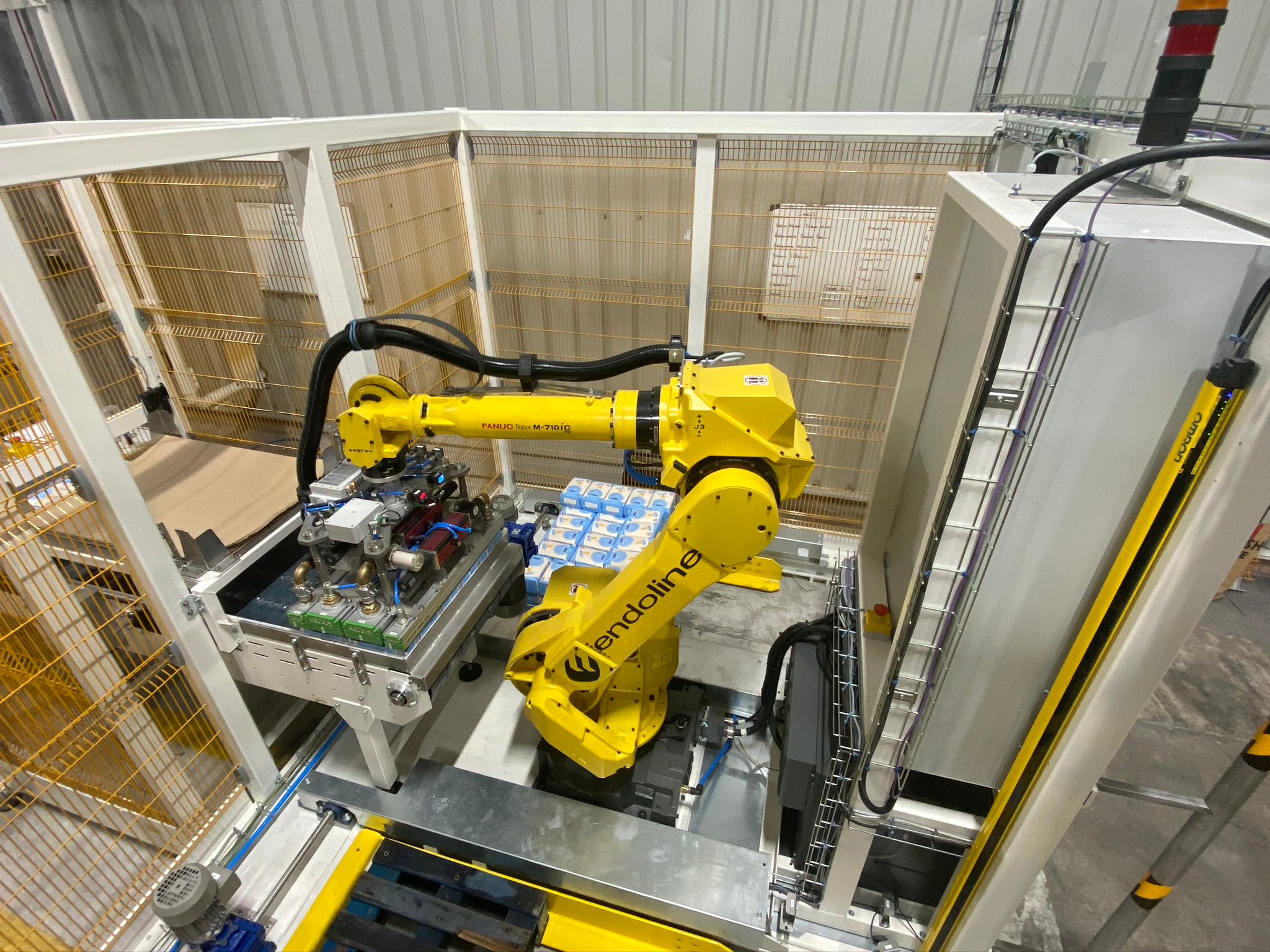
The project includes new baking lines, automated equipment, robotic packing and additional cold storage. It is expected to create 15 full-time-equivalent jobs and retain 55 existing positions.
Those employment figures relate specifically to Picnic Foods. They should not be presented as the combined employment outcome for all three companies.
Pastry products can be challenging to handle automatically because their size, shape and surface condition may vary after baking. Some are also fragile and can be damaged by inappropriate gripping or transfer.
Robotic packing is most effective when product presentation, gripping and destination placement are sufficiently predictable for the intended application.
The integration may require conveyors, sensors, end-of-arm tooling and suitable guarding, although the government announcement does not identify the specific robots being installed.
Automation also creates maintenance and training requirements. Employees must be able to recognise faults and keep equipment operating safely while preserving product handling and hygiene standards.
Across all three factories, the cold chain is important because extra line capacity must be supported by the ability to hold products in the appropriate conditions before distribution.
Similarly, energy supply, ingredient deliveries and packaging materials all influence actual manufacturing throughput. Capacity increases can only be realised if the supporting systems function together.
The A$21.6 million headline figure is the combined investment associated with the projects. It should not be characterised as the amount of direct grant funding paid by the Victorian Government.
The government is supporting the projects through its manufacturing programmes, but the source announcement does not provide a fully disaggregated public contribution for every site.
The investment is associated with plans to supply domestic and export markets. Actual additional exports will depend on commissioned capacity, commercial demand and customer arrangements.
Victoria’s food and fibre sector is economically significant, but the broader sector’s export value is not an output forecast for these particular manufacturers.
Each business will still need to install and validate its equipment, train staff and confirm production quality before the additional capacity is fully available.
The verified development is a set of defined food-factory expansion projects with identifiable sites and technologies, rather than completed commissioning of every announced machine.