IN Brief:
- Pınar reports that the second-phase puff pastry equipment has been installed and production has started.
- The 16 October exchange filing identifies the overall Turgutlu bakery investment as complete across both phases.
- The company has not disclosed the new line’s output capacity, capital expenditure or operating utilisation.
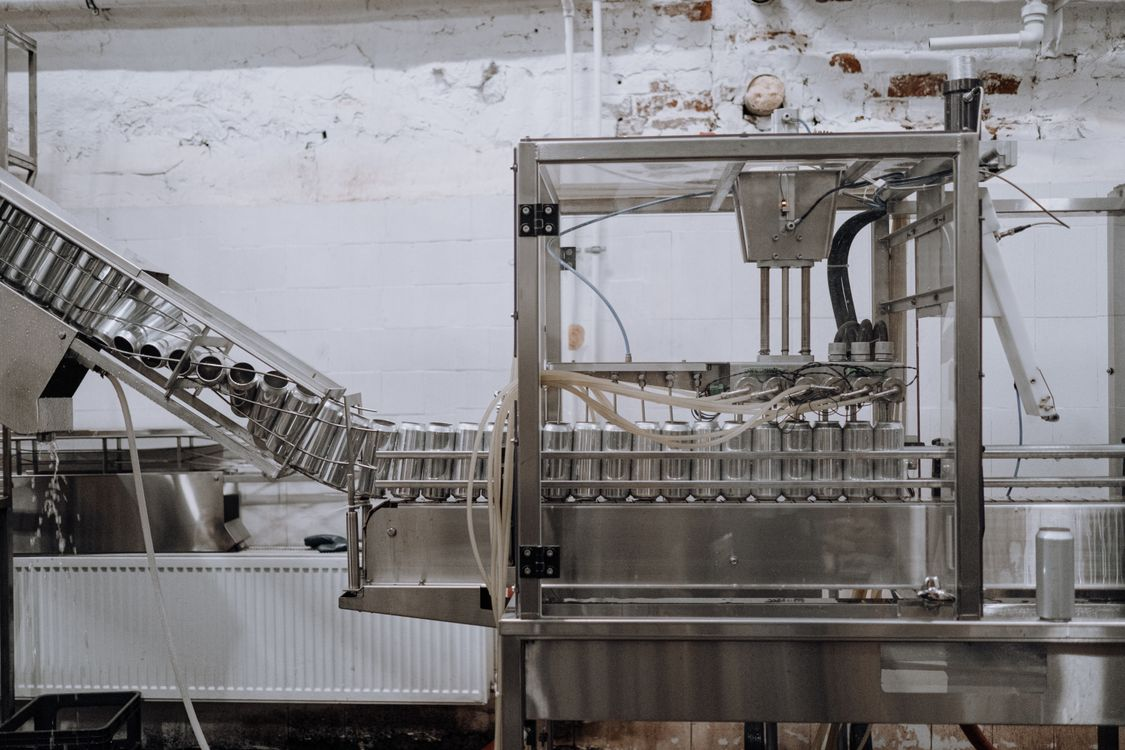
Pınar Entegre Et ve Un Sanayii has started production on a new puff pastry line at its Turgutlu Bakery Products Facility in Türkiye, completing the second phase of an investment programme that the company now describes as finished. Its stock-exchange notification dated 16 October confirms that installation of the machinery was completed during October and that production has begun. The statement establishes an operational milestone rather than another proposal to expand manufacturing capacity.
The disclosure identifies the puff pastry equipment as the second phase of the bakery project and says both phases are complete. It updates an earlier announcement dated 29 December 2025. No investment total, rated line capacity, production volume, commissioning yield or equipment supplier is specified in the October notification. Those omissions are important when assessing the scale of the change: the company has confirmed that it can manufacture on the installed line, but not how much additional product it expects to supply.
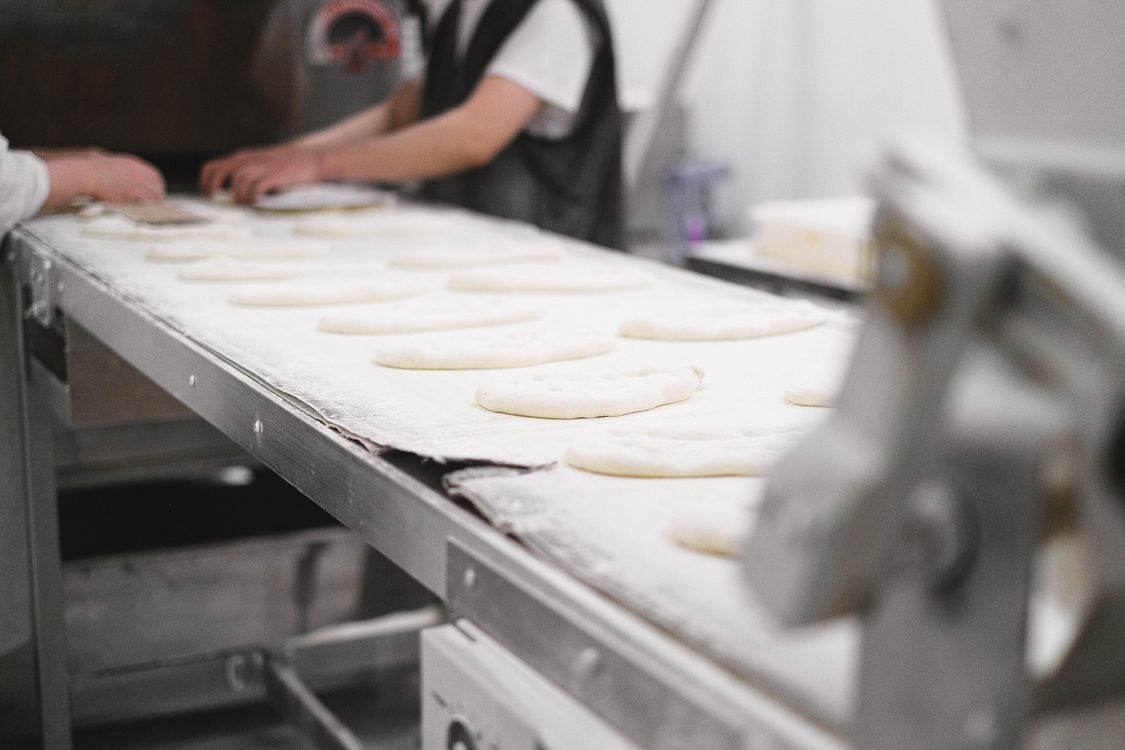
Puff pastry is produced from laminated dough in which successive layers of dough and fat are formed without merging into a uniform mass. During baking, water vapour expands between those layers, giving the pastry its characteristic rise and structure. Dough temperature, fat consistency and repeated mechanical reduction therefore affect the finished product. The completion notice establishes that Pınar has installed a puff pastry production line, but it does not identify the lamination machinery, the number of folds or the range of products now being made at Turgutlu.
Industrial pastry lines commonly bring together dough preparation, fat incorporation, sheeting, folding and gauge reduction before cutting or forming. Maintaining consistent dough thickness and controlled product temperature allows subsequent operations to handle portions predictably. Excessive warming can soften the fat and reduce the separation between layers, while poorly controlled sheeting or transfer can distort the laminate. The extent to which those stages are automated at Turgutlu, and whether the new line includes integrated chilling or downstream forming equipment, has not been specified.
Ingredient control and traceability remain necessary after the mechanical installation is complete. Bakery operations must reconcile flour and fat deliveries with recipes, batch identification and finished product records, while controls for ingredients containing wheat, milk or other declarable allergens depend on the actual formulation. Cleaning access and verification also affect the practical length of production changeovers. These are established requirements of industrial bakery production, not a claim that the Turgutlu investment includes a particular weighing system, allergen-control programme or newly awarded food safety certification. None has been described in the disclosure.
Where puff pastry is destined for chilled or frozen sale, subsequent cooling, packaging and storage conditions become part of the specification. Pack integrity protects the product from moisture gain and physical damage during distribution, while storage temperatures affect texture and shelf life. The new statement does not say whether Turgutlu will supply chilled, frozen, ready-to-bake or other formats. It also does not disclose whether the second-phase equipment feeds existing packing and logistics systems or introduces separate end-of-line machinery.
The October notification states that the facility has commenced production following installation of the second-phase machines. It does not state that the new line has attained design speed, achieved continuous running or reached a specified level of saleable output. Initial production can involve checks on dough temperature, portion weight, product dimensions, packaging compatibility and line stoppages before routine operating schedules are established. No commissioning yield, ramp-up programme or utilisation figure has been reported. The distinction between starting production and reaching stable output therefore remains unresolved in the company’s public information.
Pınar’s investment was divided into two phases, both of which the company now says have been completed. Sequential equipment installation can affect when utilities, staff training and production flows become available, but the filing gives no engineering rationale for the staging. Neither the earlier phase’s detailed configuration nor any change to existing production processes has been established by the October update. The confirmed achievement is the completion of the specified investment programme and the introduction of puff pastry production at the Turgutlu bakery facility.
The scale of additional bakery supply will become measurable only when Pınar reports production volumes, rated capacity or financial contributions from the new equipment. The filing provides no basis for estimating incremental tonnes, revenue, unit costs or savings. It also does not identify the sales channels that will handle the output. The distinction is material to assessing a line expansion: a factory can start making a product before its overall capacity, product mix and commercial utilisation are visible. As at 16 October, the company’s documented milestone is installation completed and production started, with both investment phases finished.