IN Brief:
- Tan-Viet VIFON signed an agreement on 16 October for an eight-hectare site near Verdun.
- The initial €20m proposal includes a food processing plant, administrative headquarters and logistics facilities.
- The project remains at land-acquisition stage; the company has not announced construction completion or a production start.
Vietnamese food manufacturer Tan-Viet VIFON Group has signed an agreement to acquire an eight-hectare site near Verdun in north-eastern France for a proposed food processing factory and logistics complex. The agreement, signed on 16 October, forms the basis of an initial €20m investment in the Meuse department. It is a land and project milestone: construction has not been reported as complete, and the company has not announced a start of food production at the French site.
The project will be carried out through VIFON FRANCE SAS, established in September 2026, at the Les Souhesmes business park. The approximately 80,000-square-metre plot is intended to accommodate an administrative headquarters, manufacturing operations and a logistics system for storage and distribution across France and the European Union. The stated investment figure is an initial commitment rather than a confirmed final construction cost. No building footprint, production line count or engineering contractor has been identified in the available announcement.
VIFON plans to produce Vietnamese-style noodles, rice vermicelli and other processed foods at the French operation. The proposed manufacturing role would add local production to the group’s existing European commercial activities, rather than merely expanding warehousing for imported goods. VIFON has sold internationally for decades and has maintained a presence in Poland for more than 30 years. The Verdun investment would consequently add a French production base to an established distribution network, although the company has not disclosed which existing products would move to French manufacture or their intended annual volumes.
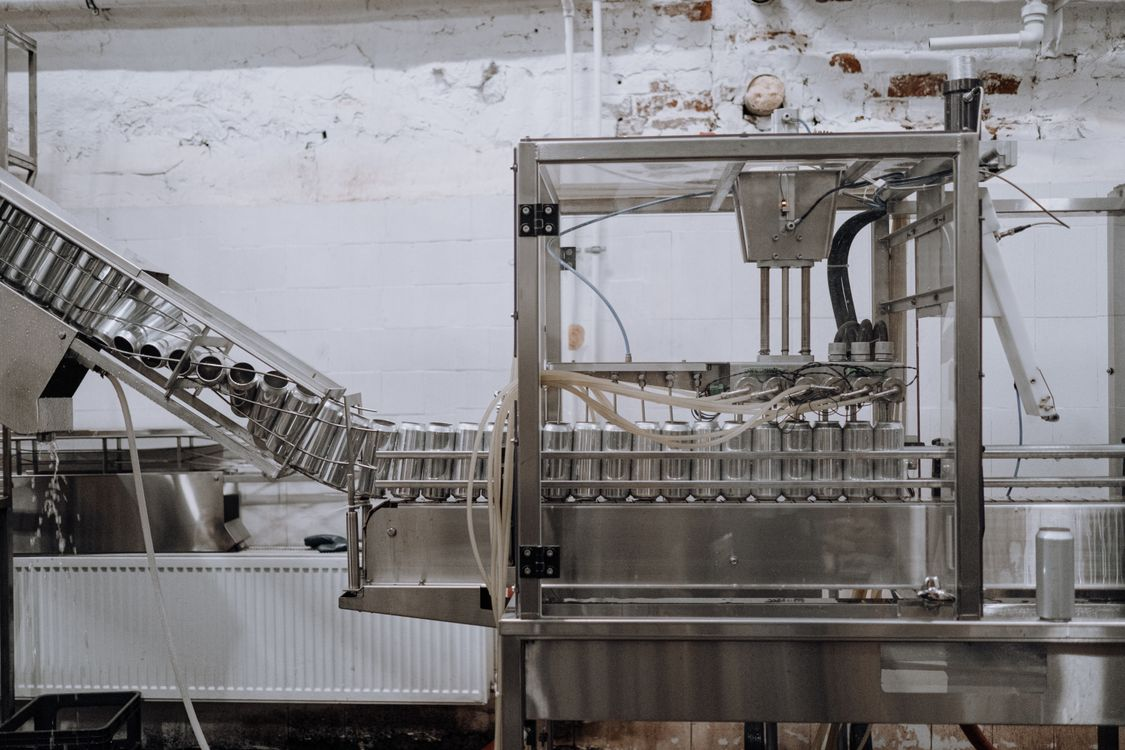
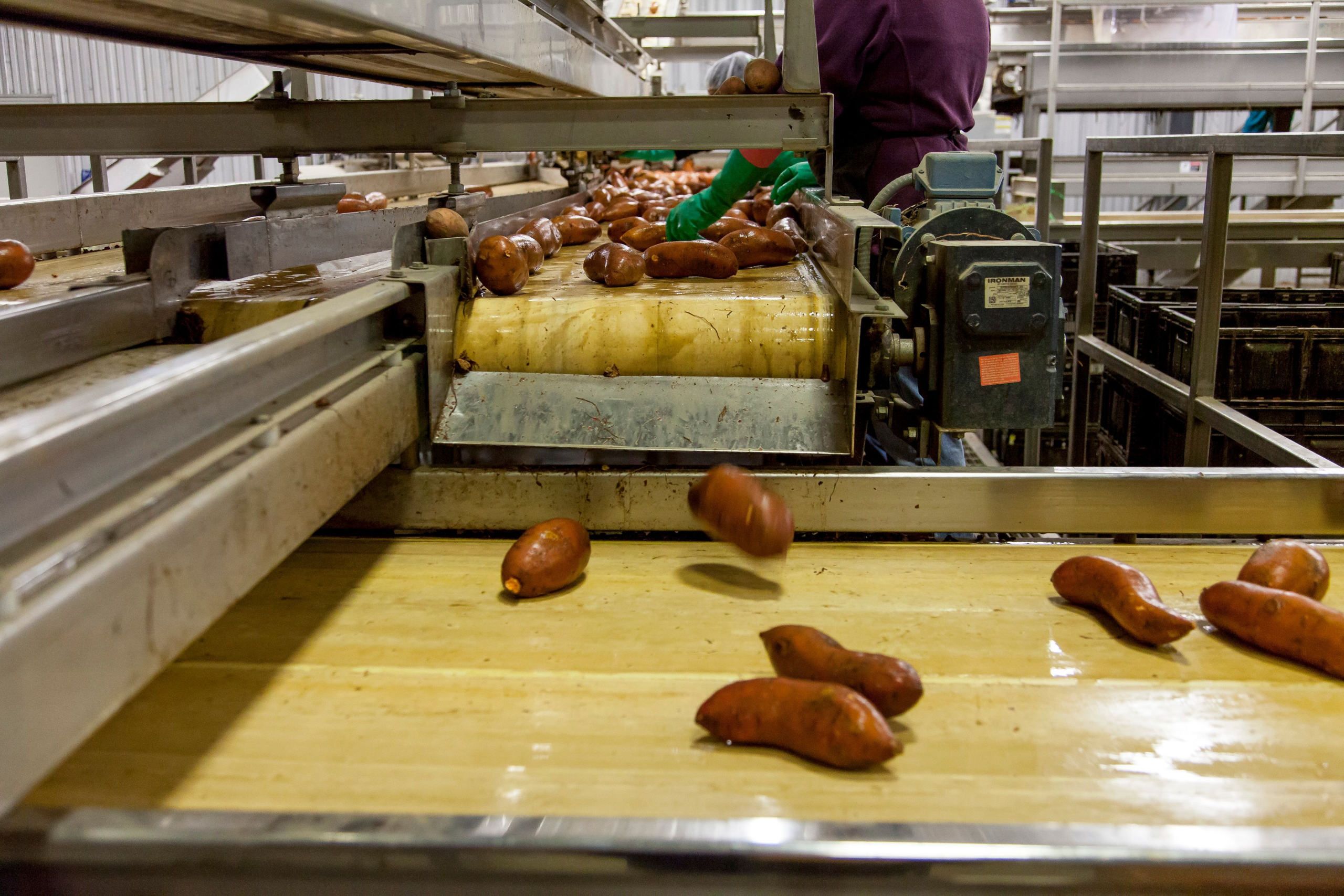
Noodle and vermicelli lines require controlled preparation of dry ingredients, water addition, dough or slurry formation, shaping and, depending on the product, cooking, steaming or drying before packing. The product’s moisture profile affects texture, resistance to breakage and storage stability, while transport through shaping and thermal stages needs to avoid inconsistent residence times. Machinery configuration depends on whether the output is dried, instant, chilled or another format. VIFON has not disclosed its intended French production formats or selected equipment, making any specific capacity or process flow diagram premature.
An on-site logistics hub is part of the announced investment, alongside manufacturing and an administrative base. Ingredient deliveries, packaging supplies and finished goods dispatch will need to be coordinated with production so that warehouse occupancy and vehicle movements do not interrupt the processing schedule. A shared location could shorten transfers between manufacture and distribution, but no automated storage systems, picking technology, cold storage or freight contracts have been specified. The eight hectares describe the acquired land area, not the constructed factory footprint, processing floor space or effective warehouse capacity.
Local manufacturing would also change several compliance and quality control arrangements. Food produced within the EU must meet applicable food safety, labelling and traceability requirements, with controls reflecting the materials and processes actually used. Noodle products may involve wheat or other allergens, making ingredient segregation, cleaning verification and label accuracy important design considerations. The French company has not announced its certifications, inspection arrangements or packaging material specifications; those elements remain matters for subsequent project execution rather than accomplished facts.
VIFON established direct partnerships with French retail groups Carrefour and E.Leclerc in 2026, according to reporting surrounding the agreement, while local authorities have pointed to the transport connections and industrial workforce of the Meuse area. These relationships provide possible sales and distribution routes but do not amount to confirmed orders from the proposed Verdun plant. The company has not specified the share of production intended for French retailers, foodservice operators or customers elsewhere in the European Union. Actual manufacturing and dispatch plans will determine how those markets are served.
The location near Verdun places the project in the Grand Est region, where a plant serving continental markets would need dependable road logistics and appropriate utilities. Food manufacturing places demands on water supply, process heat, ventilation and wastewater management that vary considerably with product and process choice. Project approvals, connections and operating conditions will shape the final engineering specification. The announcement does not contain a construction programme, commissioning date or employment commitment against which progress can yet be measured.
The signed document concerns the transfer of land, with construction, equipment procurement, commissioning and production still ahead. Neither the French manufacturing capacity nor an opening date has been confirmed, and the initial €20m figure should not be treated as a completed spend. The project will need to establish its process configuration, utilities, permissions and delivery timetable before output can be assessed. The 16 October agreement nonetheless fixes the planned location and industrial purpose of the investment: a food factory and logistics centre near Verdun, rather than a distribution-only operation already in service.