IN Brief:
- W. Stevenson & Sons was fined £100,000 and ordered to pay £27,906 costs at Truro Crown Court on 15 October 2026.
- Apprentice engineer Conor Moseley died in November 2019 when an unexpectedly activated suppression system filled a trawler engine room with toxic gases.
- HSE identified inadequate coordination of contractors and ineffective emergency planning, distinguishing those failures from the system activation itself.
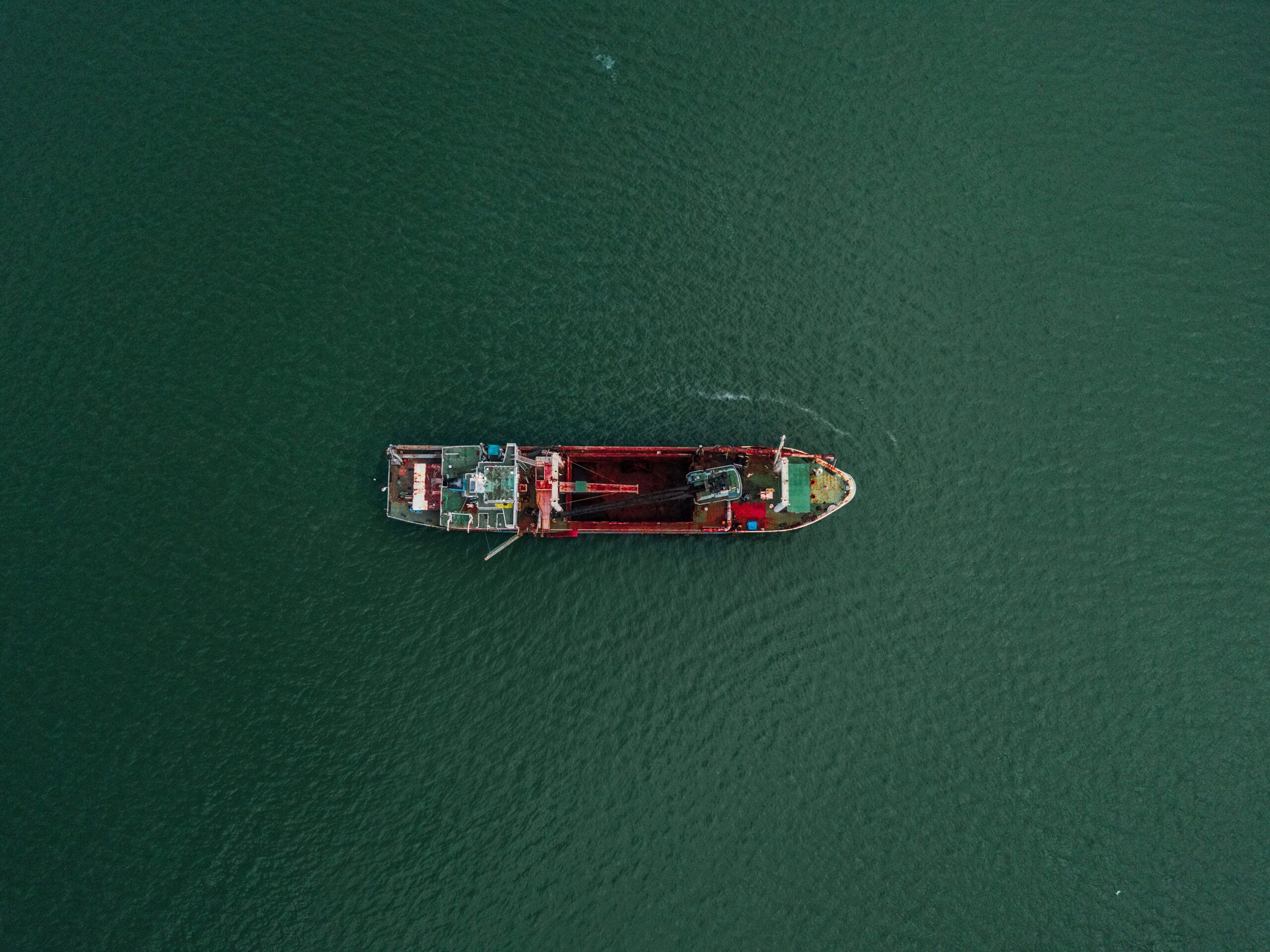
W. Stevenson & Sons has been fined £100,000 after an apprentice engineer died during maintenance work aboard the fishing vessel Resurgam at Newlyn Harbour. At Truro Crown Court on 15 October 2026, the Cornish fishing company pleaded guilty to two offences under the Health and Safety at Work etc. Act 1974 and was ordered to pay £27,906 in costs. The prosecution followed an investigation by the Health and Safety Executive into the death of 20-year-old Conor Moseley on 15 November 2019.
Moseley was working with three other people in the trawler's engine room while Ocean Engineering (Fire) Ltd installed a fire suppression system. The system activated unexpectedly, releasing hot, toxic gases into the enclosed space. According to HSE, Moseley was overcome by carbon monoxide and other substances and could not escape. His colleagues managed to leave and attempted to rescue him, but the conditions prevented them reaching him. Cornwall Fire and Rescue Service subsequently recovered him from the engine room; he could not be revived.
The engine room had one means of entry and exit, requiring workers to use a ladder and pass through a hatch. During the incident, those attempting to escape had to pass through a gas jet hotter than 75°C. An escape route that could normally be used one person at a time became difficult to negotiate when visibility fell and the atmosphere became hazardous. The HSE investigation therefore addressed the conditions in which the maintenance was organised as well as the effects of the release.
Several parties were carrying out work in the restricted machinery space. HSE found that W. Stevenson & Sons had not established a suitable system for coordinating the activities of the different contractors or an effective emergency plan for the work. Its findings focused on shared risks, responsibilities and practical means of evacuation and rescue, including how workers could be reached quickly enough to receive medical assistance if an emergency occurred.
HSE said W. Stevenson & Sons was not responsible for the suppression system unexpectedly discharging, although the company still had legal duties to protect workers during the installation. The company's responsibility concerned assessing what could go wrong while installation and maintenance tasks took place, ensuring the work was coordinated and planning for the consequences of an emergency. The guilty pleas and sentence relate to those safety-management failures rather than a finding that the company deliberately triggered the discharge.
A vessel engine room presents particular difficulties for maintenance planning because engines, electrical equipment, pipework and fixed safety systems occupy a confined space that may have limited escape routes. Work by separate specialists can interact even when each individual task appears routine. Isolation procedures, sequencing and shared instructions need to account for systems being installed or tested while other personnel are present, especially where unexpected operation could change the working atmosphere or obstruct access.
HSE highlighted the value of planning arrangements that specify who is responsible for coordinating different contractors and what emergency response will be available. A permit-to-work approach can record the scope of a hazardous task, the precautions needed and the conditions under which it may proceed. In a space reached through one narrow opening, however, a written plan also has to reflect the physical means of getting people out. Rescuers must not be expected to enter an atmosphere that could incapacitate them without suitable protection and arrangements.
The case arose within the fishing fleet rather than at a fish-processing factory, but vessel maintenance supports the continuity of seafood supply. Engineering work can happen alongside landing, unloading and turnaround activity, bringing external contractors into the port environment while a vessel is prepared for further operations. Trawlers depend on mechanical and electrical systems that must be serviced in ports, often by contractors with different specialist skills. Coordination becomes particularly important where routine engineering work takes place alongside the installation or modification of protective equipment, as it did aboard the Resurgam.
HSE principal inspector Helena Allum said the case required specialist and scientific investigation and emphasised the duty to consider foreseeable problems during shared work. The regulator also published a statement from Moseley's mother, Tracy Moseley, describing the impact of her son's death. The sentence on 15 October concludes the prosecution outcome reported here, seven years after the fatal event. It provides a specific example of the consequences of poor contractor coordination and emergency preparation during maintenance in a restricted working space.