IN Brief:
- Sainsbury's expects more than 2,000 new or improved products during its current financial year.
- Its Discovery prepared meal range is expected to exceed 200 products, while Full on Fibre now includes more than 750.
- By the end of 2026, the retailer aims to have 60% of products in specified fresh food categories covered by long-term supplier agreements.
Sainsbury’s expects to deliver more than 2,000 new or improved food products during its current financial year, combining recipe development with changes to its own-label ranges. Its interim results, published on 22 October, also set out longer supplier agreements intended to support investment in food production and improve the resilience of the retailer’s fresh food supply.
The supermarket group reported grocery sales of approximately £13.2 billion in the 28 weeks to 12 September 2026, an increase of 2.9%. Fresh food sales rose 4.3%, while underlying operating profit from continuing operations increased 3.6% to £525 million. The figures reflect retail performance rather than a stated increase in manufacturing output.
Sainsbury’s describes the product programme as its largest to date. The target includes both newly introduced products and changes to established ranges, so it should not be interpreted as 2,000 entirely new stock keeping units already in production. Nor does the announcement establish that the retailer has commissioned the same number of new factory production lines.
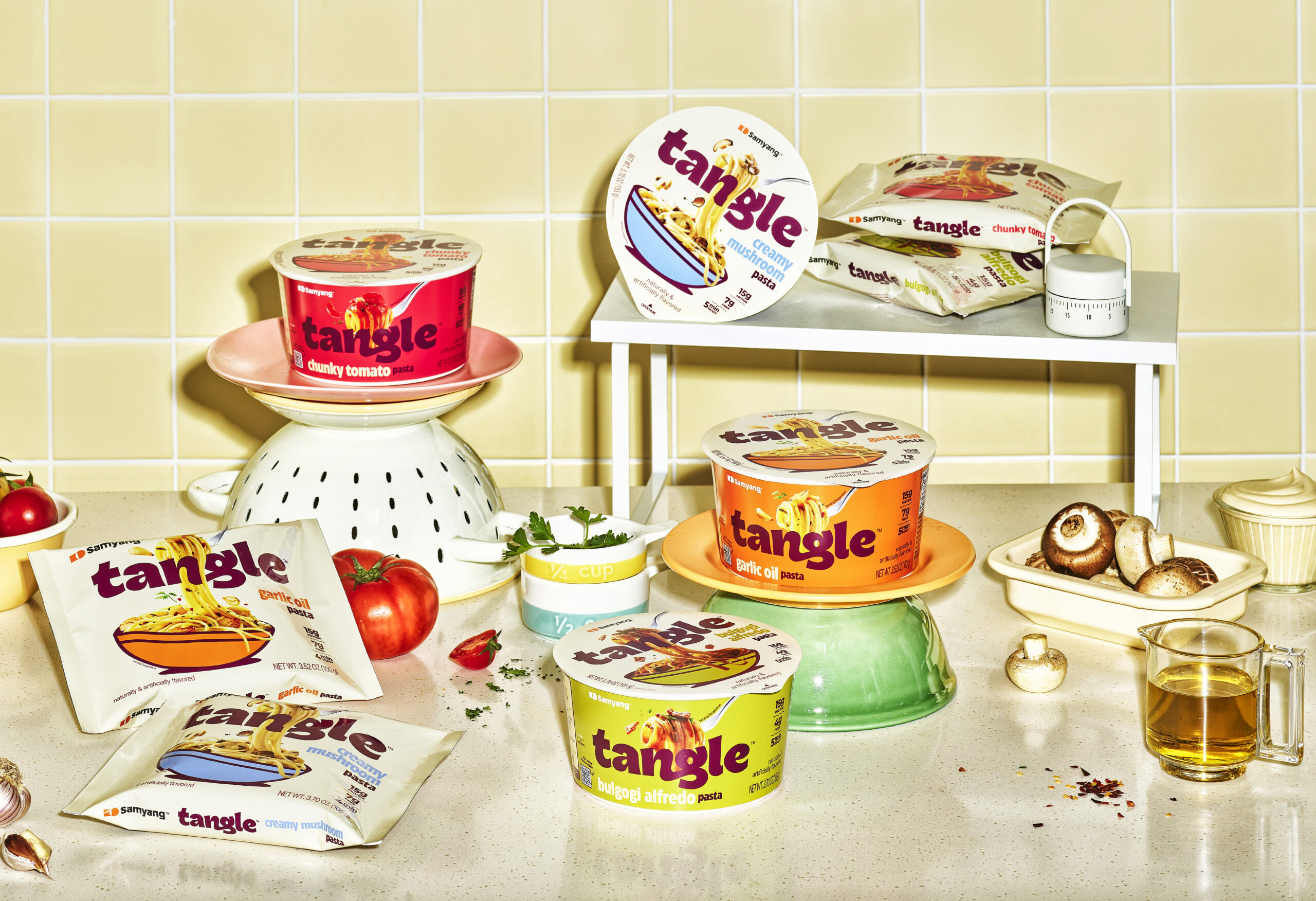
One area of development is Taste the Difference, where sales grew by more than 6% during the half year. The Discovery prepared meal range has doubled during 2026 and is expected to exceed 200 products by year-end. The retailer identifies barbecue and Italian meals among the categories receiving additional products.
Prepared meal development requires a combination of food formulation and production engineering. Recipes may differ in cooking requirements, portion sizes, packaging formats and chilled storage conditions. A supplier moving from a laboratory or pilot recipe to regular manufacture must establish processes that produce consistent quantities and satisfy the required safety and quality specification.
The number of products listed in a retail range is not the same as the volume being manufactured. Additional lines may serve relatively small demand, while existing successful products may account for much larger production runs. The half-year statement does not identify the manufacturers behind individual Discovery products or disclose new equipment installations connected with the range expansion.
Sainsbury’s is also expanding its Full on Fibre offer, now comprising more than 750 products. The programme includes innovation and reformulation intended to broaden the availability of foods providing more dietary fibre. The company does not publish a common recipe, ingredient type or fibre level applying to every product in that range.
Different fibre ingredients affect manufactured foods in different ways. Some influence water retention and viscosity, while others can change dough handling, texture or stability. Those considerations vary between bakery products, sauces and prepared meals, and must be assessed against the intended finished product. The retailer’s report does not establish which formulation changes its suppliers made or whether any required new machinery.
The supplier relationships described in the results provide another industrial connection. By the end of 2026, Sainsbury’s expects 60% of products across fresh produce, dairy, meat, fish and poultry to be covered by long-term commercial agreements. That figure is a target for defined food categories, not a statement that 60% of every product sold by the company already has a long-term contract.
Longer purchasing arrangements can give producers greater visibility of future demand, which may affect decisions about equipment, facilities and growing capacity. Their value depends on the actual contract terms, volume commitments and risks allocated between retailer and supplier. The company has not disclosed the financial terms of individual agreements included in its reported target.
A named example is a new ten-year partnership with Thanet Earth. Sainsbury’s says the arrangement supports investment in glasshouse capacity and technology, with the intention of providing British-grown cucumbers to shoppers during winter for the first time through that relationship.
Glasshouse growing depends on controlled environmental conditions, crop management, harvesting and packing. Extending seasonal supply can place demands on energy, labour and packing arrangements as well as the production of the crop itself. The announcement does not provide the value of the Thanet Earth agreement, the planned additional cucumber tonnage or a list of the equipment covered.
Sainsbury’s also reports measures intended to maintain availability through difficult weather. Investment in refrigeration, technology and stores formed part of its wider operational work, while it claimed better fresh food availability than selected competitors during challenging heatwave weeks. These are measures of retail operations and product availability, not evidence that a food supplier has increased the productivity of a particular factory.
The company continues to work with farmers and growers on resilience and sustainable production practices. Its extended Woodland Trust partnership includes measures supporting agroforestry. Such programmes concern the upstream food system and should not be presented as manufacturing improvements at named processing sites.
For industrial suppliers, the combined product development and sourcing programme may influence specification management, capacity planning and commercial investment. However, the announcement confirms intentions and retailer-level measures rather than completed physical expansions throughout the supply base.
The next measurable commitments are the more than 2,000 new and improved products expected over the financial year, the expansion of Discovery beyond 200 products and the end-of-year target for long-term fresh food agreements. Evidence of manufacturing outcomes will depend on subsequent supplier announcements, installed equipment and output data.