IN Brief:
- Testing detected Salmonella Enteritidis in three pooled egg samples from one Ukrainian producer.
- Whole-genome sequencing placed all nine isolates in strain t5.8998, distinct from the wider t5.9411 outbreak.
- The associated human cluster contains 78 confirmed cases, of which 40 were reported in 2026.
The UK Health Security Agency has identified Salmonella Enteritidis strain t5.8998 in eggs imported from Ukraine and associated the same genetic strain with a cluster of human infections in England and Wales. The nine bacterial isolates recovered from three positive pooled egg samples are genetically distinct from strains involved in a separate imported-egg outbreak under investigation.
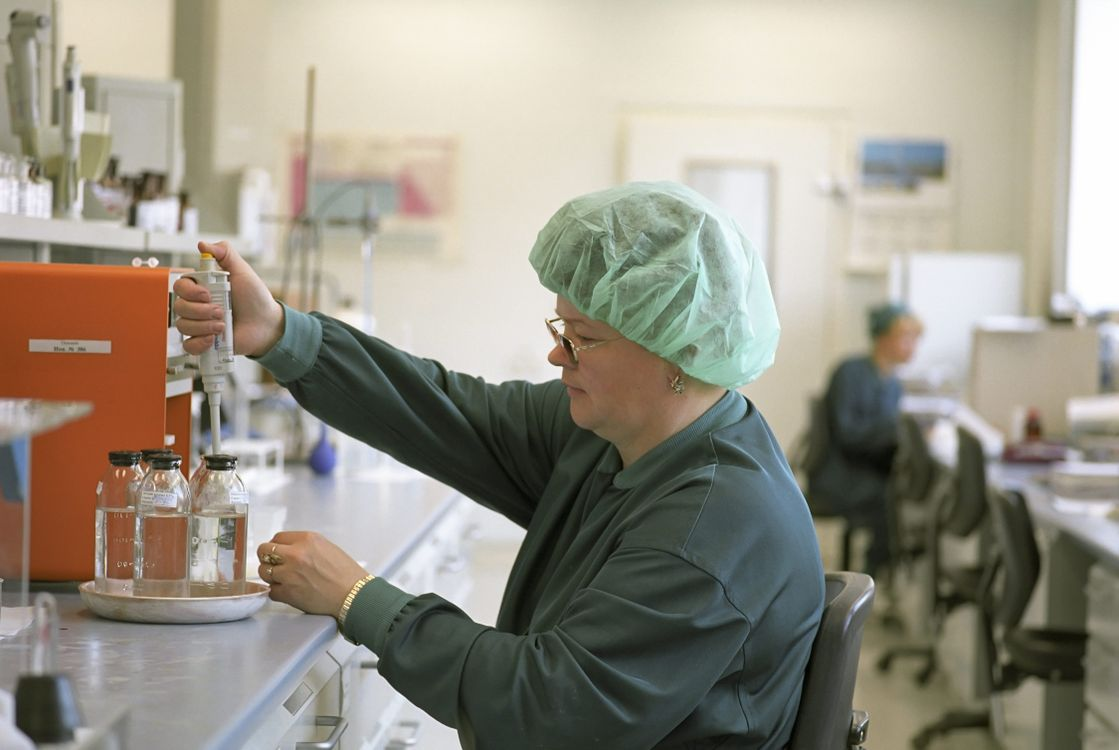
The samples came from a single Ukrainian egg producer. UKHSA tested nearly 3,000 imported eggs during its wider investigation and detected Salmonella Enteritidis in three pooled samples, each containing six eggs. Three isolates from each positive sample were examined by the reference laboratory. Whole-genome sequencing confirmed on 8 October that the nine isolates had the same designated genetic address.
By 13 October, UKHSA had identified 78 confirmed human cases in the t5.8998 cluster, with specimen dates from 17 December 2024 to 26 September 2026. Forty cases were reported in 2026. These figures cover infections detected over an extended period and provide the historical scale against which the newly identified egg isolates are being investigated.
England accounted for 76 cases and Wales for two. Among the cases in England, 32 were in London and 24 in the East of England. Patient ages ranged from infancy to 99 years, with a median of 30. Most cases were not associated with international travel, supporting continued investigation of possible domestic exposure through the food supply chain.
Six of the confirmed cases formed a local outbreak associated with a Yorkshire and Humber restaurant in June 2026. The restaurant used non-UK eggs in some dishes, providing investigators with a possible foodservice exposure route. Consumption and supply records from that incident form part of the evidence needed to understand how the strain reached people elsewhere in the cluster.
UKHSA is also investigating t5.9411 and related Salmonella Enteritidis clusters associated with imported eggs. Whole-genome sequencing separates t5.8998 from those lineages even though the bacteria share the same serovar. The strains are not closely genetically related, and investigators are still examining whether the food supply chains or exposure histories behind the two investigations overlap.
The egg findings can be compared with sequences from clinical cases, while records of egg movement and preparation can identify where contaminated stock might have entered distribution. Genetic matching strengthens the connection between a food isolate and the human-case cluster. Traceability information and interviews are needed to identify the particular consignments, premises and exposure routes involved.
The Food Standards Agency issued a Food Alert for Action on 10 October covering eggs from Ukrainian producer Yasensvit Ltd bearing shell code 3UA1012066. The affected stock must be withdrawn and recalled where applicable. The shell code helps identify eggs that may have passed through different wholesalers or been repacked, when the branding on an outer carton no longer matches the original producer.
The alert applies to businesses including wholesalers, manufacturers and caterers, as well as consumers who may have bought the eggs from smaller shops. The FSA has said that affected eggs are primarily associated with catering distribution rather than major supermarket supply. UK-produced eggs are not part of the identified alert. The authority continues to work with local officials and other agencies to check withdrawal and recall action.
Wholesalers, manufacturers and caterers handling shell eggs must check product codes against the alert and use traceability records to locate affected deliveries. Segregation and withdrawal at each point in the chain must be followed by notification to downstream customers where relevant. The records need to connect received batches with onward dispatches even when a business has broken down or repacked the original consignment.
Each of the three positive laboratory pools contained six eggs, and three isolates from each pool were sequenced. Testing the individual isolates established that all nine belonged to t5.8998. Comparison with clinical sequences can then establish which human cases belong to the same genetic cluster, while further investigation determines which food-chain contacts are epidemiologically linked to exposure.
The case count for 2026 has also changed between public health reporting points. The FSA’s initial communication referred to 36 cases in England, while the later UKHSA update recorded 40 cases during 2026 and identified 78 in the full historical cluster. The figures reflect their respective dates and reporting periods; the current investigation relies on the later laboratory and case information.
The producer-specific withdrawal remains in force while UKHSA and food safety authorities assess the genetic findings alongside distribution and exposure records. Identifying the same strain in eggs and patients provides a basis for tracing the affected food chain, while comparisons with the separate t5.9411 investigation continue. Complete withdrawal depends on the stamped producer code being recognised and acted upon throughout egg distribution and catering supply.