IN Brief:
- Ross Companies is investing £3.6 million in manufacturing capacity and refurbished premises near Ahoghill, with 25 additional jobs planned over three years.
- The company supplies conveyors, filtration, fabrication, and maintenance services to food and drink production as well as other industrial sectors.
- Invest Northern Ireland has offered £125,000 towards recruitment; the workforce is projected to grow from 29 to 54 employees.
Ross Companies is investing £3.6 million to increase engineering manufacturing capacity in Northern Ireland, expanding the supply of fabricated equipment and industrial filtration systems to customers in food and drink production and several other sectors. The Ballymena-based company is developing recently acquired and refurbished premises near Ahoghill and expects to create 25 jobs over three years.
The programme will bring additional manufacturing processes in-house while supporting further development of the company’s filtration products. Invest Northern Ireland has offered £125,000 towards the new positions, which cover engineering, production, and management. Ross Companies expects its workforce to rise from 29 to 54 employees as the investment progresses, alongside its plans to expand sales across Great Britain and Ireland.
Founded in 2017, the business moved from a maintenance-focused operation into the design, manufacture, installation, and servicing of industrial machinery. Customers include quarrying and aggregates, cement, animal feed, food and drink, waste, recycling, energy, and other manufacturing operations. The capital programme is spread across this wider industrial customer base. Its relevance to food processing comes through the equipment and services Ross Companies already supplies to manufacturers.
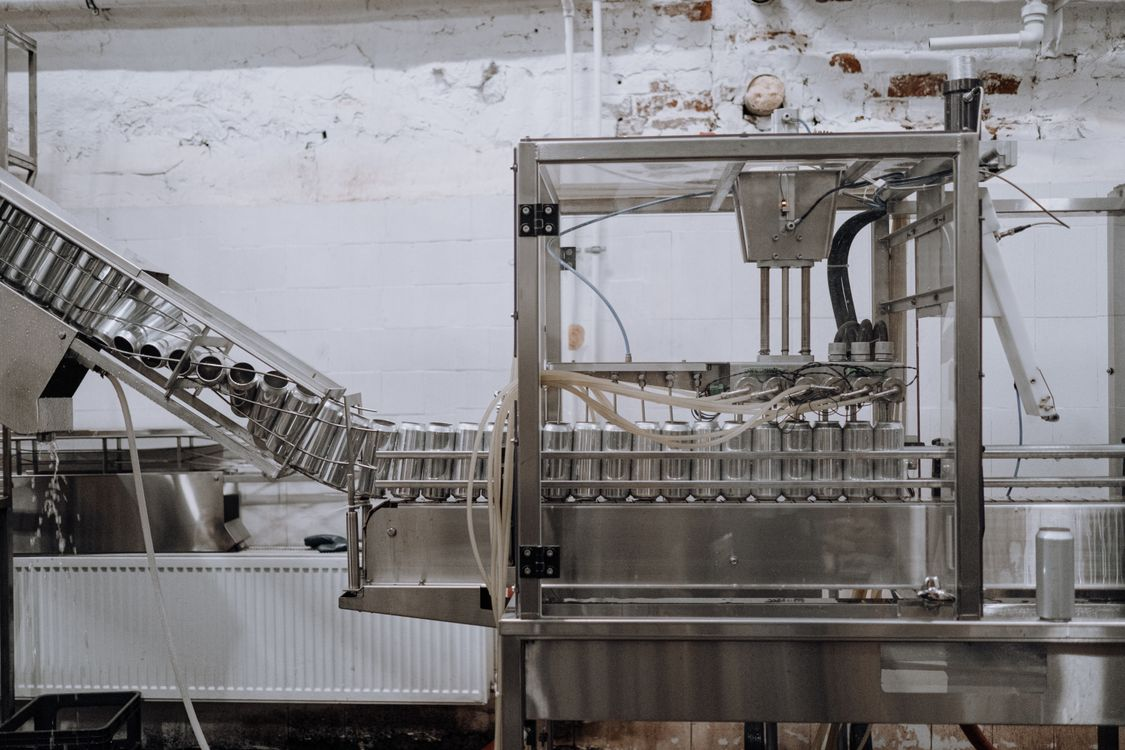
The supplier’s food and drink range includes flexible screw conveyors, pneumatic and mechanical systems for bulk solids, cable drag and chain drag conveyors, modular conveyors, hygienic handling equipment, and dust filtration. It also provides bespoke fabrication and planned or emergency maintenance. Food plants use these types of systems to move ingredients between receiving, storage, dosing, mixing, and packaging operations, with equipment selection governed by the material, layout, and required handling conditions.
Flexible screw conveyors move appropriate dry materials inside an enclosed tube by rotating a helical element, an arrangement suited to certain powders or granules across compact transfer routes. Pneumatic conveying uses an air stream to carry solids through pipework, while drag conveyors mechanically pull material along an enclosed path. Each configuration imposes different demands on product fragility, cleaning, throughput, and routing. These conveyor families are part of Ross Companies’ existing food and drink range; the new investment is directed at expanding its wider manufacturing capability.
In hygienic production environments, transfer equipment must be assessed for cleanability, retained product, and the separation of food from potential contamination sources. Dust controls address another part of handling dry ingredients: powder released at transfer points can affect housekeeping, worker exposure, and the operation of nearby equipment. The company’s existing portfolio includes filtration systems and conveyors for food and drink customers, making the development of its filtration range a relevant extension of its engineering capabilities.
The planned move towards additional in-house manufacturing also changes how fabricated assemblies can progress through the workshop. Ross Companies already offers design, cutting, folding, machining, welding, and mechanical fabrication. Bringing more stages into one operation can reduce the need to transfer intermediate components between external contractors, although the outcome depends on production scheduling and the new equipment installed. The stated programme concentrates on expanding capacity and the number of processes carried out within the Ahoghill operation.
Ross Companies’ filtration development addresses requirements that differ across applications. A dust extraction system must be matched to the characteristics of the material being captured and the operating airflow, while filter access and servicing arrangements affect sustained performance. Process environments in food production can also involve hygiene, moisture, and cleaning constraints. These operating parameters will shape the filtration products developed through the expanded engineering operation.
The business reports growth in turnover from £345,000 in 2019 to around £3.78 million and expects revenue to exceed £5 million within two years. That forecast sits alongside the concrete commitments to premises, production capability, and recruitment. William Ross, the company’s managing director, said demand for filtration and engineered systems had increased as customers sought more efficient operations and environmental compliance. The investment is intended to support those orders and extend the company’s geographic reach.
Recruitment will take place across several technical and management functions, adding capacity both to make engineered systems and to support their delivery. The existing work spans installation and maintenance in Northern Ireland, the Republic of Ireland, and Great Britain; an expanded manufacturing base can supply that service activity. The immediate commitments cover premises, staffing, manufacturing capacity, and the filtration product-development programme.
The three-year employment plan provides a timetable against which the expansion can be assessed. As Ross Companies incorporates further processes and develops its filtration range, the food and drink sector remains one of several industrial markets able to use its engineered equipment. The immediate investment is in manufacturing capability near Ballymena, rather than a new food production facility.