IN Brief:
- Europlant Potatoes UK Ltd has been established to coordinate the German breeding group’s British commercial activities, led by managing director James Paice.
- The business will focus on seed potato variety introductions, licensing, and relationships with growers, packers, and other industry partners.
- The company will present varieties at its 4–6 November Netherlands open days and attend the British Potato Conference on 18–19 November.
Europlant has established Europlant Potatoes UK Ltd to develop its British market for seed potatoes and protected varieties, appointing James Paice as managing director. The German potato breeding and marketing group intends to build closer relationships with growers, packers, licensees, and other commercial partners through the new local company.
The subsidiary consolidates existing UK commercial activity and provides a dedicated structure for introducing varieties, developing licensing arrangements, and supplying customer support. Europlant is expanding direct variety marketing in a market where it already has customers. Its immediate plans concern the availability and promotion of planting material and the management of breeding rights, rather than the construction of a potato processing plant.
Paice has held senior roles in British fresh produce and potatoes. As managing director he will lead the new operation’s contacts with growers, packers, and wider industry partners, drawing on the group’s international breeding and distribution network. Europlant is active in breeding, multiplication, and international marketing of seed potatoes, so the British company provides a local commercial point of contact within an existing supply system.
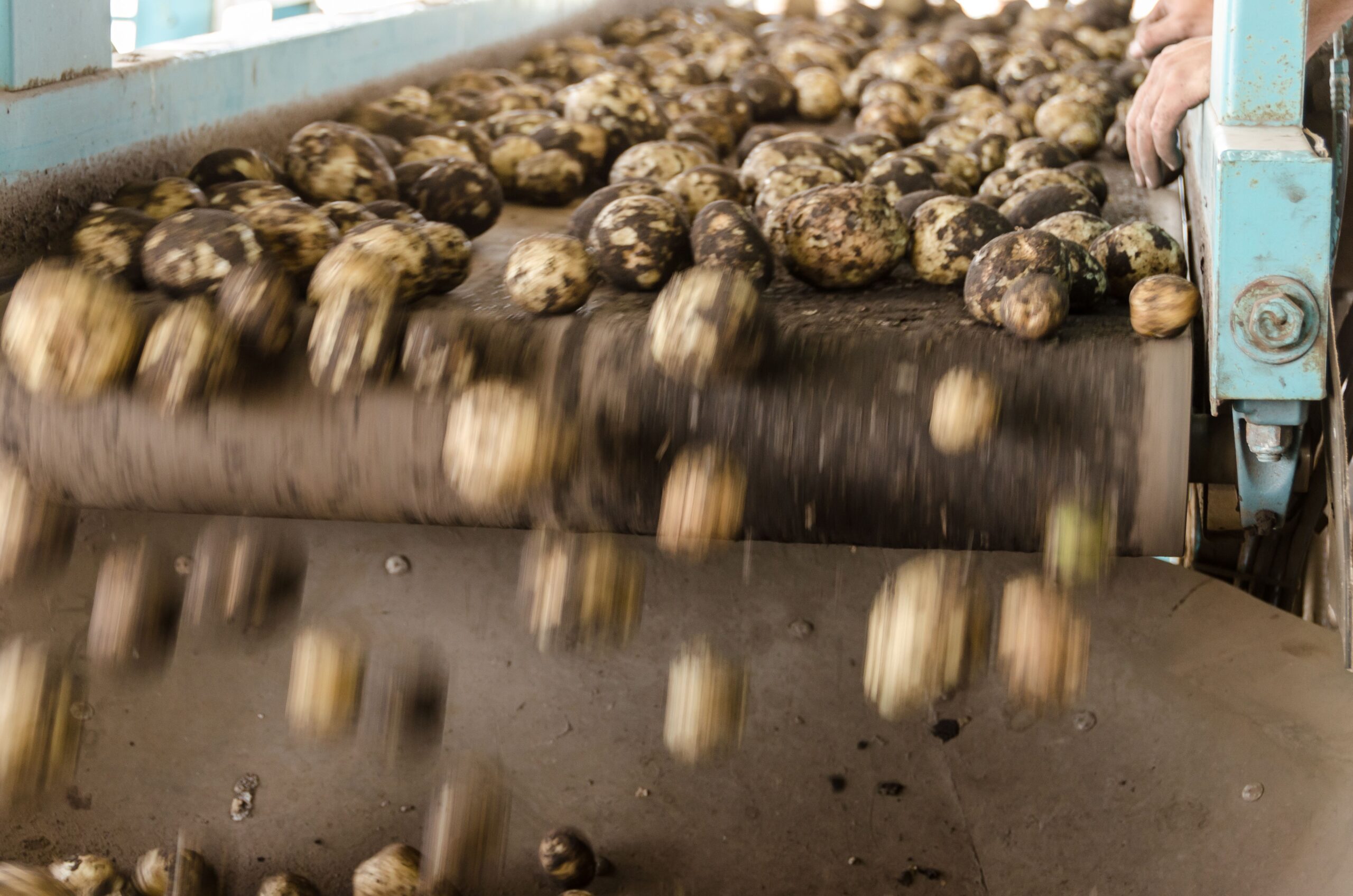
Potato processing requirements begin before a crop enters a factory. The chosen variety influences tuber size, shape, dry matter, cooking characteristics, and suitability for different finished products. Crisps, frozen chips, dehydrated potato ingredients, and fresh packed potatoes place different demands on raw material. Seed potato breeding and variety selection therefore connect upstream planting decisions with the characteristics that processors later require when buying and handling a crop.
Europlant’s published catalogue includes varieties specifically designated for processing. Virginia is listed as a medium-late variety for French fries, while Varuna is a medium-early processing variety suitable for mashed, flaked, and dehydrated products. The uses are identified in the company’s existing portfolio, not as newly launched British varieties. They illustrate why variety licensing and access to planting material can be commercially important to different segments of the potato industry.
Matching a variety with an industrial application involves more than its intended end product. Crop maturity affects harvesting plans, while tuber size distribution and storage behaviour influence the supply presented to a production line. Dry matter and cooking performance can influence processing outcomes, including texture and yield, although those results depend on the crop and operating conditions. A processor’s purchasing specification therefore informs growers’ variety decisions well before product manufacture begins.
Commercial seed potato supply also requires multiplication of suitable material before growers can plant sufficient acreage for a processing contract. Licence arrangements govern the use and marketing of protected varieties, and local relationships help connect the planting programme with downstream demand. The UK subsidiary has been established within that chain, bringing commercial management nearer to customers who plan production by season. The subsidiary will manage those relationships within the existing commercial seed supply chain.
Across its international business, the group markets varieties for fresh consumption, French fries, crisps, mashed and dehydrated products, and starch. That range allows different customers to assess varieties against their own requirements rather than treating potatoes as an interchangeable raw material. The group’s published processing assortment includes both well-established varieties and more recent additions. Licence agreements and seed supply decisions will determine which of these varieties reach British commercial customers.
The next scheduled activity is Europlant’s annual Open Days from 4 to 6 November 2026 at the Ten Brinke site in Creil, the Netherlands. Alongside established varieties, the group will present INA and FILIPA, both described for table potato markets. INA is associated with broad nematode resistance and yield characteristics, while FILIPA is a very early variety with an emphasis on marketable quality. Their presentation is a variety showcase, not confirmation that either has entered British processing contracts.
Europlant will then attend the British Potato Conference on 18 and 19 November at the Lincolnshire Showground, where Paice and colleagues are due to meet partners and discuss varieties. The events provide early opportunities to develop relationships under the new company structure as the industry plans future growing and supply cycles. The British conference will follow the Dutch showcase and provide a separate opportunity to discuss future supply requirements.
The subsidiary’s initial commercial work will focus on licensing, variety access, and support for growers and packers. Any subsequent impact on potato manufacturing will depend on which varieties British customers select, whether seed volumes become available, and how growers and processors adopt them. Those practical decisions will determine how the newly established UK business contributes to potato supplies for fresh, frozen, snack, and ingredient production.