IN Brief:
- Aleph Farms and Mottainai Food Tech each received a S$1 million Sustainable Protein Growth Stage Grant at a Singapore industry event on 28 October.
- Aleph is transferring cultivated beef manufacturing to partner Cell Agritech, while Mottainai uses pilot-scale solid-state fermentation to make ingredients from soy-processing okara.
- Grant funding is tied to development milestones; Aleph targets a 2027 Singapore foodservice launch, while Mottainai is developing further ingredient applications and scale-up work.
Aleph Farms and Mottainai Food Tech have each secured S$1 million in funding through Singapore’s 2026 Sustainable Protein Growth Stage Grant. The companies received their awards at the Asia-Pacific Agri-Food Innovation Summit on 28 October, with the money supporting separate approaches to scaling alternative protein production. The programme is run by the Bezos Centre for Sustainable Protein at the National University of Singapore and Enterprise Singapore, with support from the Bezos Earth Fund.
The scheme targets growth-stage technologies at readiness levels seven to nine, rather than early laboratory concepts. Its terms provide for awards of up to S$1 million, funded equally by the Bezos Earth Fund and Enterprise Singapore, and released in at least three tranches against agreed technical or business milestones over as long as 30 months. The programme also includes an equity component. Although both companies were named as recipients of S$1 million awards, those terms distinguish the funding commitments from money already spent on manufacturing assets.
Aleph Farms develops cultivated beef from animal cells, while Singapore-based Mottainai converts soy-processing residues into functional food ingredients using solid-state fermentation. The two production systems differ in their raw materials, operating conditions, and routes into existing food factories. Aleph’s work centres on transferring a controlled cell cultivation process to a manufacturing partner; Mottainai already operates pilot fermentation equipment and is developing ingredient applications that can be incorporated into conventional food production.
Aleph’s thin-cut beef product combines cultivated animal cells with a plant protein matrix to produce the structure of a steak. Cell cultivation takes place in controlled media, with the harvested material subsequently incorporated into the product. The company has described simplifying its process by initiating some cell differentiation during the first cultivation stage, reducing the need for a separate stage previously used to develop the required muscle and fat characteristics. That change is intended to reduce manufacturing steps and their associated costs, although commercial line economics have not been disclosed for the October grant.
The next phase involves transferring the process into production with Cell Agritech, Aleph’s contract manufacturing partner in Singapore. Technical transfer was under way before the awards, and the company has targeted a first-half 2027 launch through selected foodservice customers. Singapore granted regulatory clearance for its cultivated thin-cut steak earlier in 2026, allowing the company to work towards a commercial introduction. The clearance and the grant do not establish that Cell Agritech is already producing routine commercial volumes, and Aleph has not attached a new capacity figure to the award.
Partner-operated production places particular weight on the reproducibility of cell cultivation, harvesting, and final product assembly. The cell-growth stage must deliver material with the required characteristics before it can be combined with the plant matrix, while food safety and batch control have to be maintained as the process moves between facilities. Aleph has indicated that its initial sales will focus on a premium whole-cut format, with production expanding alongside demand. Its manufacturing arrangements also include technology transfer work outside Singapore, but the October grant is tied to the next phase of the Singapore programme.
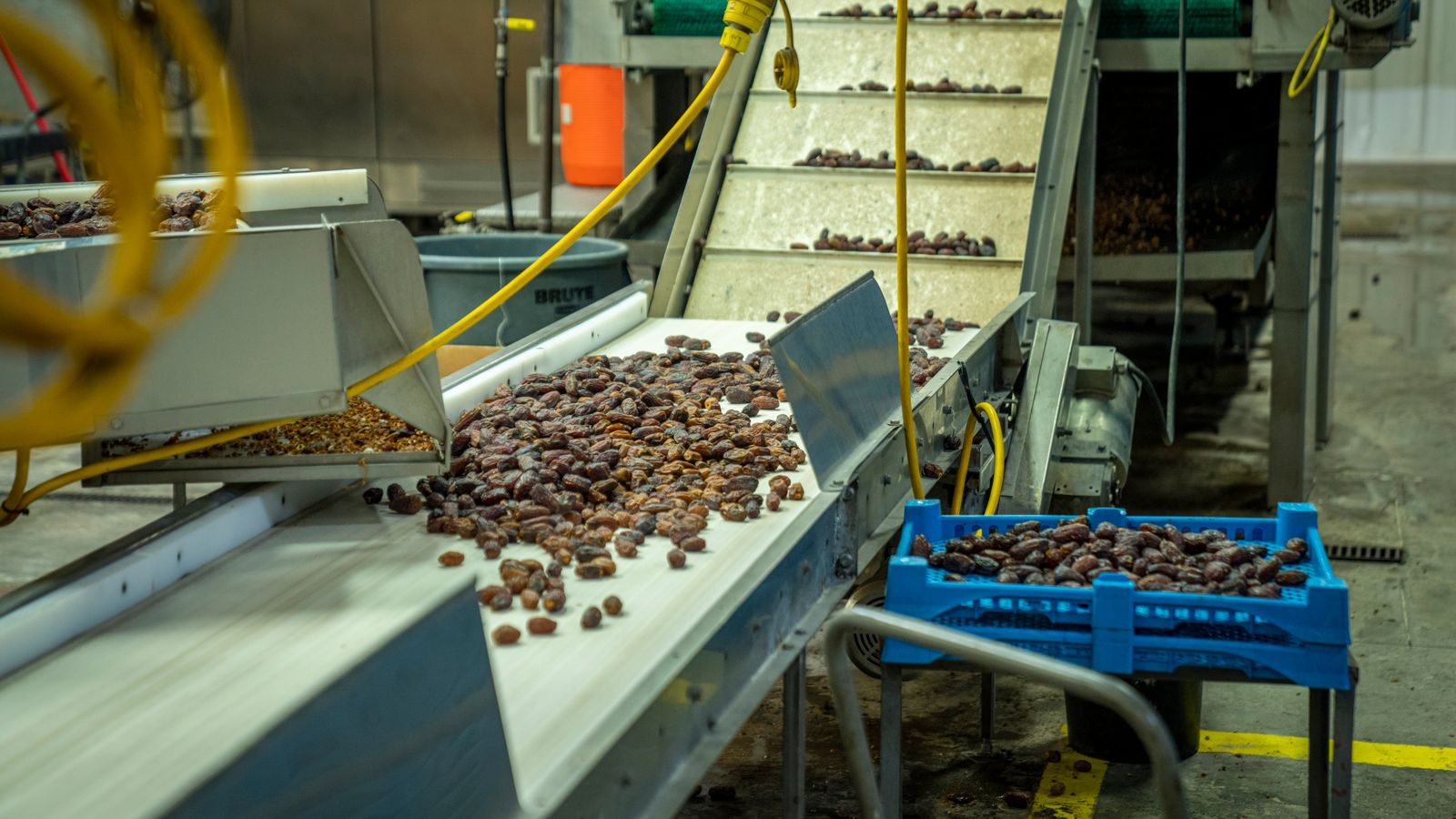
Mottainai’s manufacturing route starts with okara, the moist soybean pulp left behind when tofu or soy milk is made. Its Jiro Meat ingredient uses solid-state fermentation to convert this material into a plant-based food component. Instead of cultivating animal cells in liquid media, the company grows selected microorganisms on prepared solid substrates. Its Singapore pilot plant supports fermentation trials and food application development, giving it a way to test an ingredient’s properties before production is increased or adapted for a customer.
Consistent results depend on how each substrate is prepared and fermented. Mottainai identifies raw-material characterisation, pretreatment, nutrient balance, microbial management, moisture, and aeration among its process controls. These variables become important when incoming food side-streams differ in water content or composition, because the fermentation process must remain repeatable despite the changing input. The company also offers co-development and fermentation engineering services, allowing its platform to be tested with food manufacturers’ particular materials and product requirements.
Jiro Meat is designed for blended foods as well as plant-based alternatives. Mottainai’s published application calculations indicate that replacing half the chicken or pork in a formulation with the ingredient reduced cost per cooked kilogram by 18% and increased cooked yield by 9%; it also reports cooking losses below 5% in the tested comparison. The company attributes the yield effect to the ingredient absorbing juices released during cooking. Those figures are based on its own 50% replacement calculation and do not establish the same savings or yield across every recipe, process, or factory.
Using a food-processing side-stream as a fermentation feedstock creates a different set of production decisions from cell cultivation. The available okara has to be suitable for food processing, while ingredient specifications, fermentation throughput, and downstream handling must be aligned with a customer’s formulation. Mottainai already markets ingredient supply, product co-development, and side-stream processing services, and its pilot infrastructure is intended to validate the route from laboratory work towards greater commercial output. No newly commissioned industrial-scale plant or equipment capacity has been attributed to the grant.
The awards therefore support two specific manufacturing programmes: Aleph’s transfer of a cultivated beef process into partner-operated production ahead of its planned Singapore launch, and Mottainai’s expansion of fermentation-based ingredients and applications from its pilot platform. The milestone-based grant arrangements will tie further funding to development progress. Aleph’s first-half 2027 foodservice target provides a stated commercial timetable, while Mottainai’s next production volumes and larger-scale facilities have not been quantified in the award details.