IN Brief:
- Danone opened a 5,200 m² Research & Innovation Center in Shanghai on 2 November 2026.
- Facilities include a 900 m² OneBiome laboratory, a 700 m² pilot plant and a 300 m² engagement hub.
- More than 130 specialists will work across microbiome science, early-life nutrition and medical nutrition.
Danone has opened a 5,200-square-metre research and innovation centre in Shanghai, bringing microbiome science, specialised nutrition development and pilot manufacturing into a single facility. The site, inaugurated on 2 November 2026, will accommodate more than 130 multidisciplinary specialists and support work in early-life nutrition, medical nutrition, healthy ageing and other nutrition categories relevant to the group’s Asia-Pacific business.
The centre includes a 900-square-metre Danone OneBiome laboratory, a 700-square-metre pilot plant and a 300-square-metre science experience and consumer engagement space. Those functions connect research on ingredients and biological mechanisms with the practical work of developing prototypes and testing whether formulations can move towards industrial production. The company intends the Shanghai operation to serve the regional market while working with its wider international research network.
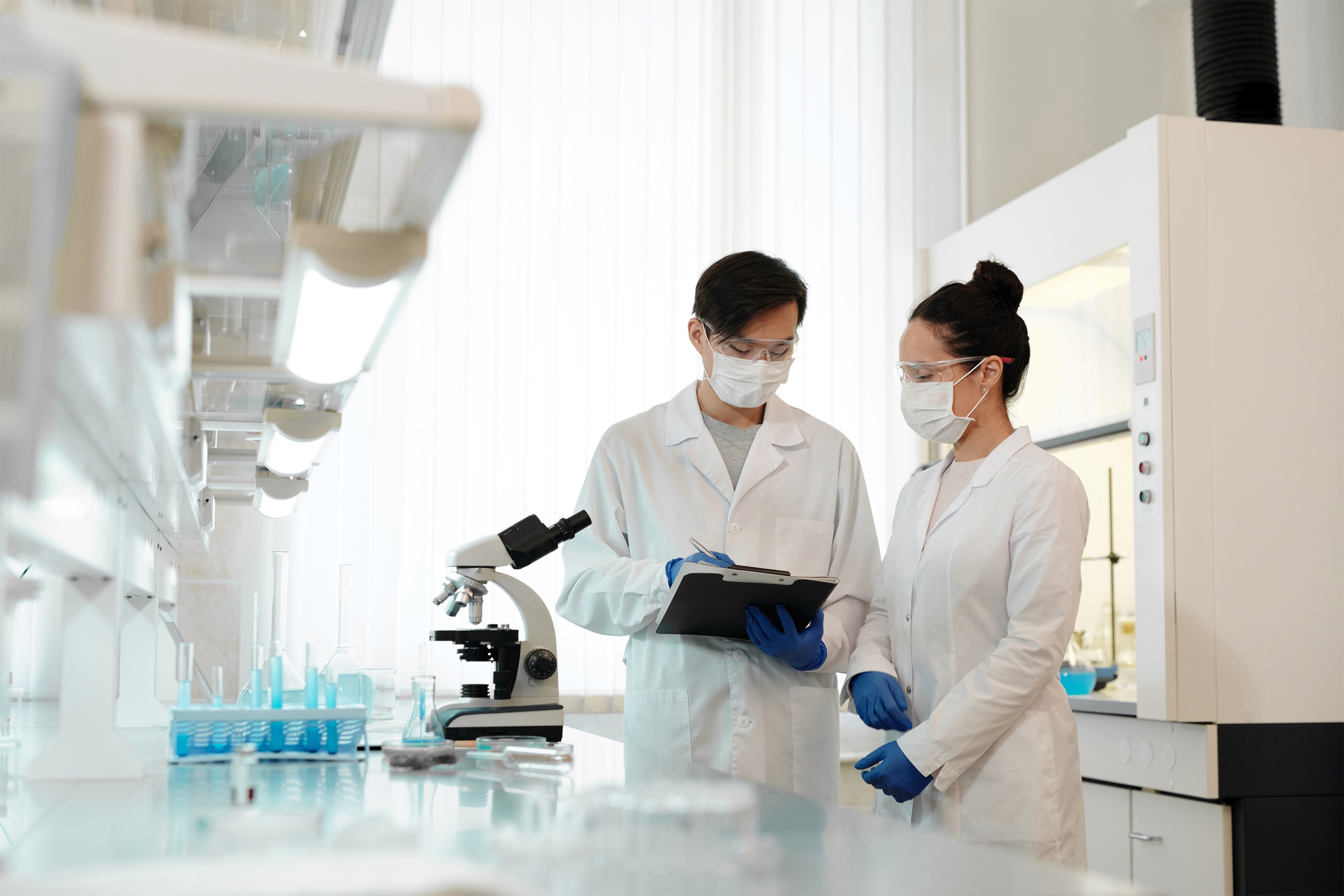
The new OneBiome laboratory is Danone’s third, following facilities opened in France and Singapore in 2025. Its research focuses on the gut microbiome, including the identification and analysis of bacterial populations and the relationship between microbial activity and nutrition. DNA extraction and analysis provide information on the organisms present in biological samples, while other analytical methods can help researchers investigate how those populations vary with diet and physiological conditions.
Microbiome research can help researchers identify organisms, biological pathways and associations with dietary patterns. Moving from that information to a nutrition product requires ingredient selection, a defined formulation, stability testing and evidence appropriate to the intended claim. Product teams must then establish how a candidate ingredient behaves through processing and storage. The combination of OneBiome laboratory work and pilot-scale development allows Danone to connect those stages within a single research operation.
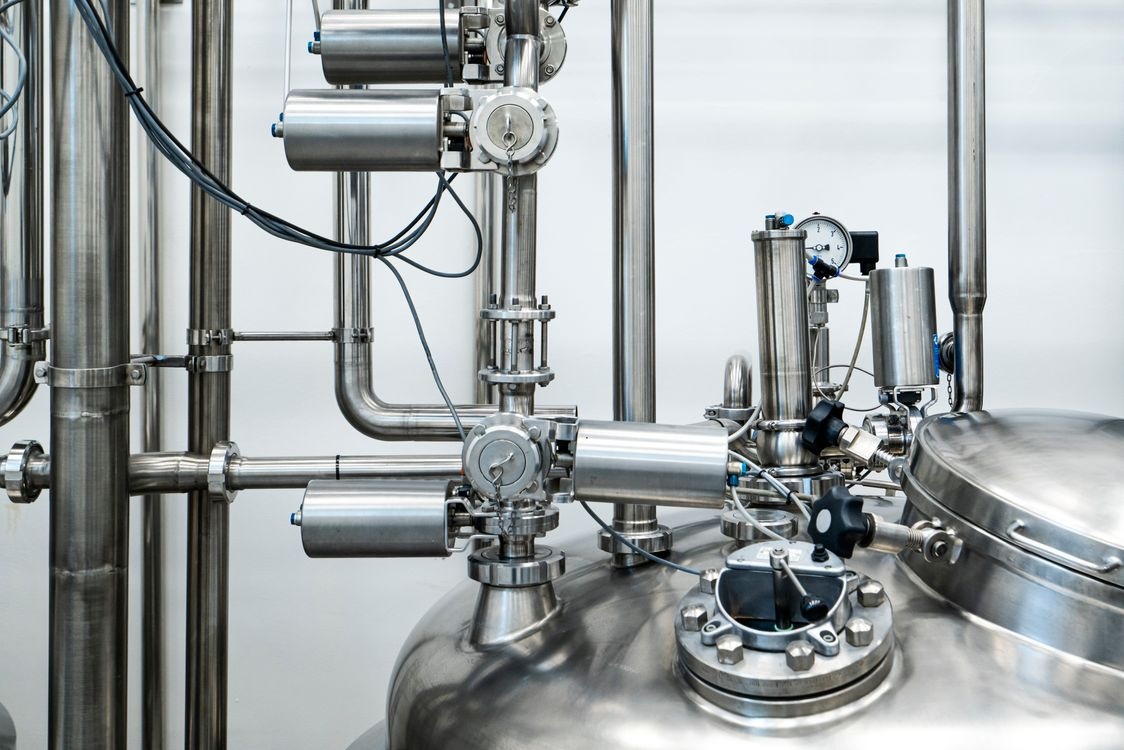
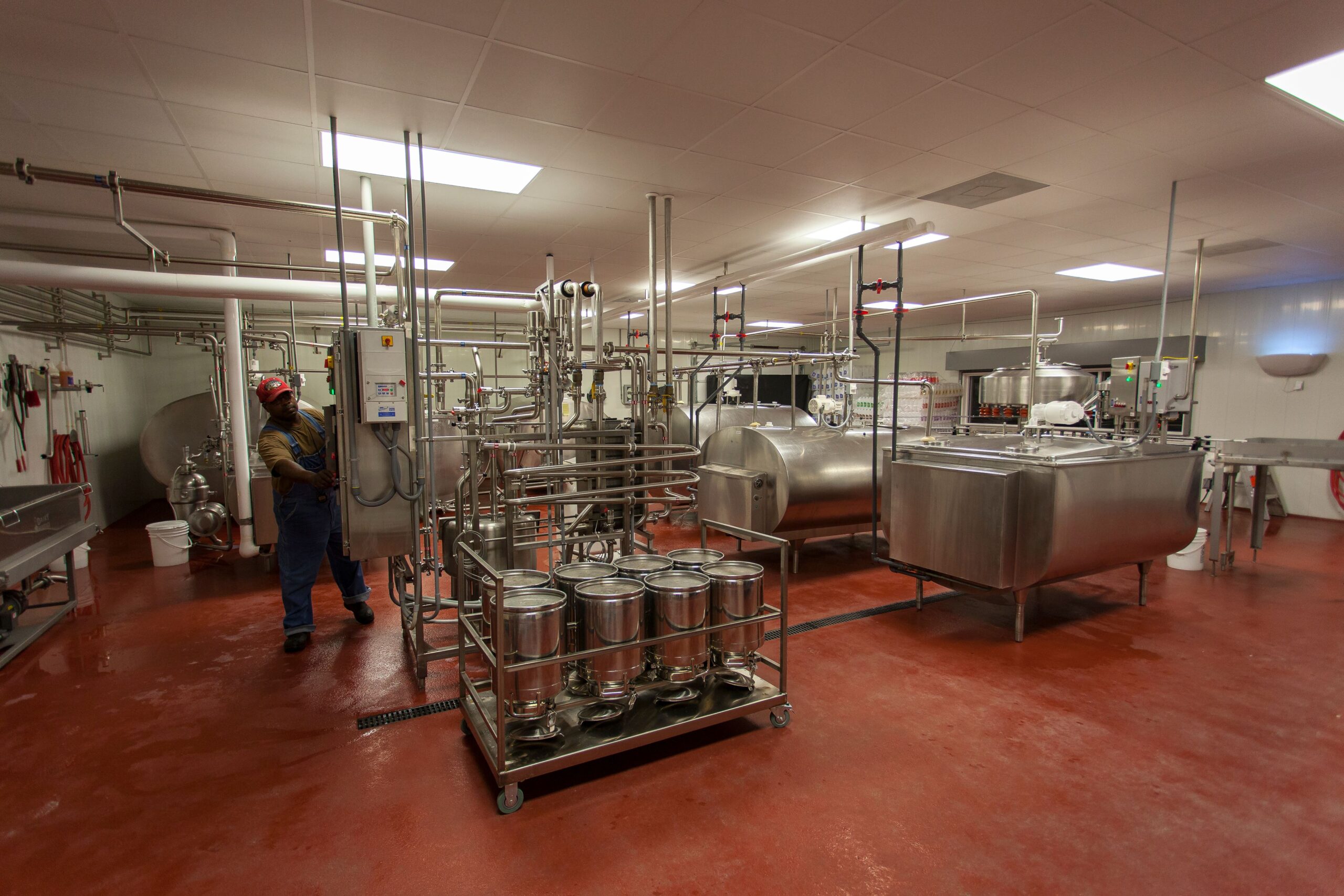
The 700-square-metre pilot plant provides space to examine formulations at a scale beyond laboratory preparations. Powder dispersion, mixing order, heat treatment and viscosity can all change as batch size and equipment geometry increase. Nutrition products also require consistent composition, microbiological control and stability over their intended shelf life. Pilot trials can expose those constraints early enough for researchers to adapt a formulation before transferring it to a commercial manufacturing line.
Sensory testing and product prototyping are located alongside the site’s analytical work. Danone’s 300-square-metre experience and engagement area is intended to connect consumer needs with nutrition concepts, presentation and packaging. Taste and texture assessments can be repeated as developers adjust nutritional composition, while pilot equipment helps test whether the revised formulations remain suitable for processing and filling. The arrangement brings consumer testing into the same development sequence as laboratory analysis.
Danone is placing particular emphasis on early-life and medical nutrition, fields in which product composition and quality control are tightly connected. Work involving infant nutrition must account for stringent product specifications, age-appropriate formulations and regulatory requirements in the markets where products will be sold. The company also sees research opportunities in healthy ageing, including the relationship between dietary protein, muscle maintenance and other aspects of nutrition in later life.
Isabelle Esser, Danone’s chief human resources, research and innovation, quality and food safety officer, has described advances in sequencing, genomics, metabolomics and data analysis as drivers of new nutrition research. Digital tools can connect observations from different scientific methods, allowing teams to investigate combinations of microbial activity, diet and physiological measures. Such analysis supports the selection of research questions and promising formulations, which must then be evaluated through product-specific testing.
Work on healthy ageing and weight management adds to Danone’s existing programmes in early-life and medical nutrition. The company has also expanded its biotic-ingredient interests, including its 2025 acquisition of The Akkermansia Company. Researchers can examine microbial activity alongside protein intake, muscle maintenance and metabolic health, while development teams assess whether candidate formulations meet the composition and process specifications of targeted nutritional categories.
Shanghai extends an international network that includes OneBiome activity in Paris-Saclay and Singapore and specialised nutrition research in Utrecht. Danone also works with Chinese universities and healthcare organisations, giving the new centre access to local scientific and clinical expertise. The company reports 56 scientific papers, 27 patent filings and nearly 30 local studies in China since 2020; these are figures for the broader programme rather than work conducted at the newly opened building.
China is an important market for infant nutrition and other specialised foods, and Danone plans to use the Shanghai centre to combine local consumer and scientific knowledge with global product development. Its research leaders describe the facility as a two-way connection: locally developed approaches can inform programmes elsewhere in the business, while international expertise can support the development and qualification of products intended for Chinese consumers.
The Shanghai centre now combines a substantial microbiome laboratory with a pilot plant, sensory and prototyping facilities, and an international team of nutrition specialists. Its industrial output will initially take the form of experimental formulations, process-development work and research findings. Future product trials and manufacturing transfers will show how the new facilities feed into Danone’s commercial nutrition portfolio in China and other markets.