IN Brief:
- MeridianMade has agreed to acquire Perrigo’s infant formula operation for up to $175 million.
- Payment comprises $40 million at closing and up to $135 million contingent on milestones through 2030.
- Perrigo continues operating the business until a transaction expected to close in the first half of 2027.
Perrigo has agreed to sell its infant formula business to US contract manufacturing specialist MeridianMade in a transaction valued at up to $175 million. The proposed disposal covers an infant nutrition operation generating $380 million in sales over the trailing four quarters to 27 June 2026, and moves an established manufacturing business towards a new owner focused specifically on the category.
The financial structure separates a $40 million cash payment due at completion from as much as $135 million payable if future performance milestones are achieved through 2030. The headline maximum therefore represents a combination of fixed and contingent consideration rather than cash guaranteed to change hands when the transaction closes. Completion is expected in the first half of 2027, subject to regulatory approvals and other customary conditions.
MeridianMade specialises in the manufacture of infant nutrition products in the United States. Its contract manufacturing services include spray drying, dry blending, packaging, research and development, and regulatory support. In powdered formula production, spray drying converts a controlled liquid feed into a dry powder, while blending combines specified ingredients in consistent proportions. Filling and sealing operations then protect the powder during storage and distribution. The transaction covers Perrigo’s operating formula business, although the agreement does not itemise the equipment or production lines transferring with it.
Perrigo retains ownership and operational responsibility until the expected completion in the first half of 2027. It will continue managing product safety, quality, customer service and supply while the buyer works through the required approvals. Manufacturing continuity is particularly important for store-brand formula, where supermarket customers depend on qualified production lines, established product specifications and documented batch records. Ownership and reporting changes will follow different timetables, with the business continuing to operate independently of MeridianMade until closing.
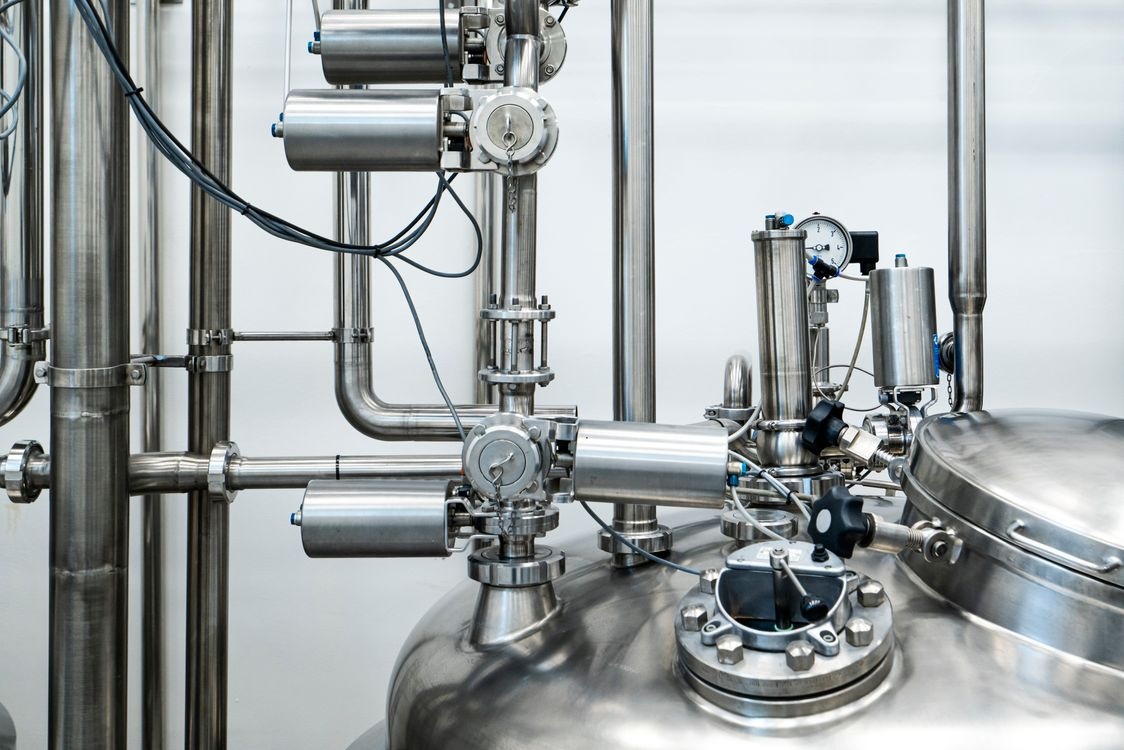
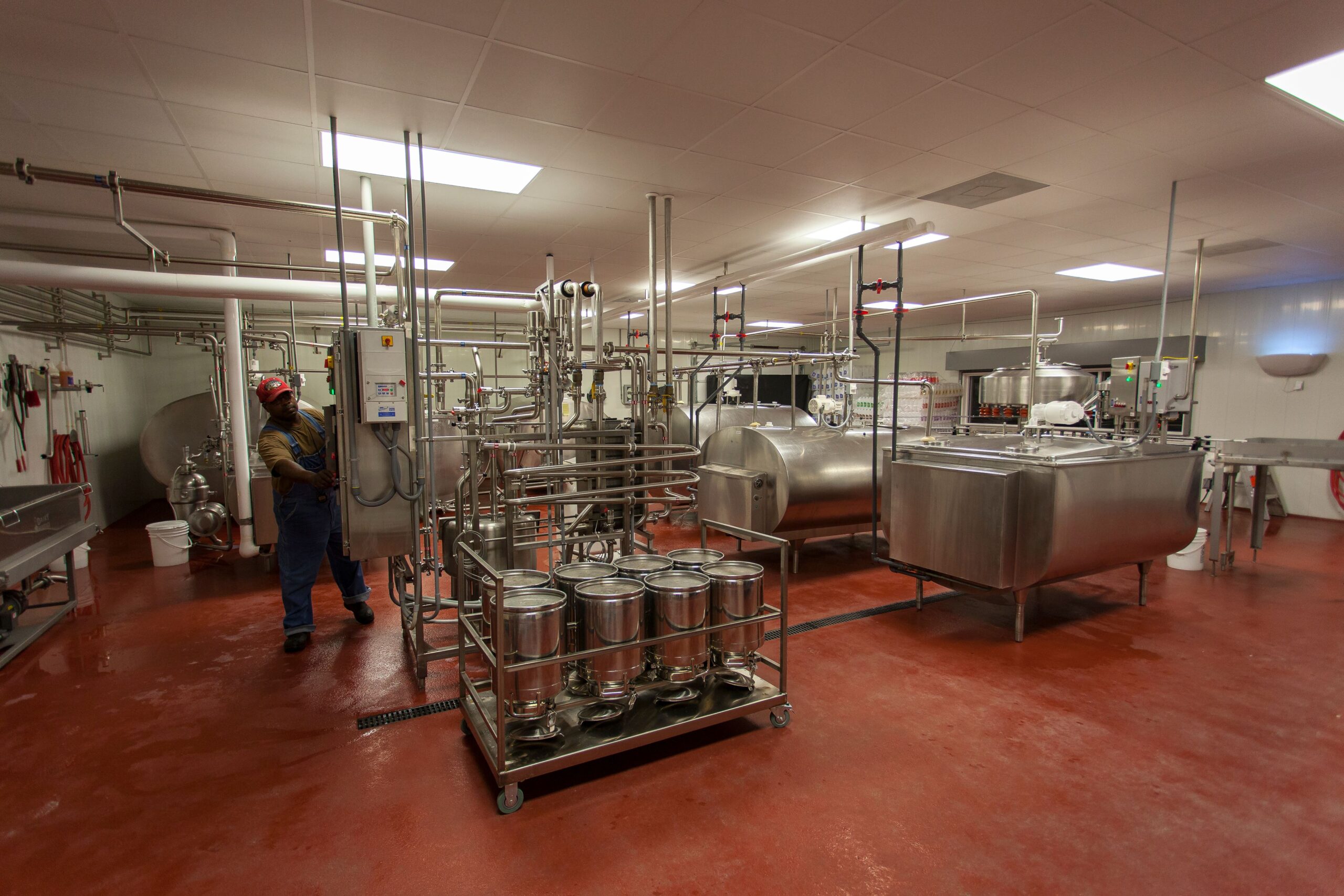
Infant formula production places unusually exacting demands on manufacturing control. In a powder line, spray drying removes water from liquid feed to make a stable dry product, while blending allows ingredients or nutrient components to be combined in specified proportions. A dry blend then has to remain uniform through handling and packaging. Hygiene zoning, equipment cleaning, environmental monitoring, ingredient traceability and protection against cross-contamination are all integral to the manufacturing operation. The companies have not disclosed a new process configuration or suggested that their transaction changes existing product requirements.
Ingredient approvals, batch documentation, packaging integrity and shelf-life controls continue after production. Formula composition and labelling also sit within a closely regulated product category, so records must connect ingredient receipts and manufacturing conditions to each finished batch. MeridianMade’s regulatory and development capabilities will sit alongside these operations once the sale completes. The purchaser has not set out a factory integration timetable, and existing process and product requirements continue during the ownership transition.
Perrigo is selling the operation as part of a wider effort to concentrate on consumer self-care products. It expects the sale to improve its margin profile and reduce future capital expenditure requirements, removing a manufacturing business whose investment needs differ from those of the remaining portfolio. The company has not quantified the future annual capital spending saving attributable to the disposal, so the size of that benefit remains a management expectation rather than an established outcome.
Over the trailing four quarters ended 27 June 2026, the operation generated $380 million of net sales and $8 million of segment adjusted operating income. The latter is a segment measure, not a published profit figure for any individual factory. Perrigo expects a non-cash impairment charge of $275 million to $375 million in the fourth quarter of 2026 associated with the sale. That accounting adjustment is separate from the $40 million cash payment due at closing and from the contingent consideration linked to performance through 2030.
Perrigo will include infant formula in discontinued operations from the fourth quarter of 2026, having included it in its All In third-quarter results. The reporting change separates the business’s performance from the consumer self-care portfolio that Perrigo intends to retain. Production, staffing, supplier management and delivery obligations remain with Perrigo until the transaction closes. Store-brand customers will therefore continue receiving formula from the existing operation while the sale moves through regulatory and contractual conditions.
MeridianMade is focused on store-brand infant nutrition, where the ability to supply consistent formula at scale is closely tied to retailer availability. Its manufacturing offer spans the same core operations that must be controlled during an ownership change: preparation, spray drying, dry blending and packaging. Additional capacity investment or changes to product specifications would require separate decisions after closing. The transaction establishes a specialised prospective owner for the existing business rather than a newly disclosed expansion of factory output.
Perrigo’s disposal will transfer an established infant nutrition manufacturing operation to a specialised contract producer when the outstanding approvals are satisfied. The $40 million payment is due at closing; a further $135 million is conditional on performance through 2030. The eventual consideration will therefore depend on later milestones, while the existing production business remains responsible for safe, consistent supply throughout the transition.