IN Brief:
- Wixon has completed a $25.6 million expansion of Wixon West in Milwaukee after work began in autumn 2025.
- The facility now covers more than 350,000 sq ft, with five packaging lines including a new high-speed line.
- The project more than tripled the site footprint and created 110 jobs, while adding blending, laboratory and warehousing capacity.
Wixon has completed a $25.6 million expansion of its Wixon West ingredients manufacturing facility in Milwaukee, Wisconsin, more than tripling the site’s footprint and creating 110 jobs. The upgraded plant now occupies more than 350,000 sq ft and provides additional space for blending, flavour production, packaging, quality testing and distribution.
The investment began in autumn 2025 and involved acquiring the remainder of a property in which Wixon had previously occupied only part of the building. That change has allowed the company to reorganise production and material handling across a larger industrial site. Wixon West is one of three blending and flavour manufacturing operations the group runs in the Milwaukee area.
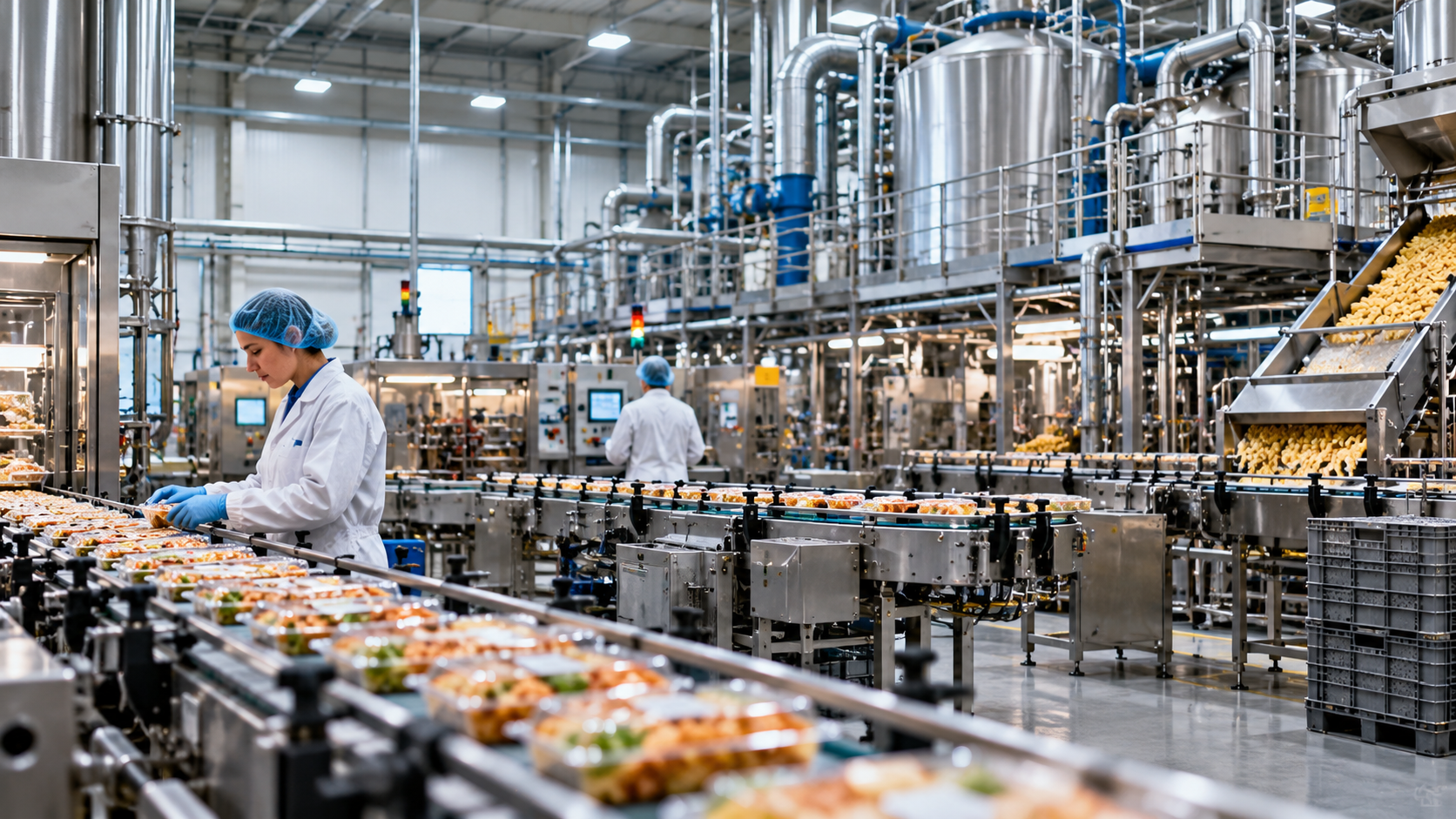
The enlarged factory has five packaging lines, including a new high-speed line, alongside expanded blending capacity and the infrastructure needed to move materials through the building. Packaging equipment turns batches of blended seasonings and other dry ingredients into customer-specified pack sizes. A greater number of lines also gives the operation additional scheduling options when different products and pack formats are being handled.
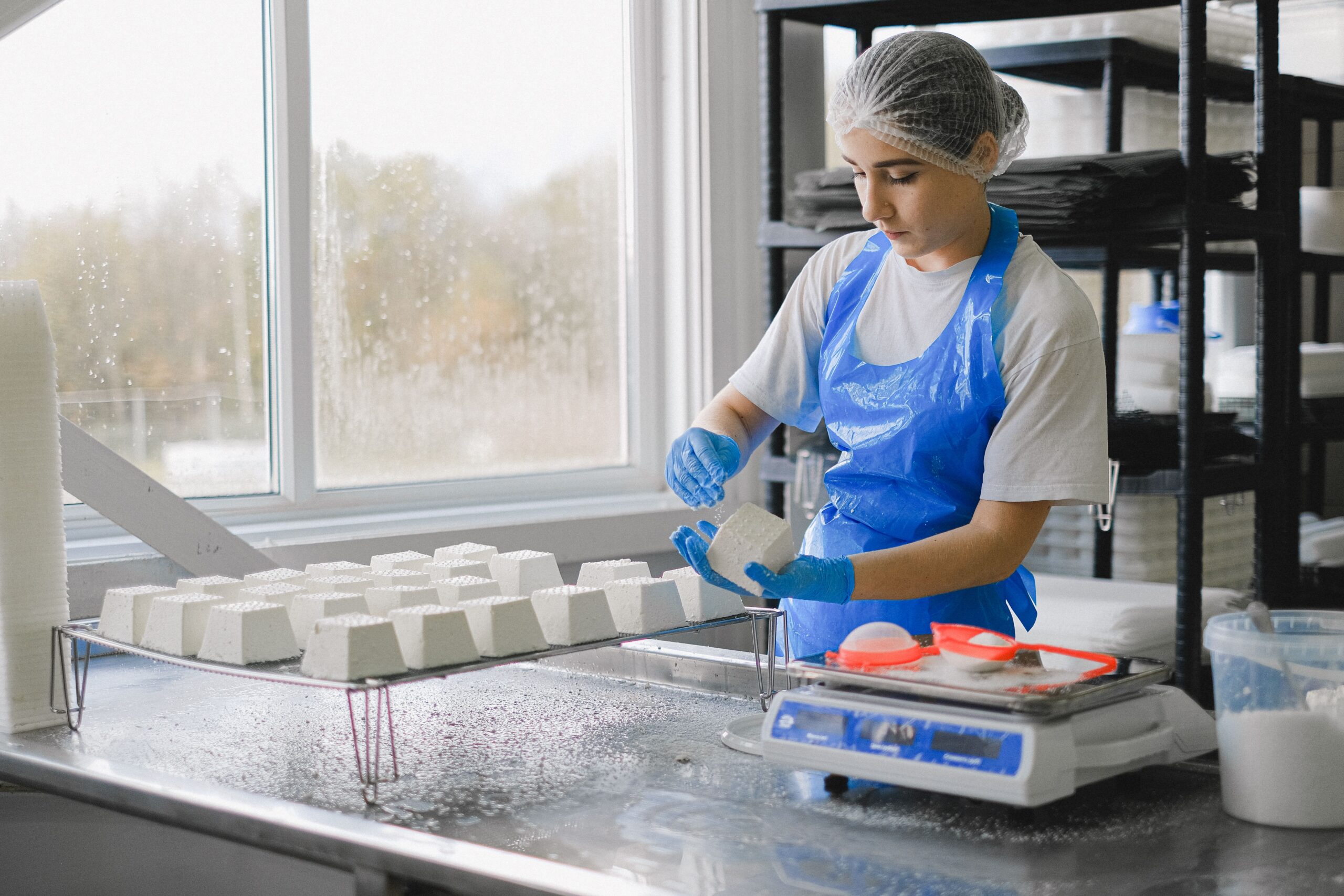
Wixon manufactures custom seasoning blends, flavours and related ingredient systems for food, beverage and nutritional applications. Contract packaging is also part of its service, allowing customers to obtain both a formulated dry product and consumer-ready packs from the supplier. The additional Wixon West capacity therefore supports two connected operations: producing repeatable ingredient blends and converting those batches into the package sizes required by customers.
Segregated blending suites are among the main additions. Separating processing spaces can help operators manage different ingredients, product characteristics and cleaning requirements between manufacturing runs. In dry ingredient production, powders can vary in particle size, bulk density and flow behaviour, so the blending process has to achieve an even distribution without unnecessary separation during discharge or packing. Wixon has not specified the capacity or configuration of its individual blending systems.
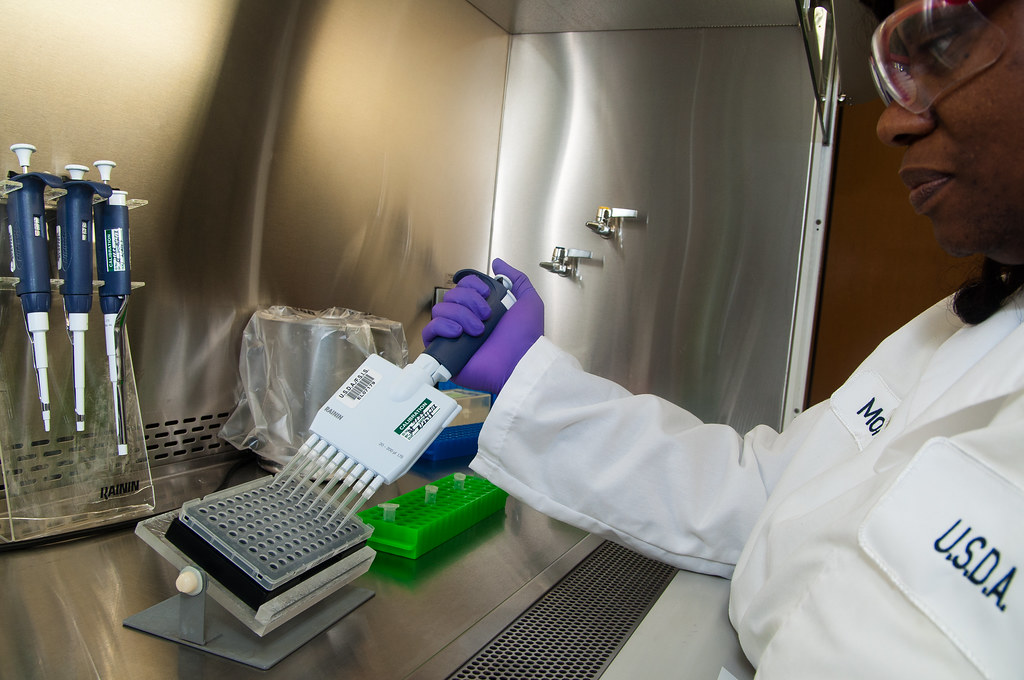
The expanded quality and analytical resources support that operation. Ingredient blends may be checked for composition, physical consistency and other parameters specified by the product and customer, with results tied to batch records. Analytical work also contributes to investigations when an incoming material or finished blend falls outside specification. The company identifies quality and laboratory infrastructure as a project feature but has not published a list of new instruments or testing methods.
The move from blending to packaging introduces further handling decisions. Different products can require different fill weights, container types and protection against moisture or damage, while packaging equipment must cope with powder flow at the required speed. A high-speed packing line can increase the rate at which finished goods are prepared for distribution, provided feeding, inspection, changeover and downstream pallet handling are matched to its capability. Wixon has not claimed a precise production uplift from the new line.
Warehousing and distribution space have also been enlarged. Dry ingredient manufacturing draws on multiple raw materials, many of which need defined storage conditions and lot traceability before they enter a recipe. Finished products may then be dispatched to customers with different pack sizes and delivery schedules. The larger building gives Wixon more room to manage those activities around its blending and packaging operations, although no pallet-position count or warehouse automation specification has been disclosed.
Wixon president Peter Gottsacker described the project as an investment in the company’s Milwaukee workforce and long-term operations. Chief operating officer Patrick McGarry linked the expanded facilities to existing customer demand and the pursuit of further business. The property also has room for subsequent development, although the October announcement did not set out a further investment programme.
The project forms part of the group’s regional manufacturing network rather than replacing its other operations. Wixon West complements the headquarters and principal manufacturing campus in St Francis, Wisconsin, where the business has a long-established presence. Having several sites within the same metropolitan area provides a base for different production and packaging functions, although Wixon has not assigned a specific product family or customer list to the newly expanded plant.
The additional manufacturing space links ingredients storage, segregated blending suites, testing and packaging equipment within a larger operating layout. Shorter or more predictable movements between these stages can help reduce waiting time around mixing and packing, while dedicated suites support different recipes and cleaning requirements. Wixon has completed the building and equipment programme; actual production rates will depend on product mix and customer orders.
Wixon reports 110 jobs created by the expansion. The larger operation requires production, quality, maintenance, packaging and logistics capabilities around the new infrastructure, alongside its existing workforce. The company has not separated completed recruitment from any additional roles that may be filled as utilisation increases, but the 110-job figure is reported as part of the finished project.
Wixon West now gives the Milwaukee group a larger industrial base for blending, flavour production, packing and distribution. The acquisition of the remaining property created space for those functions within the expanded facility and allows room for further growth. Its packaging operation and new segregated suites connect the production of formulated ingredients more closely with delivery in customers’ required finished packs.