
IN Brief:
- Niels Ulrich Duedahl has left the group CEO role with effect from 16 November 2026.
- Chair Søren Skou will support management more closely while the board searches for a successor with stronger operational focus.
- The company says its existing transformation strategy and 2030 objectives remain in place.
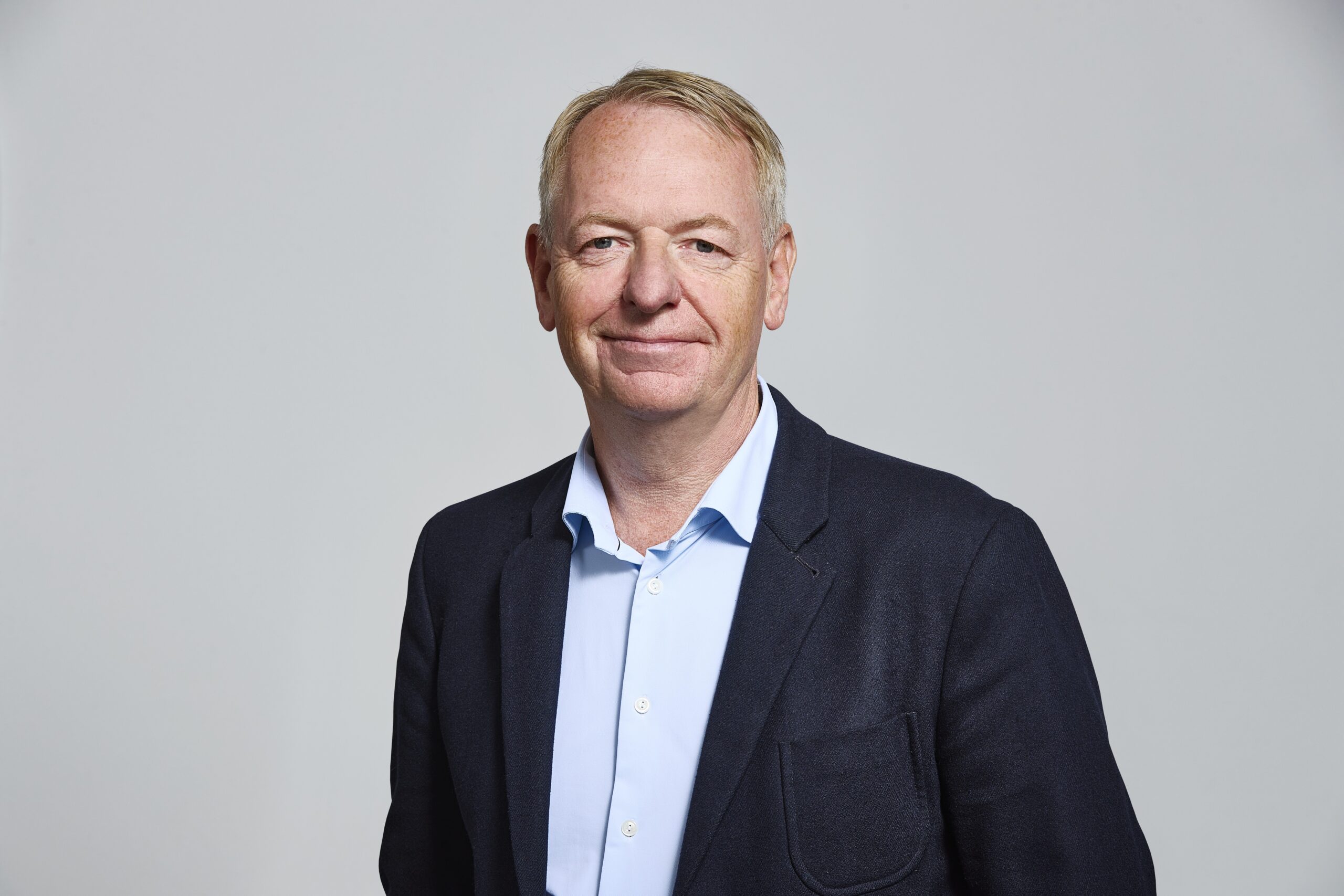
Danish Crown has parted company with group chief executive Niels Ulrich Duedahl with immediate effect, placing its ongoing restructuring under new leadership while the board searches for a successor. The Danish meat processing group confirmed the departure on 16 November and said the strategic direction of its transformation would remain in place.
Board chair Søren Skou will take a more active role alongside the executive team during the transition. The board is seeking a chief executive with a stronger operational focus and closer involvement in the business as the restructuring enters its next phase. No permanent successor or interim group CEO has been named.
Duedahl became group CEO in September 2024 and has overseen major changes in the farmer-owned company’s operating structure. His departure follows an October decision to combine seven of Danish Crown’s eight business units into a more integrated organisation, bringing production, commercial activity and product development under shared leadership rather than maintaining separate management structures for each division.
The October plan covers Sokołów, Beef, Industry, Foods, KLS, UK and ESS-FOOD. DAT-Schaub, which handles by-products, is to remain a separate unit. The planned integration is intended to reduce organisational duplication and improve coordination across the group, with the new structure expected to become operational over a period of approximately six months from the October announcement.
Danish Crown’s published strategy remains in force during the leadership transition. Its 2030 objectives include increasing the value recovered from owner-supplied livestock, concentrating on six core markets, reducing the number of brands and establishing a more competitive European cost structure. Achieving those objectives requires manufacturing, product development and sales decisions to be coordinated across businesses that previously had separate management arrangements.
One of the group’s stated goals is to increase the proportion of owner-supplied meat going into higher-value uses from roughly 25% to 50% by the end of 2030. The approach extends beyond the volume of animals processed. It requires the company to align product development, sales channels and production planning so that more of the available raw material is directed towards products and markets capable of generating stronger returns.
Livestock processing is particularly sensitive to capacity utilisation because a slaughterhouse carries substantial fixed operating costs. Maintaining the required labour, hygiene, refrigeration and processing infrastructure is expensive even when the number of animals moving through the plant declines. Lower throughput can therefore increase cost per animal, making the reliability of livestock supplies and factory scheduling central to competitiveness.
Danish Crown’s previous reporting has connected its operating recovery with the level of payments made to cooperative livestock suppliers. The company has sought to restore competitiveness while paying its farmer owners sufficiently attractive prices to maintain supply. A processor that cannot secure enough animals may struggle to operate plants efficiently, while a business paying above what the market and its product mix can support faces pressure on earnings.
Combining manufacturing and supply chain functions could give planners a more consistent view of livestock supply, processing capacity and demand across the group’s European operations. The practical outcome will depend on the decisions made at factory and product level, including the allocation of carcass cuts, the scheduling of different processing activities and the speed with which commercial changes reach production teams.
The October design also replaces several divisional leadership positions with a global structure for markets and channels, products and brands, and manufacturing and supply chain. Karolina Henriksen was identified as chief commercial officer and Przemyslaw Gostkiewicz as chief product officer, alongside a planned chief operations officer role. The forthcoming CEO appointment will take place while those reporting arrangements are still being established.
Livestock availability, labour requirements and retailer specifications vary between Danish Crown’s European markets. They affect the proportion of processing capacity that can be used economically, while the balance of fresh meat, prepared products and by-products influences the value recovered from an animal. The operating constraints remain in place during the leadership transition and will shape the implementation of the group’s integrated structure.
Duedahl’s exit also follows other leadership changes connected with the reorganisation, including the planned departure of Danish Crown’s Beef chief executive. Such changes place greater emphasis on continuity among plant managers, commercial teams and the remaining senior executives while new reporting lines are established. Danish Crown has not announced that the latest departure changes planned production volumes, plant closures or its published 2030 targets.
The group expects its integrated organisation to be fully operational within approximately six months of the October announcement. The board has begun searching for a new CEO but has not set a public appointment date. Danish Crown has not linked Duedahl’s departure to any newly announced change in plant capacity, factory closures or its 2030 targets.