IN Brief:
- Mars will support a study with CIRCPACK by Veolia and Imperial College London covering packaging waste outcomes in more than 70 countries.
- Researchers aim to combine 13 material-level recycling categories with SPOT modelling of recycling, managed disposal and environmental leakage.
- The proposed 2025 baseline and scenarios to 2050 are expected to produce initial results in the second quarter of 2027.
Mars is participating as a strategic industry partner in a planned packaging waste study developed by CIRCPACK, part of Veolia, and Imperial College London. CIRCPACK and Imperial have signed a letter of intent to collaborate on estimates of recycling, managed disposal and environmental leakage for major packaging materials in more than 70 countries. The work is scheduled to begin in November, with initial results expected in the second quarter of 2027. No new global findings have yet been published by the partnership.
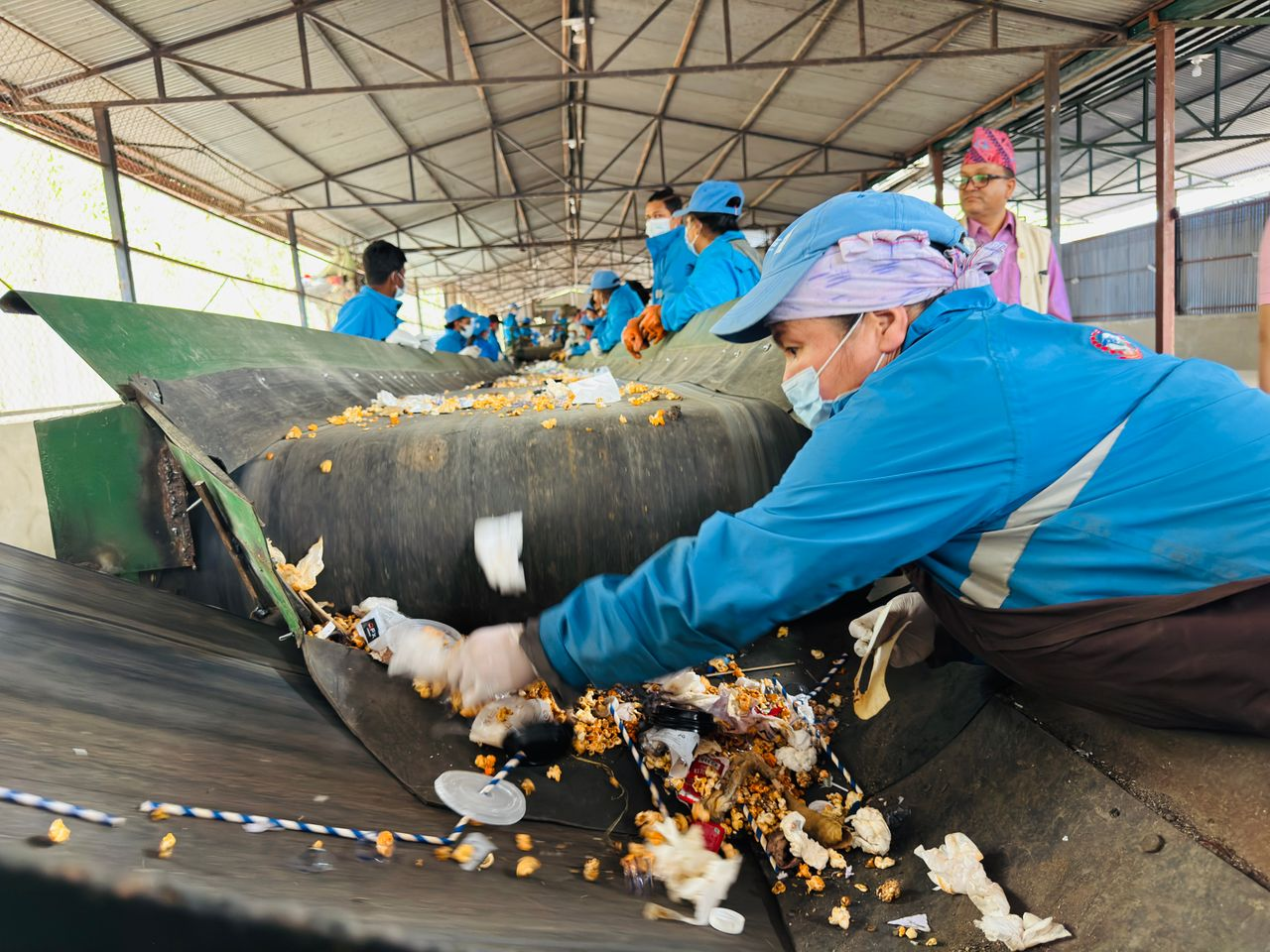
The research will distinguish material that is collected from material that is ultimately recycled. Those are different points in the waste system: sorting rejects, processing losses and contamination may reduce the quantity converted into usable recyclate. Packaging outside the recycling stream can follow controlled disposal routes or escape into the environment, with different environmental consequences. National averages can also obscure important differences between bottles, trays, flexible films and composite packs made using related materials.
CIRCPACK’s existing recycling intelligence separates 13 packaging material categories. The published breakdown includes glass, steel, rigid and flexible aluminium, paper, complex paper formats and seven plastics categories. The plastics analysis distinguishes clear and coloured PET bottles, other rigid PET packaging, and rigid from flexible polyethylene and polypropylene. These categories have different sorting and reprocessing conditions, even where their main polymers are chemically similar. The reported data describes the likelihood of collection and recycling in individual markets rather than a universal performance rate for a material.
Imperial College researchers will contribute an updated version of the SPOT modelling approach associated with Dr Costas Velis. The existing tool has assessed plastics at broad rigid and flexible levels; combining it with the CIRCPACK categories is intended to estimate material-specific recycling, disposal and leakage for a 2025 baseline. The partners also plan projections to 2050 using three shared socioeconomic pathways. Those projections will be modelled scenarios, not observations of future packaging waste or guarantees of how recycling systems will evolve.
A food packaging design can perform very differently after use depending on where it enters the waste system. A multilayer pouch may provide the oxygen and moisture barrier needed for shelf life but have limited collection or separation options in some markets. A clear PET bottle can enter an established recovery stream in one country and a much less developed system elsewhere. Packaging performance during food manufacture is therefore only one input to a material choice; its likely end-of-life route depends on local infrastructure, the precise pack construction and how it is discarded.
Mass balance and system boundaries are central to credible comparisons. Packaging counted when it arrives at a sorting plant has not necessarily been reprocessed into a secondary material; waste may be lost during sorting, washing, melt processing and quality control. A country-by-country model must also address unmanaged waste, for which direct measurement is often incomplete. The partners have not yet issued the study’s uncertainty ranges, validation results or final methodology, leaving the quality of its estimates to be assessed when results are released.
Mars will help frame the research questions and interpret the findings for industrial packaging decisions. In food and confectionery applications, sealing reliability, barrier performance, pack weight, product protection and line speed constrain the feasible alternatives. The partnership does not constitute an announced investment in a recycling plant, nor does it confirm that Mars has approved a redesign of any particular packaging format. It is intended to provide evidence that may inform subsequent specifications and policy decisions.
The proposed work extends beyond plastics alone, combining Veolia’s material-level collection and recycling intelligence with a model of the wider destination of waste. That approach differs from datasets that compare collection rates or recycled outputs without estimating disposal and environmental leakage in the same framework. Another November initiative, the Systemiq and Earth Action Packaging Data Hub, already provides plastic packaging data for 50 countries; it is a separate project with a different methodology and coverage. Results and forecasts from the two initiatives should not be combined as though they came from the same study.
Greater classification detail will not remove uncertainty where reporting is incomplete. Informal recovery operations, poorly recorded disposal and transboundary waste movements are difficult to measure consistently, while collection arrangements and sorting capacity can change during the study period. The significance of any national comparison will depend on whether estimates are based on observed data, informed modelling or extrapolation from neighbouring markets. Transparent confidence ranges will be essential if the results are to guide investment or material selection.
The partners intend to publish initial results in Q2 2027 against the 2025 baseline before testing longer-term scenarios to 2050. At present, neither a change in packaging design nor a reduction in waste can be attributed to the research programme. Its utility will depend on how reliably the resulting numbers identify where specified materials are collected, recycled, disposed of or lost, and whether producers can use that evidence alongside food safety and manufacturing requirements.