IN Brief:
- PepsiCo reports that 94% of the in-scope high-risk commodity volume bought for its wholly owned manufacturing activities was deforestation-free in 2025.
- Cocoa reached 59% and palm oil 77% deforestation-free sourcing, compared with 99.5% for fibre packaging and 99.7% for soybean oil.
- The 2030 ambition includes ecosystem conversion, while a common reporting methodology is still being developed for many ingredients.
PepsiCo reports that 94% of the high-risk agricultural and packaging commodities procured for its company-owned and operated activities were deforestation-free at the end of 2025. The result, published on 16 November, remains short of the group’s 2025 ambition and varies sharply by material. Performance is weakest for cocoa and palm oil, while fibre packaging, soybean oil and sugarcane record considerably higher proportions. The company is seeking deforestation- and conversion-free sourcing by 2030.
The assessment covers five commodity groups. PepsiCo puts soybean oil at 99.7% deforestation-free, fibre packaging at 99.5%, sugarcane at 95%, palm oil at 77% and cocoa at 59%. Its calculation expresses qualifying procurement volumes as a proportion of the total in-scope volume, measured in tonnes. It is not a measure of the number of compliant suppliers or a certification of every PepsiCo-branded product produced throughout its wider international manufacturing network.
Palm oil demonstrates why certification and a deforestation-free assessment cannot be treated as equivalent. All of PepsiCo’s reported palm oil volumes were covered by Roundtable on Sustainable Palm Oil certification in 2025, yet only 77% qualified as deforestation-free under the group’s reporting methodology. Certification provides a procurement mechanism and can support engagement with suppliers; the separate land-use assessment addresses whether sourcing qualifies against the company’s defined environmental criteria.
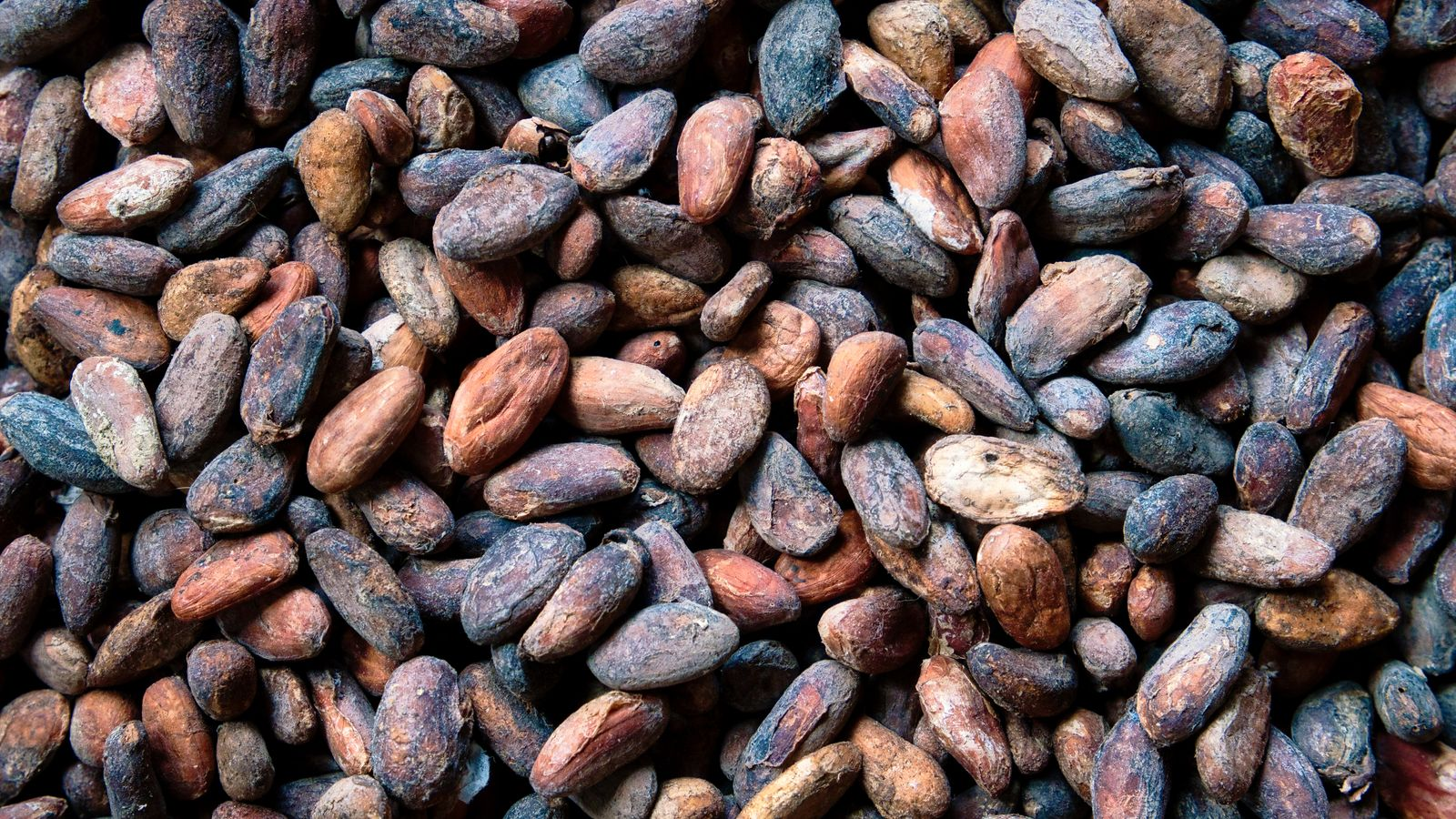
For cocoa, the deforestation-free proportion was just 59%, while 77% of sourcing was traceable to country of origin. Identifying the country narrows the geographic exposure but does not establish the conditions on the individual farms supplying a shipment. Cocoa beans can move through collection, fermentation, drying, trading and ingredient processing before being used in finished food. Once material from different producers is combined, the origin records and controls applied at each transfer determine how precisely the resulting batches can be assessed.
Fibre packaging recorded 99.5% deforestation-free sourcing, with 100% of the reported volume traceable to mill. That provides identification of a significant conversion stage in the paper supply chain, but tracing material to a mill is not the same as identifying every original forest or plantation supplying its fibre. PepsiCo uses paper and wood-based materials in primary, secondary and tertiary packaging, with corrugated board particularly important for secondary packaging. The origin of virgin and recycled fibre can introduce different documentary requirements.
Soybean oil reached 99.7% deforestation-free sourcing and was fully traceable to refinery, whereas 95% of sugarcane qualified as deforestation-free and 97% was traceable to its first point of aggregation. Refineries and collection points lie at different stages of the supply chain. A traceability milestone can establish where a material entered an industrial handling or processing system, without necessarily identifying each farm in the upstream supply base. The published percentages therefore describe both progress and the varying depth of the information available for each commodity.
PepsiCo is extending supplier engagement and using geospatial data to support the assessment. Its work with Satelligence draws on satellite monitoring to identify potential deforestation events and assist with grievances. Satellite observations can highlight a land-cover change in an identified area; suppliers and purchasers must still link the relevant commodity volumes to their origin before deciding whether the event affects a procurement claim. PepsiCo also operates a mechanism through which third parties can report environmental and social concerns for investigation.
The 94% figure has a defined procurement boundary. PepsiCo’s calculation methodology covers in-scope ingredients and materials purchased directly or indirectly for use in wholly owned manufacturing facilities. Volumes bought by joint ventures, franchise bottlers, contract manufacturers and co-packers are excluded. The proportion should therefore not be extrapolated to every factory making PepsiCo-branded products or to every agricultural ingredient it purchases. The company’s methodology records no external assurance for this particular metric, so the result is presented as PepsiCo’s reported assessment.
Commodity processing also changes the evidence available to a manufacturer. Palm-derived ingredients may be supplied after refining, fractionation or blending, while cocoa inputs can be delivered as liquor, butter or powder rather than beans. A food business may know the identity and specification of the immediate supplier without having farm-level data for every source contributing to the ingredient. Environmental traceability is consequently a parallel procurement requirement to the product testing and quality information needed to run a consistent manufacturing process.
An approved supplier can deliver an ingredient that meets the factory’s functional and food safety requirements while leaving an environmental origin question unresolved. Changes in source regions or the composition of a blended batch may require updated evidence under a manufacturer’s sourcing commitments, even where the physical characteristics of the material remain unchanged. Traceability systems must therefore connect purchase volumes, supplier records and the company-specific land-use assessment rather than rely solely on laboratory or processing specifications.
PepsiCo’s wider 2030 ambition extends beyond deforestation to the conversion of other natural ecosystems, including peatlands and grasslands. Its calculation methodology describes a generic framework with a 31 December 2015 cut-off for palm oil and a 31 December 2020 cut-off for sugarcane, soybean oil, fibre and cocoa. Assessments also require traceability to an appropriate production area, monitoring of vegetation and credible evidence for the land-use claim. The company acknowledges that industry-aligned conversion-free reporting methods remain under development for most ingredients, with differing approaches affecting comparisons between reporting periods.
Industry collaboration forms part of the programme. PepsiCo participates in the Consumer Goods Forum’s Forest Positive Coalition and the Palm Oil Collaboration Group, and joined the Sugarcane Collaboration Group in 2025. It is also a founding member of the Rimba Collective, which aims collectively to mobilise $1bn over 30 years for forest protection and restoration in Southeast Asia. That figure describes the initiative’s long-term target rather than a new financial commitment from PepsiCo alone.
PepsiCo’s report shows that near-complete sourcing assessments for soybean oil and fibre packaging coexist with much lower results for cocoa and palm oil. The 94% aggregate is weighted by the tonnes of commodities in scope, so it does not eliminate gaps within particular ingredient supply chains. Further progress will depend on the origin records available to suppliers, the credibility of their verification methods and common approaches to ecosystem conversion. PepsiCo plans to assess the timing and scope of additional reporting as those methods develop.