IN Brief:
- Almost £4m is being committed to the Future Foods Innovation Accelerator at ONE SeedPod in Aberdeen.
- The project will develop a virtual test environment followed by a food-safe physical production line, targeted for September 2027.
- The initiative aims to support up to 40 companies, create 60 jobs, and upskill 100 people, with grants of up to £50,000.
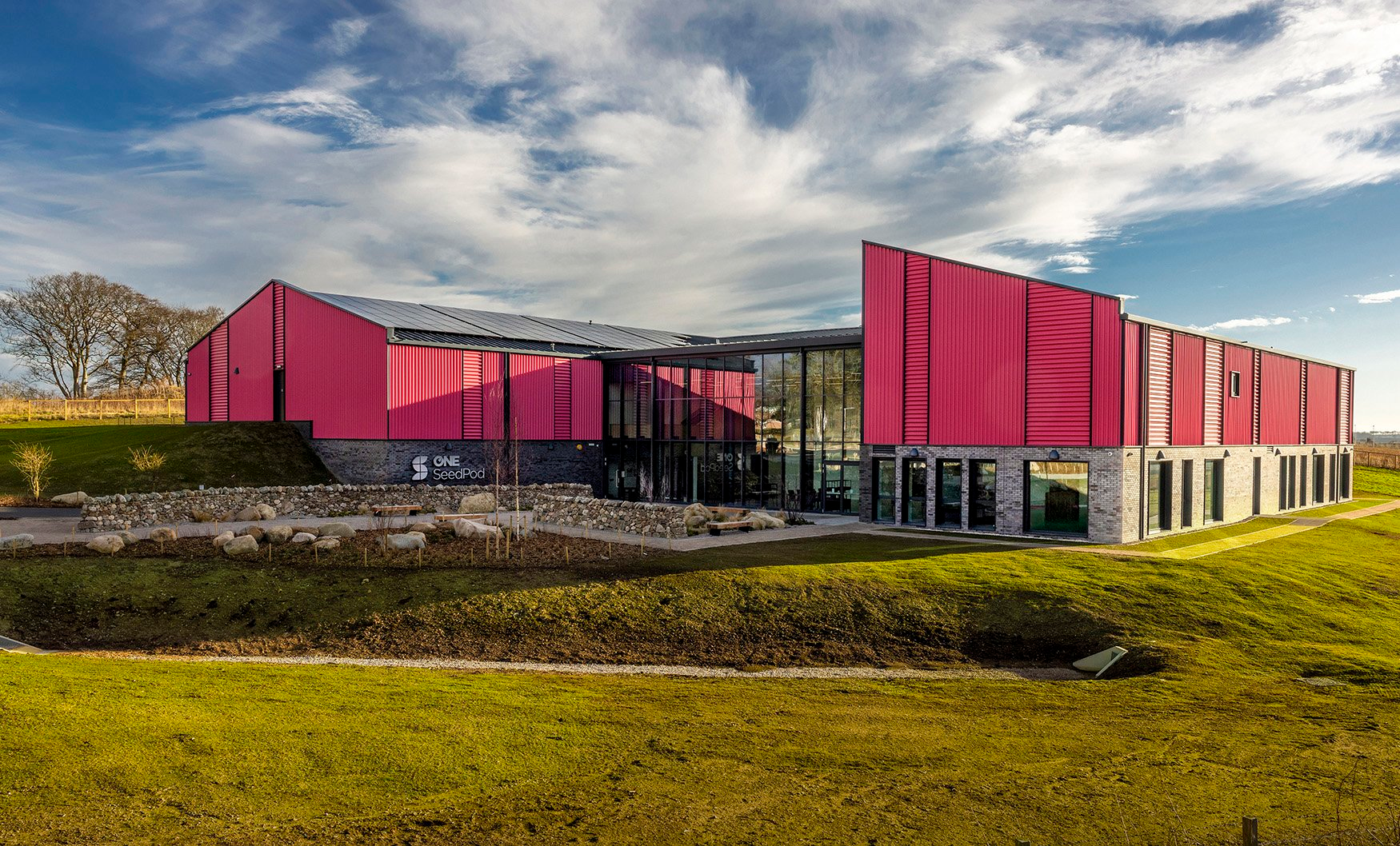
Opportunity North East is developing a new robotics and automation test environment for food and drink manufacturing at its ONE SeedPod innovation centre in Aberdeen, backed by an investment of almost £4m. The project will let businesses evaluate digital production technologies in a food-safe pilot setting before deciding whether to install comparable systems on their own factory lines.
The Future Foods Innovation Accelerator is supported by £3.2m from the Scottish Government’s Just Transition Fund for the North East and Moray. Opportunity North East is contributing more than £760,000 towards a specialist technical team and the programme connecting initial trials with subsequent adoption. Most of the investment will go into adapting the SeedPod pilot plant in Bucksburn, with a portion available as business grants of up to £50,000.
Manufacturers will first help design the proposed test environment, which will then be assessed virtually before any production equipment is installed. The second stage is a physical manufacturing line intended for trials by September 2027. That is the programme’s target date for a future facility, not an operational launch or confirmation of machinery orders.
Robotics, digital production systems, and artificial intelligence are among the technologies the accelerator intends to examine. Proposed applications range from inspection and quality monitoring to production data, energy consumption, and waste reduction. No equipment vendor, line configuration, or measured performance result has been confirmed for the planned installation.
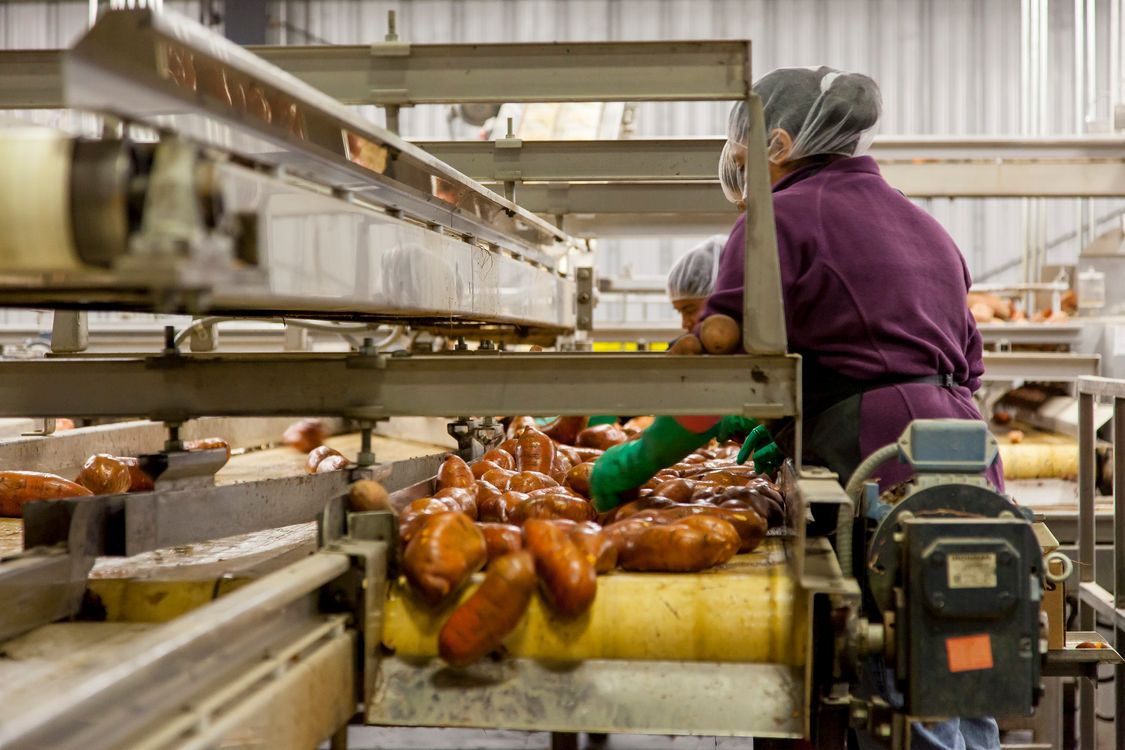
Testing new machinery in a working food factory can interrupt orders and complicate scheduling. A robotic handling trial may require additional product, machine guarding, cleaning, and changeover time, while an inspection system must be assessed against real defects and line speeds. A dedicated pilot setting is intended to let companies investigate those constraints without relying on their normal commercial production lines for every trial.
Food processing adds requirements beyond repeatable mechanical motion. Hygiene, traceability, cleanability, and the changing properties of natural products can affect whether equipment is suitable. A robot handling a rigid container may perform differently with irregular food portions or flexible packs, and a vision system trained on one product variation may need further validation before use on another. Physical trials will be needed to establish actual performance.
The virtual stage can expose layout problems, access restrictions, and clashes between machine movements before hardware is purchased. It cannot by itself establish whether a proposed gripper will handle wet or fragile foods, or how effectively a camera will distinguish genuine defects under changing lighting and product conditions. Those characteristics require tests using appropriate products and a representative processing environment.
Opportunity North East expects the programme to support up to 40 companies, create as many as 60 higher-value jobs, and help 100 people develop new skills. These are programme ambitions, not outcomes already delivered. The support is intended to include manufacturers seeking to automate existing production and businesses considering new processes as they scale.
ONE SeedPod already provides a base for the project. The wider £27m food and drink innovation centre welcomed its first tenant in July 2025 and offers food-safe manufacturing kitchens, development facilities, demonstration areas, and technical support. The accelerator adds a planned automation trial capability at that established site; it does not represent construction of a replacement innovation centre.
The centre’s facilities already allow small businesses to develop recipes, trial processes, and gain technical support before taking on full commercial premises. Adding an automation-focused pilot line extends that model beyond product development into decisions about manufacturing method, productivity, and technical risk. A product may have reached a stable formulation without its filling, handling, or inspection process being ready for larger output.
Trials will also require trained personnel. Operators, engineers, and technicians need to understand the boundaries of an automated system, the conditions that trigger an intervention, and the evidence needed to assess whether a change improves production. The programme’s skills element is intended to support implementation alongside the equipment testing, although no completed training outcomes have yet been reported.
The regional funding is linked to the transition from oil and gas activity into other parts of the north-east economy. Engineering capabilities used in control systems, maintenance, project delivery, and process monitoring may be transferable to food and drink production, although food hygiene and product handling impose additional requirements. The programme aims to provide new employment routes while supporting the competitiveness of established food businesses.
The Scottish Government’s published 2026 funding awards assign £3.2m to the Future Foods Innovation Accelerator over 2026–2029. Its stated purpose includes technical advice, grants, and pilot projects intended to reduce the risk of adopting automation and low-carbon production systems. The awards list does not identify individual recipients of the proposed business grants or confirmed machinery purchases.
Manufacturers’ input and the virtual design work will precede live testing. Once the physical line is installed, businesses should be able to evaluate candidate systems against product handling, cleaning, throughput, and operating requirements before making investment decisions for their own factories. September 2027 remains the target for that testing capability, with the scope of the final equipment installation still to be confirmed.