IN Brief:
- TOMI Environmental Solutions has secured a new poultry-processing customer through its food safety partner, FH Services.
- Laboratory studies reported average Listeria monocytogenes reductions exceeding seven log units on flat surfaces and three log units on threaded components.
- The company is pursuing wider factory applications, but specific food-contact and poultry uses still require additional regulatory work.
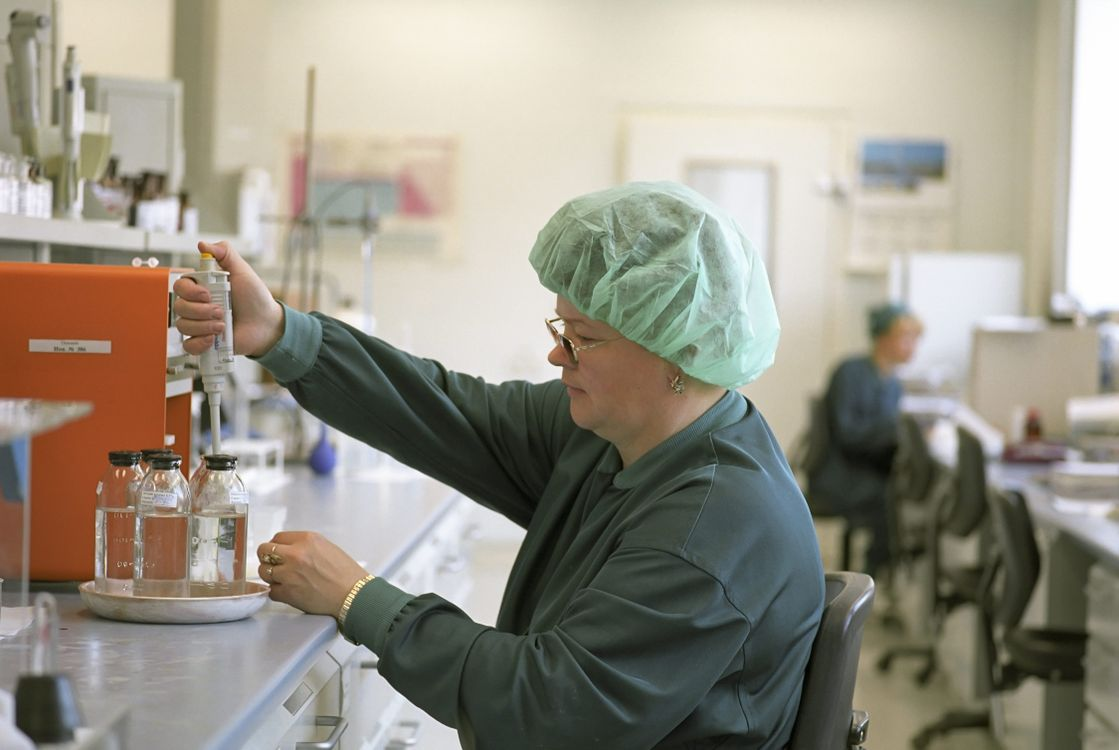
TOMI Environmental Solutions has secured a new poultry-processing customer for its SteraMist disinfection technology as food manufacturers evaluate wider applications of ionised hydrogen peroxide across meat, dairy, and ready-to-eat production facilities.
The customer was secured through Dr Josh Hasty, Chief Executive of FH Services and TOMI’s food safety partner. The development forms part of an expanding commercial programme involving manufacturers assessing whether the technology can support sanitation procedures across individual factories and larger production networks.
TOMI confirmed the new customer on 18 November, following laboratory research disclosed in October that examined SteraMist’s performance against Listeria monocytogenes in biofilm. The company is using those results to support technical and commercial discussions with food processors.
SteraMist uses TOMI’s Binary Ionization Technology to generate an ionised hydrogen peroxide mist from a low-concentration hydrogen peroxide solution. The system is intended to deliver a disinfecting treatment into selected environments and onto exposed surfaces.
The effectiveness of hydrogen peroxide treatment depends on the concentration and form of the disinfecting agent, exposure conditions, surface characteristics, and the presence of substances that may interfere with antimicrobial activity. The commercial system must therefore be assessed under the conditions for which it is intended.
Food production environments introduce particular challenges because processing equipment can contain joints, recesses, and other areas that are difficult to access during routine sanitation. These locations may retain moisture or residues capable of supporting microbial persistence.
Listeria monocytogenes is an important target because it can survive and multiply under suitable refrigerated conditions. Its ability to persist in processing environments creates contamination risks, particularly where ready-to-eat foods are handled after a processing stage intended to control microbial hazards.
Some microorganisms can form biofilms on equipment surfaces. The protective matrix associated with a biofilm can complicate cleaning and disinfection, while the physical arrangement of equipment may make contaminated areas difficult to reach.
Removing visible soil and applying a disinfecting treatment are separate parts of an effective sanitation programme. Organic residues can interfere with disinfectant performance, making the suitability of the preceding cleaning procedure important when assessing the effectiveness of a complete intervention.
TOMI’s earlier independent laboratory study examined Listeria monocytogenes in biofilm on different test surfaces. Under the reported conditions, SteraMist achieved average reductions exceeding seven log units on flat surfaces.
The results were different on threaded components, where average reductions exceeded three log units. These components represent more difficult surface geometries, with joints and recesses that can influence access to the target microorganisms.
A seven-log reduction represents a substantial decrease in the number of recoverable organisms under the conditions of the test. It does not establish that identical reductions will occur on every surface or throughout a working factory.
The separate threaded-component results demonstrate the importance of surface geometry when interpreting the findings. Treatment performance can vary according to exposure, contamination levels, residues, and the configuration of the equipment being disinfected.
TOMI is investigating applications in ready-to-eat meat processing, poultry production, dairy manufacturing, and infant nutrition. These environments share an emphasis on microbiological control, but their processes, equipment, and regulatory obligations differ.
A treatment suitable for one factory operation cannot automatically be transferred to another without assessing the intended use and relevant operating conditions. The effectiveness of a sanitation programme depends on both the selected technology and the procedures used to apply it.
The company reports growing interest from enterprises considering a common sanitation approach across several production sites. Such standardisation could simplify the management of equipment, procedures, and consumables, provided the individual applications have been appropriately validated.
No completed network-wide adoption programme has been confirmed in the latest disclosure. The new poultry customer represents an additional commercial relationship, while broader deployment remains under evaluation.
TOMI is also adapting its equipment for use in demanding factory environments. Hasty has identified routine washdowns, industrial vehicle movements, and repeated daily operation as conditions that must be addressed when designing a system intended for meat-processing facilities.
Equipment durability is relevant because sanitation technology must remain reliable under the physical and environmental conditions encountered during production. The consistency of the application process, maintenance requirements, and compatibility with existing sanitation schedules all influence its operational suitability.
Regulatory work remains a separate requirement. TOMI is preparing a Form FDA 3480 Pre-Notification Consultation to obtain guidance from the US Food and Drug Administration about the regulatory pathway applying to specified food-contact uses.
The company is also assessing the requirements for potential poultry applications under the responsibilities of the FDA, Environmental Protection Agency, and US Department of Agriculture’s Food Safety and Inspection Service.
The regulatory distinction is important because environmental disinfection, treatment of food-contact equipment, and direct use involving food do not necessarily operate under identical authorisation arrangements. Approval for one purpose does not establish permission for every proposed application.
TOMI’s November quarterly filing states that it does not yet have sufficient poultry-use residue information to support a claim of no detectable residues. The company has also confirmed that the necessary FDA authorisation for the relevant proposed use has not been received.
The outstanding evidence therefore limits the claims that can be made about particular food-contact applications, irrespective of the laboratory results obtained against Listeria. Additional testing and regulatory assessment will be required before those uses can be treated as authorised.
International activity includes work involving Nestlé and Danone on regulatory pathways in markets such as South Africa, India, and the Philippines. These discussions concern potential applications and regulatory requirements rather than confirmed authorisation or production-wide adoption.
TOMI expects wider use of SteraMist to increase demand for its associated BIT Solution consumables and services. The company has not disclosed the value of the new poultry customer, the number of systems involved, or contracted volumes associated with potential multinational deployments.
The latest development establishes another customer relationship and continuing interest from industrial food processors. Expansion will depend on the results of factory-specific validation, equipment suitability, and completion of the regulatory requirements governing each proposed use.