IN Brief:
- EIT Food’s qualitative research involved 32 participants from 17 European countries.
- Participants evaluated three illustrative biotechnology applications and considered a possible food system in 2040.
- Affordability, credible safety evidence, and clear product information emerged as conditions for consumer acceptance.
EIT Food has identified affordability, safety assurance, and the practical benefits of biotechnology-derived products as conditions for greater consumer acceptance of emerging food technologies. Its Consumer Observatory has published a roadmap based on qualitative research across 17 European countries, examining how developments in biotechnology could contribute to the European food system by 2040.
Thirty-two consumers participated in a seven-stage exercise conducted through the organisation’s Citizen Participation Forum between 16 and 31 July. They considered three illustrative biotechnology applications before assessing a possible future food system and working backwards to identify the changes required to achieve it. The exercise elicited views from a small group of engaged consumers and does not measure the proportion of Europeans willing to purchase biotechnology-derived products.
Participants attached greater importance to taste, health, affordability, and convenience than to technological novelty. EIT Food also identified demand for independent safety evidence, clear labelling, accessible information about production methods, and the ability to choose between products made using different technologies. Commercial development programmes must therefore address the properties of the finished food as well as the performance of the underlying manufacturing technology.
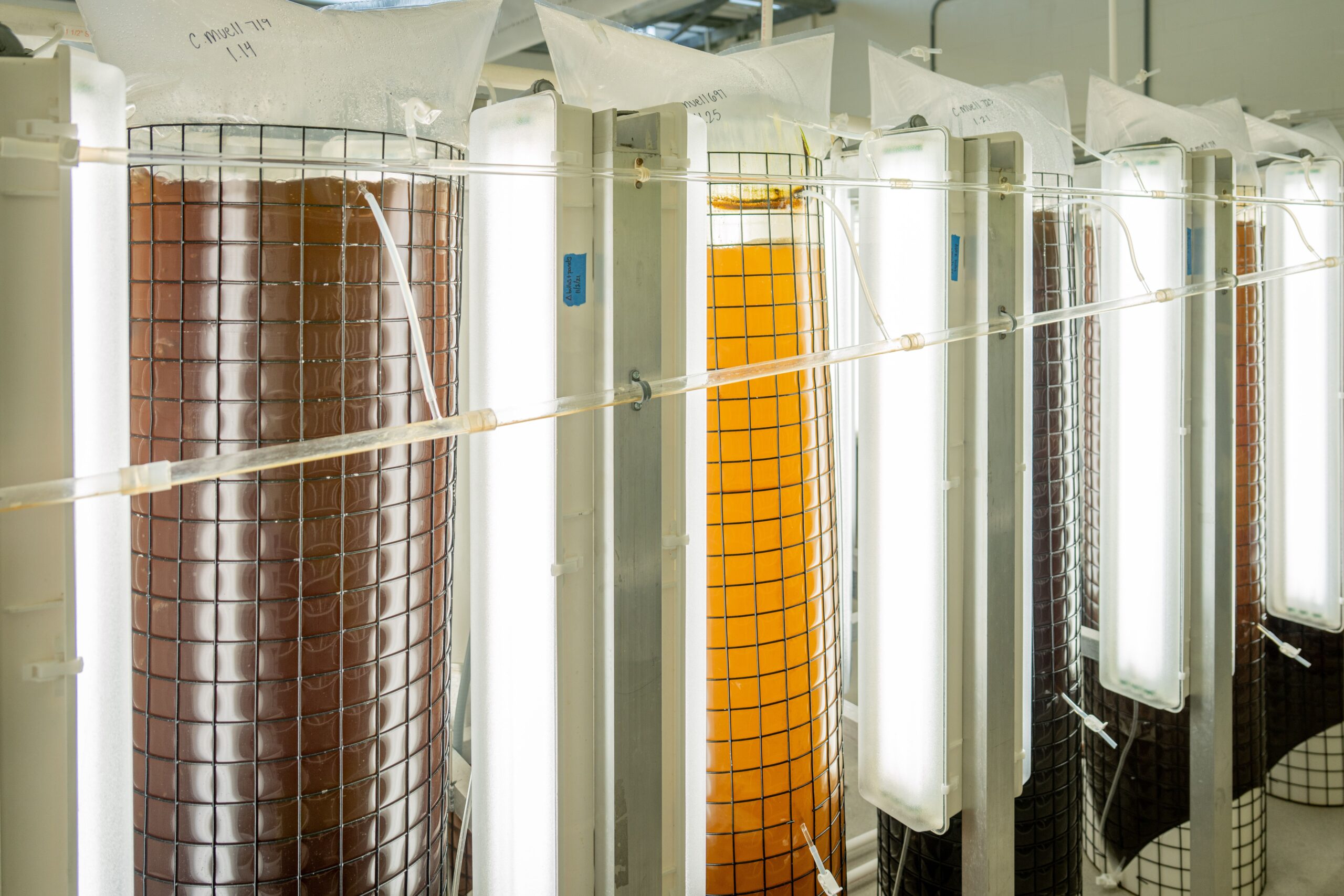
Microbial production is already integral to the food ingredients industry. Enzymes, organic acids, vitamins, and flavour compounds can be manufactured through fermentation, while precision fermentation extends the range of substances obtainable from microbial production systems. A microorganism may be selected or engineered to produce a particular protein, which is subsequently separated from the culture medium or biomass and purified to the required ingredient specification.
Yield at the fermentation stage is only one determinant of the resulting ingredient cost. Low concentrations of a target protein in the culture medium can necessitate processing large volumes of liquid, while additional purification stages may be needed to remove substances that affect flavour, colour, or functionality. Greater fermentation productivity is commercially useful when accompanied by an efficient recovery process that preserves a sufficient proportion of the target material.
Equipment capacity must also accommodate the time required for preparation, fermentation, harvest, and cleaning. A vessel cannot be allocated to another production batch until the previous one has been discharged and the required cleaning procedures completed. The frequency of production campaigns and the ability to share downstream equipment between products influence how effectively a plant can utilise its installed assets.
The financial consequences of those operating constraints have encouraged ingredient developers to investigate shared manufacturing infrastructure. Recent work by Invest-NL on fermentation scale-up financing identified capital availability and authorisation times as barriers to industrial development. External manufacturing arrangements can reduce the capital required to establish an ingredient business, provided the partner’s equipment can accommodate the process and its associated food safety requirements.
Customer qualification introduces another stage between ingredient production and sales. A protein intended for use in a dairy alternative may need to provide emulsification, foaming, or gel formation under defined conditions of acidity, temperature, and mineral concentration. Two ingredients with comparable protein content can behave differently during mixing or heat treatment, requiring adjustments to the food formulation and production settings.
European novel food authorisation, where applicable, requires evidence concerning the composition, manufacturing method, safety, and proposed uses of an ingredient. Process changes made during scale-up must be assessed against the specifications and conditions underpinning the authorisation. Manufacturers also need quality systems capable of tracing raw materials and production batches, identifying deviations, and establishing the consistency of the resulting ingredient.
The transparency concerns identified by EIT Food intersect with these existing manufacturing controls. Verified ingredient provenance, consistent product descriptions, and documented processing methods provide a basis for communicating how a food has been manufactured without relying on broad assurances about an entire technology category. Different biotechnology applications may present distinct safety, nutritional, and functional characteristics that require separate assessment.
Affordability will remain closely tied to the utilisation of fermentation and separation infrastructure. Food companies seeking to introduce a new ingredient into a mainstream product must establish whether its cost and functionality can support the intended retail price, and whether sufficient quantities will be available once the formulation has been approved. Early involvement of manufacturing and procurement teams can expose these constraints before commercial commitments are made.
EIT Food’s roadmap describes a possible 2040 scenario rather than a prediction of market penetration. Its emphasis on affordability and demonstrated product benefits places the technical work of reducing ingredient costs and establishing consistent functionality alongside safety assurance and consumer communication in the commercialisation process.