IN Brief:
- ICIS estimates that EU-produced packaging will require approximately 3.4 million tonnes of recycled polyolefins to meet 2030 targets.
- Without accelerated investment, domestic supplies of suitable high-quality grades could fall almost two million tonnes short.
- Food-contact approval and material performance requirements restrict the grades available to food packaging converters.
European packaging manufacturers could face a shortfall of almost two million tonnes of suitable recycled polyolefins as mandatory recycled content requirements approach, according to market analysis from ICIS. The commodity intelligence provider estimates that packaging produced in the EU will require approximately 3.4 million tonnes of recycled polyolefins to meet the targets established for 2030, with domestic supplies of suitable material projected to remain substantially below that level unless investment accelerates.
Polyethylene and polypropylene are widely used in food packaging, including films, tubs, trays, closures, and protective wrapping. The availability of recycled material suitable for these applications is narrower than the overall volume of polyolefin waste recovered, because individual packaging formats require different material characteristics and some are subject to additional restrictions governing contact with food.
The EU Packaging and Packaging Waste Regulation establishes a 10% minimum recycled content requirement for most contact-sensitive plastic packaging made from materials other than PET, excluding single-use plastic beverage bottles. The target applies from 2030, or three years after the relevant implementing act takes effect if later, and increases to 25% in 2040. Other plastic packaging categories have different targets, while specified applications are exempt.
Meeting these requirements will depend on the quality of recovered polymer streams entering recycling facilities. Polyethylene includes grades with markedly different molecular structures and processing characteristics, while polypropylene used in rigid containers can differ from material used in film manufacture. Mixing incompatible grades during collection and processing reduces the range of applications for which the resulting material can be qualified.
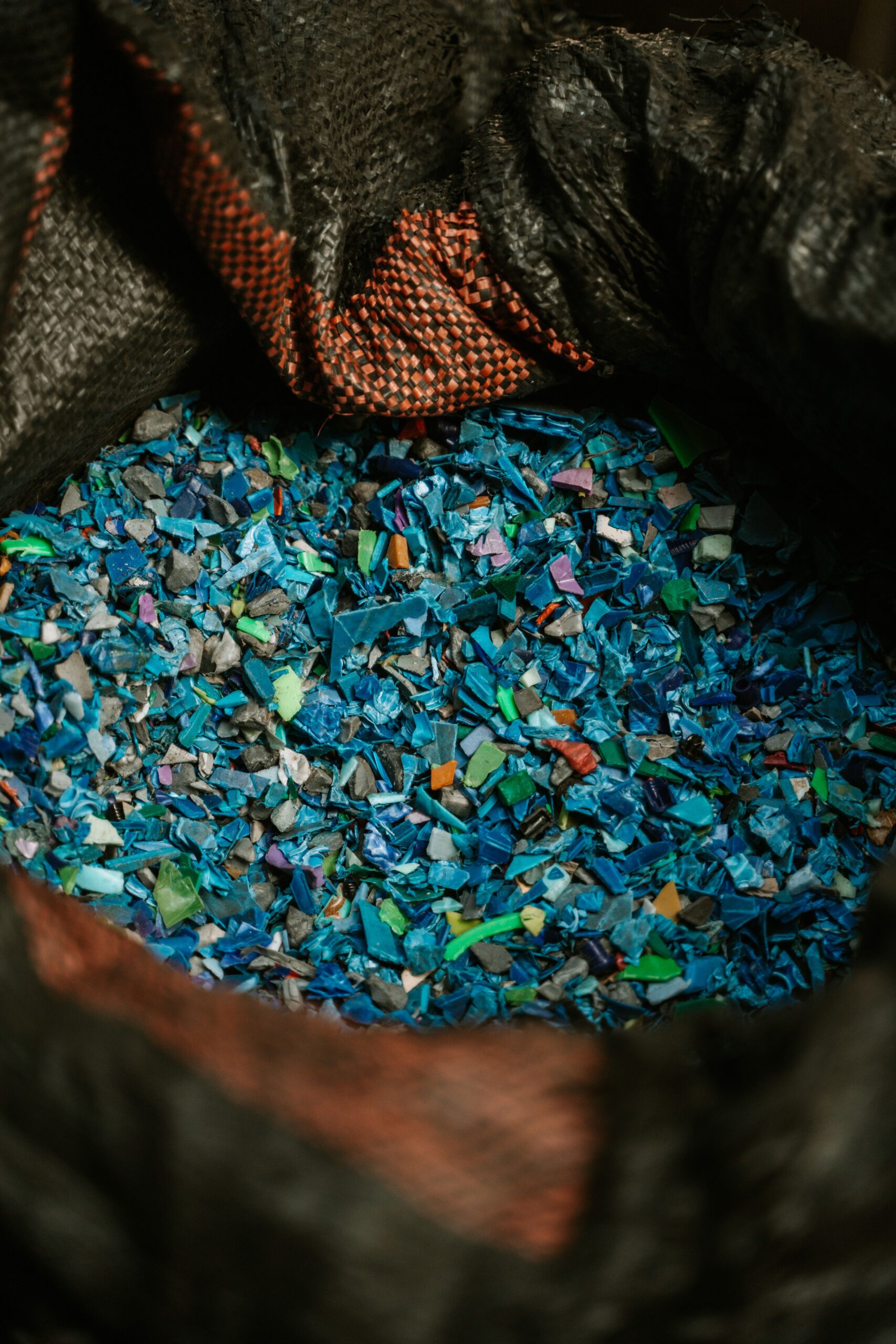
Mechanical recycling typically combines sorting, washing, shredding, melting, filtration, and pelletisation. Optical sorting can distinguish polymer families and selected colours, but the output can still contain material from a wide range of previous applications. Repeated exposure to heat and mechanical stress may alter polymer properties, while pigments, adhesives, and other additives can restrict the markets available for recovered pellets.
A recycled material may have adequate strength, clarity, and flow properties for a particular packaging format without satisfying the requirements governing substances that could migrate into food. Recycling processes intended to produce food-contact materials must operate within the applicable regulatory framework and demonstrate appropriate controls over contamination. The availability of approved mechanically recycled polyolefins remains limited, according to ICIS. The EU has also revised its compliance rules for recycled food packaging, reinforcing the need for converters to establish the regulatory status of incoming materials.
In film extrusion, material variability affects the ability to maintain a uniform thickness across a moving web. Differences in melt flow and thermal behaviour can alter extrusion pressure and the stability of the film during stretching or cooling. Food packaging films may also contain additional layers designed to provide gas or moisture barriers, sealability, or mechanical strength, each of which imposes a different set of material requirements.
Injection moulded containers and closures must maintain dimensional tolerances and withstand the loads applied during filling, sealing, and transport. Recycled grades need to perform consistently within moulding cycles, because changes in shrinkage or material distribution can create variations in component dimensions. Qualification typically requires assessment of the finished packaging under its intended operating conditions.
ICIS identifies changing virgin polymer prices, elevated recycling costs, producer responsibility systems, and new waste trade rules among the factors complicating the pricing outlook. Its October analysis of dissolution recycling noted that suitable mechanically recycled high-density polyethylene and polypropylene pellets can already command prices hundreds of euros above comparable virgin grades. That differential creates difficulties for both recyclers seeking returns on new infrastructure and packaging converters competing on material cost.
Investment in more selective sorting, purification, and separation technologies could expand the range of available materials. Dissolution recycling, for example, uses a solvent to separate a target polymer from other constituents before recovering it, potentially enabling feedstock that would be difficult to process into suitable grades through conventional mechanical recycling alone. Its commercial feasibility depends on factors including feedstock quality, solvent recovery, throughput, and energy consumption.
The financial case for additional recycling capacity also depends on securing sufficient quantities of usable feedstock and establishing long-term demand for the resulting pellets. Contracts between recyclers, converters, and food manufacturers can help align purchasing requirements with the specifications of planned facilities, but those arrangements must account for qualification lead times and the regulatory status of the materials supplied.
The projected gap is a forecast for future domestic supplies of suitable grades, rather than a measure of current packaging shortages. It highlights the need to expand recycling capacity that can deliver the particular polymer characteristics required by converters. Food-contact grades will additionally require validated contamination controls and regulatory compliance before new recycling capacity can supply commercial food packaging production.