IN Brief:
- La Casera’s PET bottle bodies now contain 100% recycled PET across mainland Spain and the Balearic Islands.
- The conversion forms part of Suntory’s target to switch its brands to recycled PET bottles by 2030.
- Suntory also maintains returnable glass infrastructure, including a €5.6m investment at Toledo in 2024.
Suntory Beverage & Food Iberia has completed the conversion of La Casera’s PET bottle range to recycled polyethylene terephthalate (rPET) across mainland Spain and the Balearic Islands. The change applies to bottle bodies, with caps and labels excluded from the 100% recycled material figure, and follows an equivalent milestone reached by the company’s Schweppes brand in Spain in 2022.
The transition forms part of Suntory’s objective of converting its brands to fully recycled PET bottles by 2030. Alongside the polymer substitution programme, the company continues to invest in returnable glass packaging, using distinct manufacturing and recovery systems to serve different parts of the beverage market.
Replacing virgin PET with recycled resin requires access to material that can withstand the thermal and mechanical conditions of bottle manufacture. Resin is normally dried before entering an injection moulding machine, where it is formed into preforms with finished neck and thread geometry. The preforms are reheated and expanded within a bottle mould, stretching the polymer in two directions to develop the strength and barrier characteristics required by the container.
The distribution of material throughout the finished bottle depends partly on how evenly the preform heats and stretches. Differences in resin characteristics can affect these operations, making control over the incoming material and preform production particularly important when producing lightweight bottles. Changes to the distribution of wall thickness can influence the container’s ability to resist compression, internal pressure, and deformation during distribution.
Carbonated beverages place sustained pressure on the packaging. As the temperature of a sealed bottle changes, so does the pressure exerted by its contents, which must be accommodated by the bottle body and closure system. The material also needs to limit the loss of dissolved carbon dioxide over the product’s shelf life. These requirements remain unchanged when the bottle body is made from recycled rather than virgin PET.
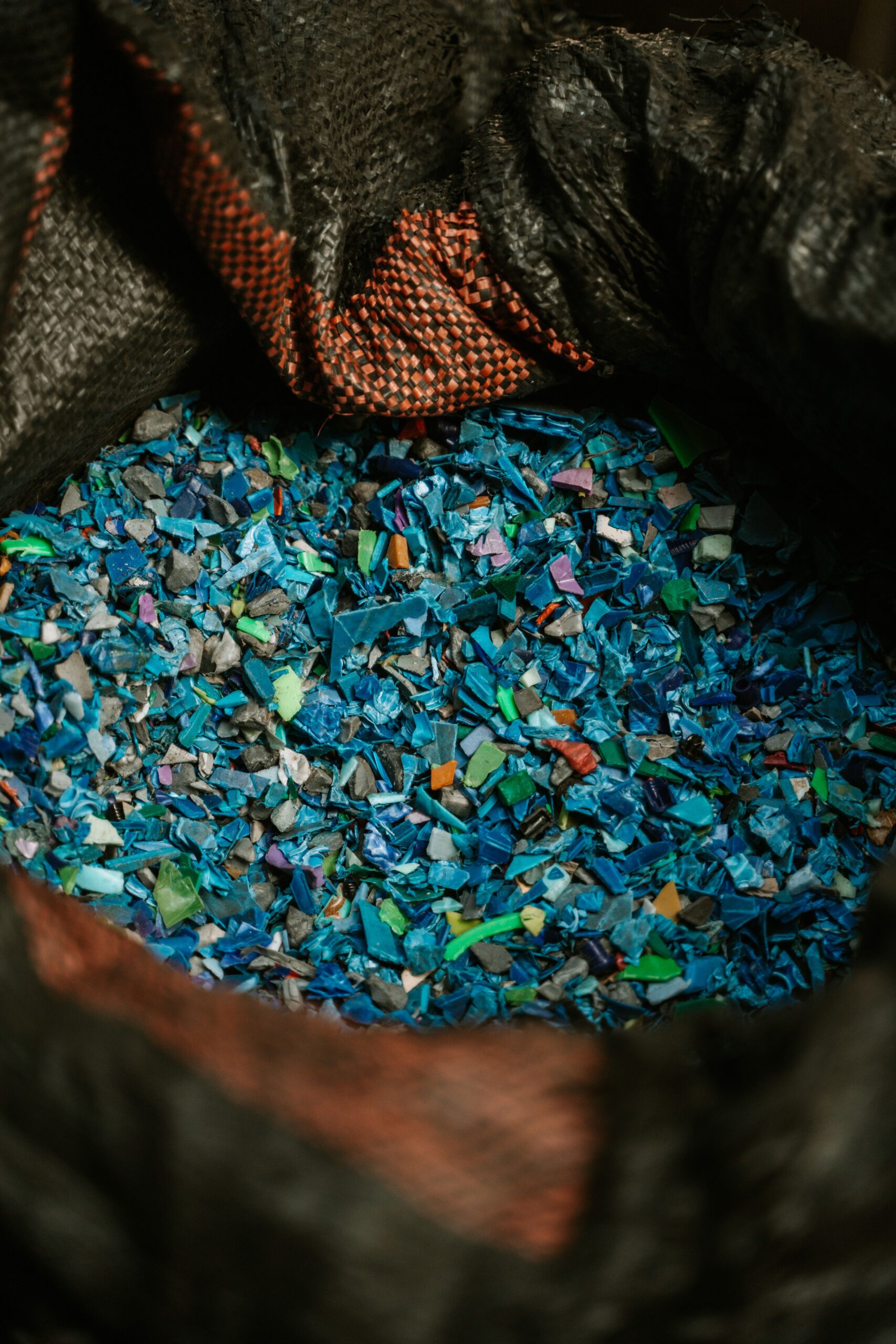
Supplying recycled resin for beverage packaging begins with the recovery and sorting of used products. Collected PET must be separated from other materials, cleaned, and processed to address contamination before it can be returned to food packaging applications. European food-contact rules require assessment and control of the recycling process, including its capacity to remove contaminants that could otherwise migrate into the packaged food or drink.
Consistent access to qualified rPET becomes more important when a beverage manufacturer extends a material specification across an entire brand rather than selected products. Competing uses for recovered PET, differences in collection rates between markets, and limitations in food-grade recycling capacity can affect the availability and cost of suitable resin. Purchasing arrangements must therefore account for the quality as well as the quantity of material supplied.
European regulation is increasing demand for post-consumer recycled plastics. Under Article 7 of the Packaging and Packaging Waste Regulation, single-use plastic beverage bottles are subject to minimum recycled content levels of 30% from 2030, or three years after the relevant implementing act takes effect if later, rising to 65% in 2040. The regulation calculates recycled content across the relevant packaging type and format as an annual average per manufacturing plant.
La Casera’s material specification cannot be compared directly with those statutory calculations without accounting for the other plastic components. Closures commonly use different polymer grades to the bottle body, while labels and sleeves introduce additional material and adhesive requirements. Their selection influences both the overall recycled content calculation and the ability of sorting and recycling systems to recover clean PET feedstock.
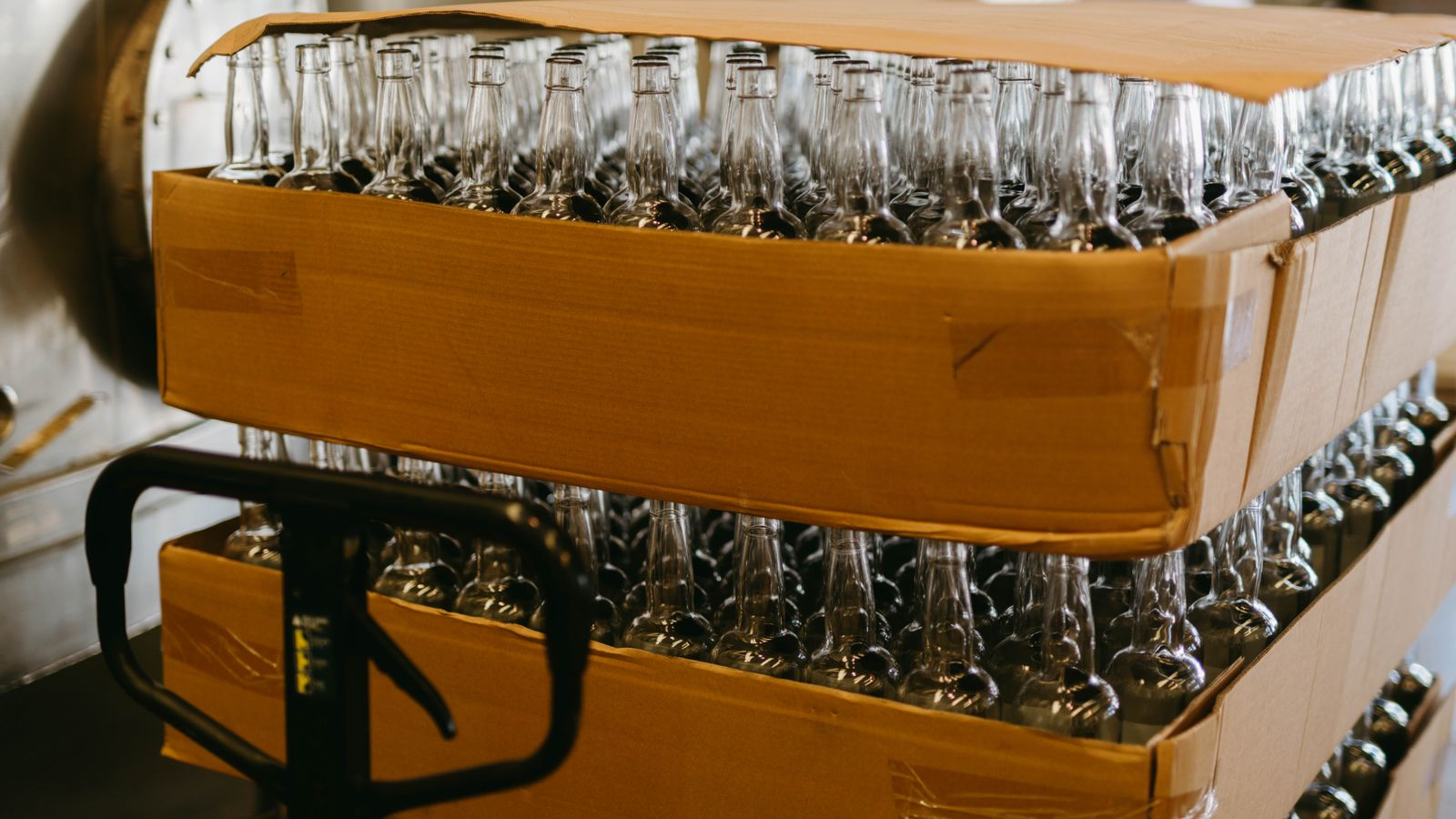
Suntory’s parallel glass strategy involves a different industrial process. Approximately 60% of its glass bottles marketed through the hospitality channel are returnable, and the company reports selling more than 140 million returnable bottles during 2025. Individual containers can remain in circulation for up to ten years. To support the system, Suntory invested €5.6m in modernising the returnable glass line at its Toledo factory in 2024.
Returnable bottle lines must accommodate containers that have passed through multiple distribution and use cycles. Incoming bottles require inspection to identify damage and unsuitable containers before washing removes residues and prepares them for refilling. Storage, collection, and transport arrangements influence how quickly bottles can return to the factory, while the capacity of the washing and inspection systems constrains the volume available for subsequent filling.
Recycled PET relies on a continuing supply of qualifying recovered polymer and bottle conversion capacity; returnable glass depends on the circulation and preparation of existing containers. With La Casera’s PET bottle conversion complete in mainland Spain and the Balearic Islands, Suntory’s next material milestones will depend on progress across its remaining brands ahead of its 2030 target.