IN Brief:
- Second quarter revenue increased by 5.6%, while total volumes rose by 0.9%.
- Beer volumes increased by 1.1%, supported by Corona, Stella Artois, and Michelob Ultra.
- Alcohol free and adjacent beverages are broadening processing, hygiene, formulation, and packaging requirements across brewing networks.
AB InBev recorded second quarter revenue growth of 5.6% as total beverage volumes increased by 0.9% and beer volumes rose by 1.1%. Organic EBITDA increased by 5.8% to approximately $5.94 billion.
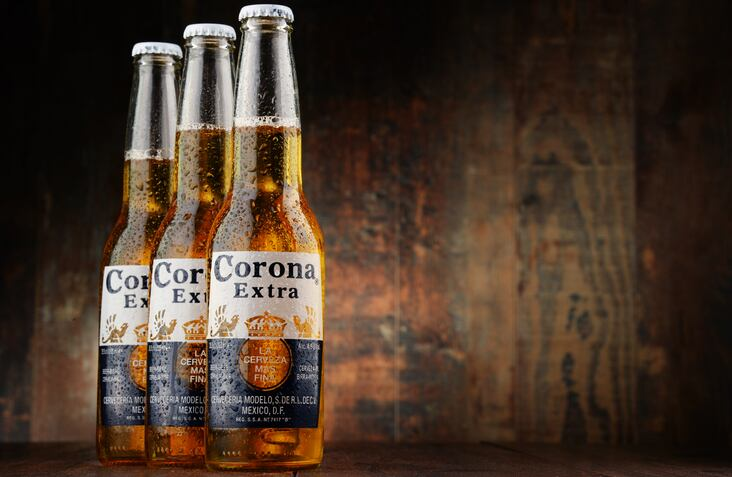
Revenue reached about $16.66 billion during the quarter, supported by stronger global brands and growth across several markets in the Americas. Corona revenue outside its domestic market increased by 17%, Stella Artois by 19%, and Michelob Ultra by 21%.
Beer volumes reached record second quarter levels in Mexico, Colombia, and Ecuador, while Brazil returned to growth. Performance remained weaker in China, where volume declined by 9.7%, and sales to wholesalers and retailers also fell in the United States.
Major sporting events supported brand activity during the period, although consumer confidence, geopolitical disruption, and extreme weather continued to influence demand. The company maintained its full year expectation for organic EBITDA growth of between 4% and 8%.
Alongside conventional beer, AB InBev has continued to develop alcohol free and adjacent beverage categories. The expansion adds production formats that require different yeast, fermentation, separation, flavour, filtration, and microbiological control from standard strength beer.
Investment in alcohol free brewing is also increasing among smaller producers, with Sunrise Beverages acquiring Days Brewing to expand its presence in the category. As sales move beyond specialist channels, manufacturing scale and product stability are becoming more decisive.
Brewers can produce alcohol free beer through arrested fermentation, specialised yeast, membrane filtration, vacuum distillation, or combinations of these processes. Each method affects aroma, body, flavour retention, energy use, and capital demand, leaving manufacturers to balance sensory performance with production economics.
Removing alcohol also reduces part of beer’s natural resistance to microbial growth. Hygiene, pasteurisation, sterile filtration, filling conditions, package integrity, and shelf life validation require closer control, particularly when products are distributed at ambient temperature for extended periods.
Adjacent beverages add further complexity when they enter brewery networks. Flavours, sweeteners, fruit components, colours, and different alcohol bases may require dedicated dosing systems, additional cleaning, new allergen controls, or separate storage. Shared fillers and tanks can improve utilisation, although every added formulation increases scheduling and verification work.
Premium global brands create a different manufacturing challenge because the same product must remain consistent across breweries operating with different water, malt, equipment, and climate conditions. Central specifications need to be supported by analytical testing and local process control if additional volume is transferred among sites.
Packaging networks are also broadening as producers supply bottles, cans, kegs, multipacks, and smaller convenience formats across alcohol and alcohol free ranges. Material availability, filler compatibility, pasteurisation requirements, and line changeovers can influence whether a growing product gains enough capacity to remain available.
AB InBev’s return to volume growth strengthens utilisation across its brewing network, while the composition of that growth is making the production task less uniform. Large scale brewing remains central, but alcohol free and adjacent products require greater flexibility, tighter microbiological control, and more varied formulation and packaging capability.