IN Brief:
- Kerry recorded first half revenue of €3.3 billion and volume growth of 3.3%.
- EBITDA reached €558 million as margin increased by 60 basis points to 16.7%.
- Manufacturing footprint changes, digital operations, taste, and biotechnology remain central to Accelerate 2.0.
Kerry recorded first half revenue of €3.3 billion as stronger volumes and savings from its Accelerate 2.0 programme supported a wider operating margin. Group volume increased by 3.3%, including growth of 3.5% during the second quarter.
EBITDA reached €558 million, compared with €556 million during the equivalent period, while EBITDA margin increased by 60 basis points to 16.7%. Adjusted earnings per share rose by 7.9% on a constant currency basis to 214.1 cent.
Free cash flow reached €262 million, representing cash conversion of 76%, and the interim dividend increased by 10% to 46.2 cent per share. Kerry maintained its full year guidance for adjusted earnings per share on a constant currency basis.
All three operating regions delivered volume growth, with strong performance in the Americas, a solid result in Europe, and further growth across Asia Pacific, the Middle East, and Africa. The company is continuing to expand manufacturing capacity in emerging markets while developing its taste and biotechnology platforms.
Accelerate 2.0 includes changes to Kerry’s manufacturing footprint, procurement, operating model, and digital systems. Savings from the programme supported the first half margin increase, while site optimisation and production transfers continued alongside investment in higher growth technical capabilities.
Manufacturing investment across Ireland is also moving towards more specialised and higher value production, with Kinisla committing €300 million to dairy processing and product development. Both programmes reflect the capital required to move agricultural raw materials into differentiated ingredients rather than relying on commodity volume alone.
Kerry’s customers are attempting to manage several formulation pressures simultaneously. Sugar, salt, and saturated fat reduction must be achieved without losing texture, flavour, process tolerance, or shelf stability, while volatile prices for cocoa, dairy, crops, energy, and packaging continue to reshape recipe economics.
Those requirements give application capability a direct connection with manufacturing performance. A formulation developed at laboratory scale may react differently when exposed to industrial mixing, homogenisation, thermal treatment, extrusion, freezing, or extended storage. Ingredient suppliers therefore need pilot equipment, analytical systems, and process knowledge capable of reproducing customer conditions before commercial production begins.
Biotechnology provides additional routes to formulation and processing gains. Enzymes, cultures, fermentation products, and functional systems can alter sweetness, viscosity, yield, stability, and shelf life, although adoption depends on reliable supply, regulatory clearance, and predictable performance across different factories and raw material batches.
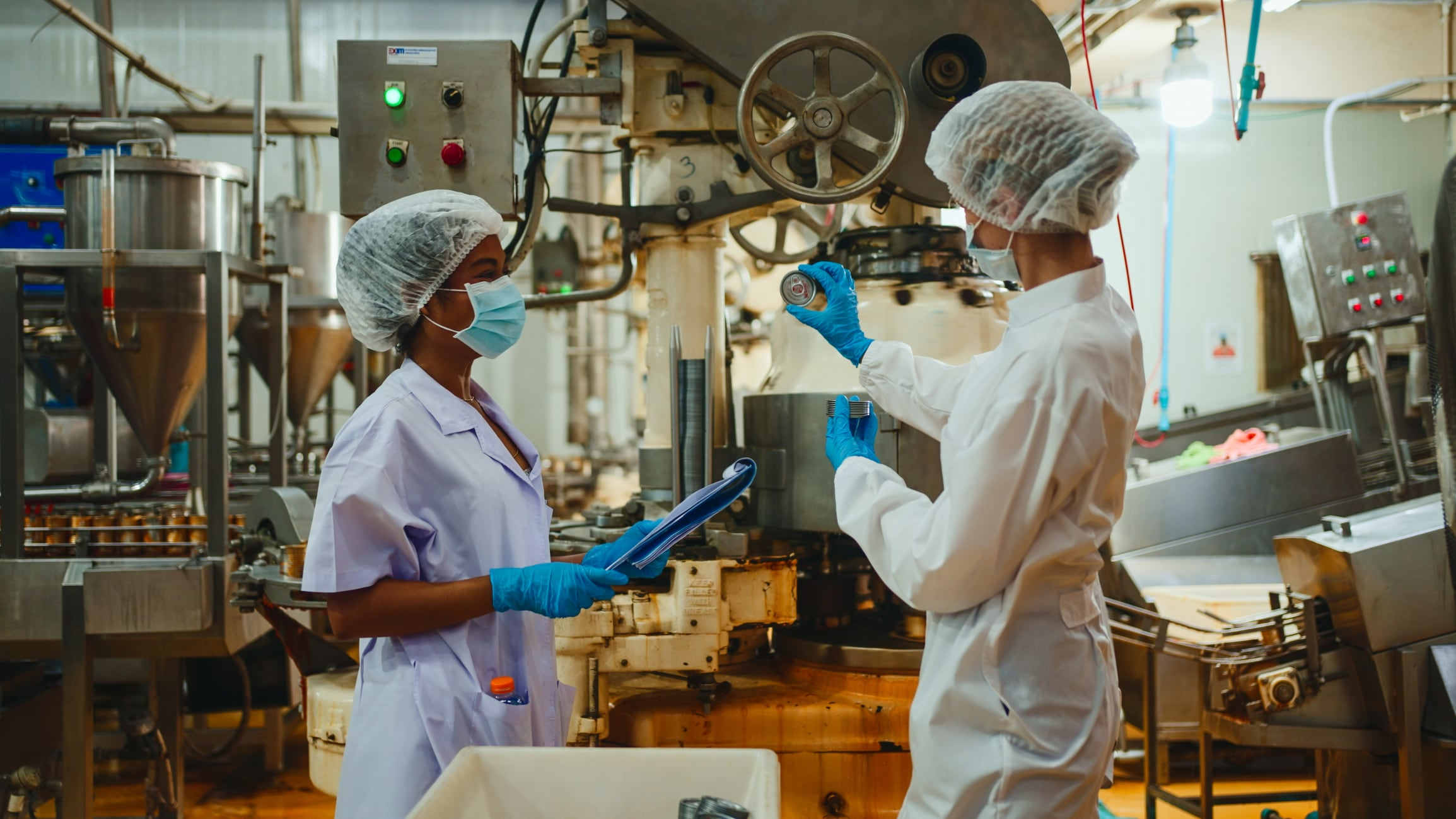
Footprint optimisation can improve utilisation and remove duplicated cost, but transferring production between sites requires extensive control. Allergen status, raw material approval, sensory profiles, analytical methods, equipment design, and customer specifications need to remain aligned while recipes and processes move from one facility to another.
Digital operations can make those transfers easier to govern by linking specifications, recipes, process settings, quality records, and production data. Their value depends on consistent master data and disciplined use on the factory floor, since an automated system can reproduce an incorrect specification as efficiently as a correct one.
Kerry has set new financial targets extending to 2030, including continued volume growth and an EBITDA margin of between 20% and 21%. Reaching that range will require further savings without weakening technical service or manufacturing resilience, particularly as customers demand more complex formulations across shorter development cycles.