IN Brief:
- ABMA has started a three-year programme covering collection, recycling, and Design for Recycling guidance for industrial aseptic bags.
- Existing multimaterial structures provide barrier performance and strength but create difficulties for conventional polyethylene recycling streams.
- The work is intended to support continued use of aseptic bags as EU packaging recyclability requirements tighten towards 2030.
The Aseptic Bag Manufacturers Association (ABMA) has launched a three-year programme intended to establish a viable recycling route for industrial aseptic bags as European packaging rules move towards stricter recyclability requirements from 2030.
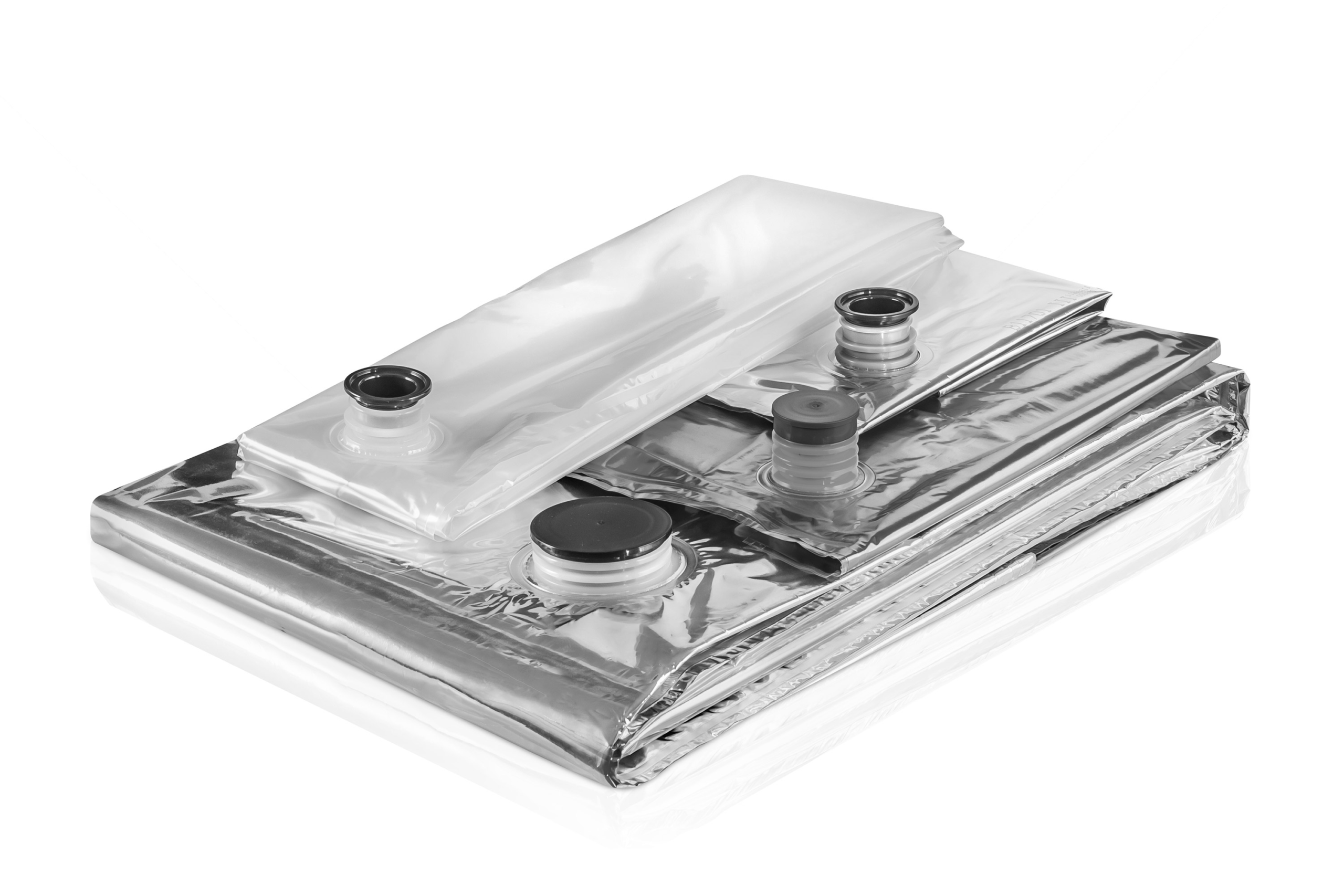
The initiative combines work on collection, recycling technology, and Design for Recycling guidance for the multimaterial bags used for products including tomato ingredients, juices, sauces, and other processed foods. ABMA is also engaging with recyclers and producer responsibility organisations as it develops a system intended to work across European markets rather than depend on isolated local schemes.
Industrial aseptic bags are difficult to recycle because the performance required from them often depends on structures more complicated than conventional polyethylene film. Depending on the application, packs can include metallised PET, aluminium foil, or polyamide alongside polyethylene. Those combinations provide barrier properties, mechanical strength, and the shelf life required for bulk ingredients, but they can reduce recyclate quality or make the packs difficult to process through established polyethylene recycling streams.
The performance requirement remains demanding. Aseptic packaging has to protect products through filling, storage, transport, and potentially long periods between a seasonal harvest and subsequent food production. ABMA says some packed ingredients may need to remain protected for up to 24 months, making barrier performance and pack integrity fundamental parts of the specification.
The programme therefore extends beyond material substitution. Used bags need to be collected separately to reduce contamination before being sent to recycling operations capable of handling their material combinations. Work will also examine transport efficiency, qualification of suitable recycling processes, and possible uses for recovered material, including assessment of recyclates for food contact applications.
Regulation (EU) 2025/40, the Packaging and Packaging Waste Regulation, is driving the timetable. The PPWR began applying generally across the European Union on 12 August 2026 and introduces phased obligations covering packaging design, recyclability, recycled content, minimisation, reuse, labelling, and substances of concern. Packaging will have to meet recyclability criteria from 2030, with detailed Design for Recycling criteria to be developed through secondary legislation.
The regulatory framework increasingly connects pack design with the ability to collect, sort, and recycle the resulting waste at scale. Work to turn PPWR obligations into auditable packaging processes has already shown how compliance reaches across specifications, evidence, supplier controls, and internal responsibilities rather than sitting solely with a packaging development team.
Industrial aseptic packaging also differs from high-volume household packaging because its users form a comparatively concentrated group of food producers. That concentration creates an opportunity for controlled collection, but it can also mean that recovery routes need to be designed around industrial users rather than relying on existing household systems. A technically recyclable pack still needs a credible route from the emptied bag to a recycler able to process it.
ABMA’s approach links the collection system to the design guidance. The association wants dedicated Design for Recycling criteria that recognise the packaging’s barrier requirements and separate collection route, while recycling technologies need to demonstrate that they can process the structures at useful quality and scale.
Food safety remains part of the engineering constraint. Removing a barrier layer may improve theoretical recyclability while reducing protection for a sensitive ingredient, creating a poor trade-off if spoilage, product loss, or shorter storage life increases elsewhere in the operation. A structure that performs well in a recycling trial must still withstand industrial filling, handling, palletisation, transport, and storage before it can replace an established pack.
Manufacturers of tomato products and juices face an additional scheduling issue because production is closely tied to harvest cycles. Packaging ordered for a future season has to be specified, qualified, and available before the crop reaches the factory. ABMA has identified the 2028–2029 winter harvest period as an early point at which future requirements could begin influencing commercial packaging decisions.
The three-year programme gives the sector a defined route towards 2030, but the work is likely to expose where the remaining gaps sit between laboratory recyclability and a functioning industrial recovery system. Barrier design, machinery performance, product protection, collection logistics, and recycling capacity all have to align if aseptic bags are to retain their current production role under tighter European packaging rules.
That leaves the sector with a practical deadline rather than a purely regulatory one. Material structures, collection contracts, recycling routes, and customer specifications need to be qualified before processors enter the relevant harvest cycles. By then, the useful measure will be whether emptied aseptic bags can move through a repeatable recovery system without weakening the product protection that made the format valuable in the first place.