IN Brief:
- Ashford Port Health Authority says it has seized and destroyed 208,563.81kg of unsafe food since November 2024.
- The total includes 39 tonnes removed from the supply chain since 20 March 2026 alone.
- Temperature abuse, unsanitary transport conditions, contaminants, and infectious disease risks remain central enforcement triggers.
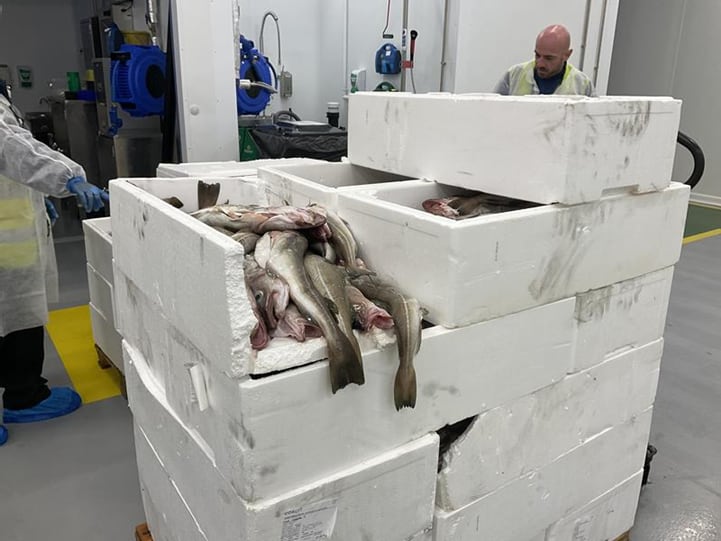
Ashford Port Health Authority has seized and destroyed 208,563.81kg of unsafe food since November 2024, with the latest figures underlining the scale of official controls now being applied to imported consignments entering Great Britain through the Dover and Eurotunnel corridor.
The authority said 39 tonnes of that total have been intercepted and removed from the supply chain since 20 March 2026 alone. More than 97% of the potentially unsafe consignments handled at the border are imported from the EU.
The goods detained are not limited to documentary errors or minor compliance faults. Products can be stopped because of infectious disease risk, contaminants including pesticides and heavy metals, unsanitary transport conditions, or inadequate temperature control. In practical terms, that means consignments may fail on safety, hygiene, or biosecurity grounds before they reach processors, distributors, or retail channels.
Ashford’s role has expanded sharply since border controls on imported food were introduced through its Sevington inland border control post. The authority handles products of animal origin, high-risk food and feed of non-animal origin, and related controls linked to consignments entering Great Britain via the Channel Tunnel and the Port of Dover.
It said thousands of consignments have been detained since checks on imported food began on 30 April 2024, with officers intercepting goods linked to disease risks including lumpy skin disease, sheep and goat pox, peste des petits ruminants, and African swine fever. Those are not abstract threats. Once products cross into the domestic supply chain, the consequences can move quickly beyond food safety into animal health, trade disruption, and much wider economic damage.
Anthony Baldock, corporate director of health and wellbeing at Ashford Port Health Authority, said every intercepted consignment represented food that could otherwise have entered the market. The authority has also continued to invest in AI-assisted document processing, intended to automate the first stage of import checks and allow officers to focus attention where the risk profile is highest.
For food manufacturers, the immediate effect is a harder border environment with less room for error on temperature assurance, sanitary handling, documentation quality, and disease-related sourcing risk. Imported raw materials and finished goods may still flow, but the tolerance for weak controls is narrowing.