IN Brief:
- Barings has completed the ownership transaction alongside managing director and co-founder Karen Wood.
- David Wood Baking operates seven UK manufacturing sites and employs more than 1,500 people.
- The acquisition follows the 2023 Dudley factory fire, 2024 financing and receivership over company shares in April 2026.
Barings has completed the acquisition of David Wood Baking UK Limited in partnership with its managing director and co-founder, Karen Wood. The Leeds-headquartered manufacturer supplies baked goods, savoury foods and ready meals to retailers and foodservice customers from seven UK production locations. The October ownership change follows a period of recovery and financial restructuring after a major factory fire, while management has signalled plans to refresh the company’s brand.
David Wood Baking employs more than 1,500 people across its production network, according to reporting on the transaction. Its range extends from bread and pastries to food-to-go and prepared meals, bringing several kinds of cooking, chilling and packaging operation under one business. Maintaining customer specifications across those formats requires reliable ingredient supply, line scheduling, food safety records and distribution arrangements at each site.
Karen Wood continues to lead the company alongside chief financial officer Bruce Korican and operations director Aaron Corbett. Barings moves from an established financing relationship into ownership through the completed transaction. The existing management team provides continuity for customers and employees while the owners review the company’s commercial positioning and planned change of corporate identity.
The financing relationship began before the buyout. In April 2024, the manufacturer secured term debt and revolving asset-based facilities from Barings and Leumi ABL, with Interpath advising on the transaction. Those arrangements followed a serious September 2023 fire that destroyed the Dudley production facility. Barings’ 2024 announcement said the company migrated production to four other facilities with minimal interruption to customers. That move required the receiving sites to accommodate the displaced product formats, coordinate raw materials and packaging and maintain the delivery schedules promised before the fire. It also left the business managing the costs of the recovery while seeking financial stability.
A further step came in April 2026, when Interpath representatives were appointed joint receivers over shares in David Wood Baking UK Limited. Receivership over a shareholding is a specific ownership and security enforcement process, distinct from placing every operating factory into administration. The October purchase resolves that stage of the ownership process and formalises the relationship between the new owner and the continuing management team.
The seven-site manufacturing network remains central to the business. Industry reporting identifies two production locations in Bolton and facilities at Newport, Scarborough, Spalding, Sheerness and Workington. Although these sites are managed within one group, their equipment and customer approvals differ. Moving a product from one factory to another involves more than finding available hours on a line: recipes, food safety controls, cooking processes and packaging specifications must also match the receiving site.
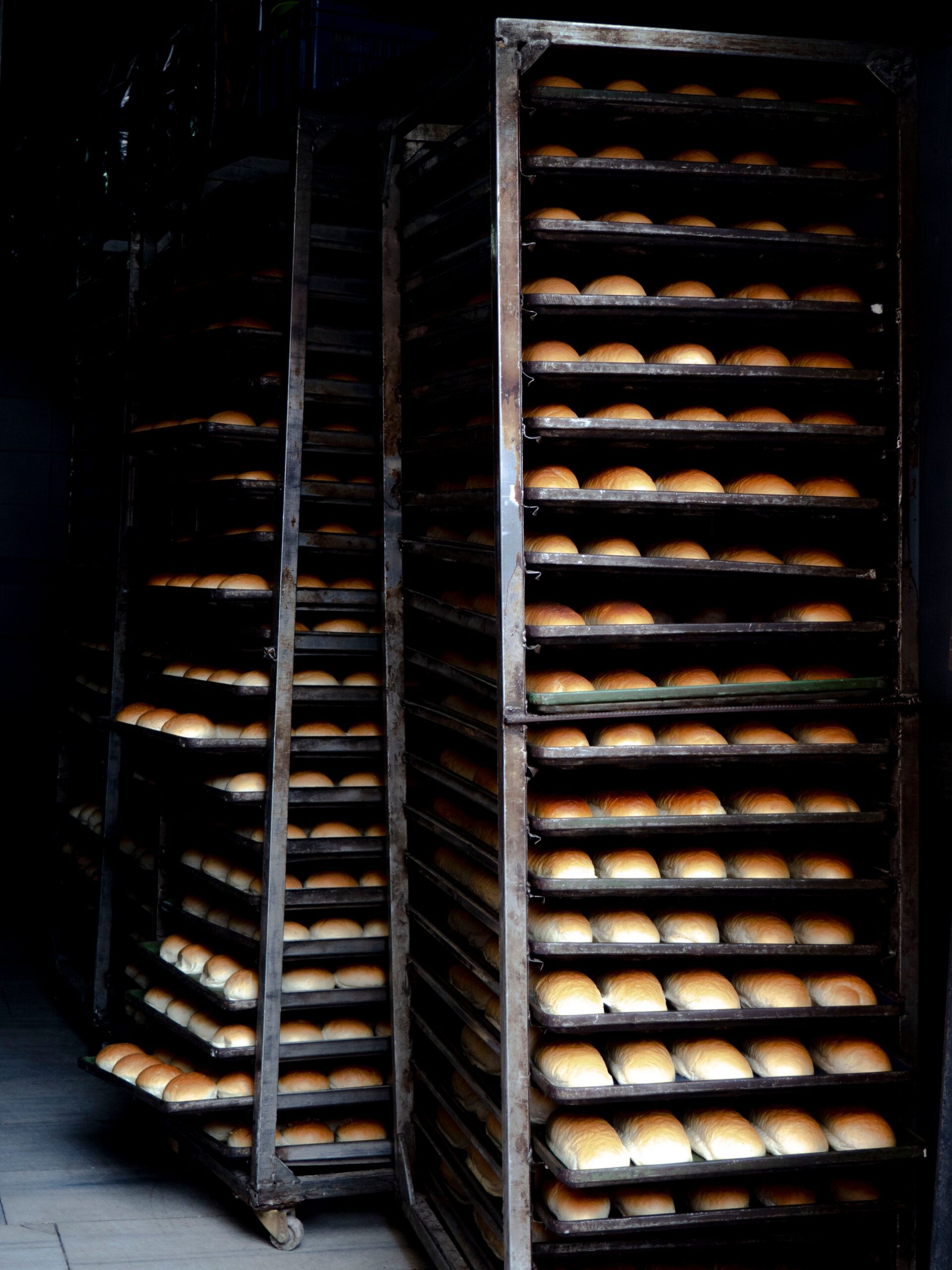
Bread production commonly moves from ingredient weighing and dough preparation through proving, baking, cooling and packing. Ready meals and savoury foods may rely instead on prepared fillings, portioning, thermal treatment and chilled handling, with different requirements for allergen segregation and shelf-life control. Those differences make production allocation a commercial and technical decision, particularly when a group is balancing varied retailer orders against the operating costs of multiple factories.
The Dudley fire provides a practical example of the exposure created when a major production location is lost. Shifting orders to other plants protects customer supply only when the alternative lines can deliver the required formats and volumes. Financial facilities arranged after the incident supported the business as it managed that disruption. The completed ownership transaction establishes a different capital and governance position for subsequent decisions about its network.
The company has also operated through rising ingredient, energy and labour costs, while earlier reported accounts showed pressure on operating performance. Those historical results belong to the period before the latest ownership change. Future financial reporting will show how sales, margins and cash generation are developing under the current structure, alongside any effect from the completed restructuring.
Management has indicated a rebrand as part of the next phase. That work can affect the corporate identity presented to customers and prospective employees while production continues across the existing factories. The current operational priority is to maintain service, product quality and delivery performance at the seven locations under the new ownership arrangements. Further capital plans would be communicated separately from the acquisition itself.
The next concrete developments are the new trading identity, details of any factory-level investment programme, changes to product allocation between sites and subsequent financial results. They will show how Barings and the continuing management team use the ownership change to support the bakery and prepared-food operation.