IN Brief:
- Defra seeks an increase in organically managed land in England from about 3.4% towards 10% by 2036.
- The plan identifies abattoirs, small processors and poor commodity-level data as obstacles to domestic organic supply.
- Implementation includes processing-gap mapping, closer supply-demand coordination and guidance on public-sector procurement.
Defra‘s ten-year Organic Action Plan for England puts food processing, supply-chain coordination and public procurement alongside its ambition to increase organically managed farmland. Published on 14 October, it aims to raise the organic share of England’s agricultural land from roughly 3.4% towards 10% by 2036. The plan identifies gaps between certified farm output and the facilities needed to turn that output into ingredients and finished foods for domestic customers.
Developed with the English Organic Forum, the programme seeks to increase the proportion of organic food sold in Britain that is supplied domestically. Defra places annual UK organic retail sales above £3.9 billion, while recognising that the size of the market says relatively little about where individual commodities are grown, processed or packed. Better information about demand and origin is intended to help businesses identify which domestic products can replace existing imports at commercially useful volumes.
The plan links three broad strands of work: enabling more organic production, matching supply with buyers and expanding market access. Farm conversion produces additional certified raw materials, but those goods still need appropriate slaughterhouses, mills, packhouses, stores and distribution services before food manufacturers can incorporate them into finished products. Where local services are missing, transport distances and batch sizes can make domestic processing uneconomic even when agricultural output increases.
Small-scale processing and abattoir provision receive particular attention. An organic livestock supplier needs slaughter capacity that can maintain the required identity and records for certified animals and meat. A dairy business needs traceable milk intake and suitably controlled storage and manufacturing processes. Processing bottlenecks can therefore interrupt the route from an organic farm to a retail shelf; mapping the location and type of those bottlenecks is one of the plan’s practical tasks.
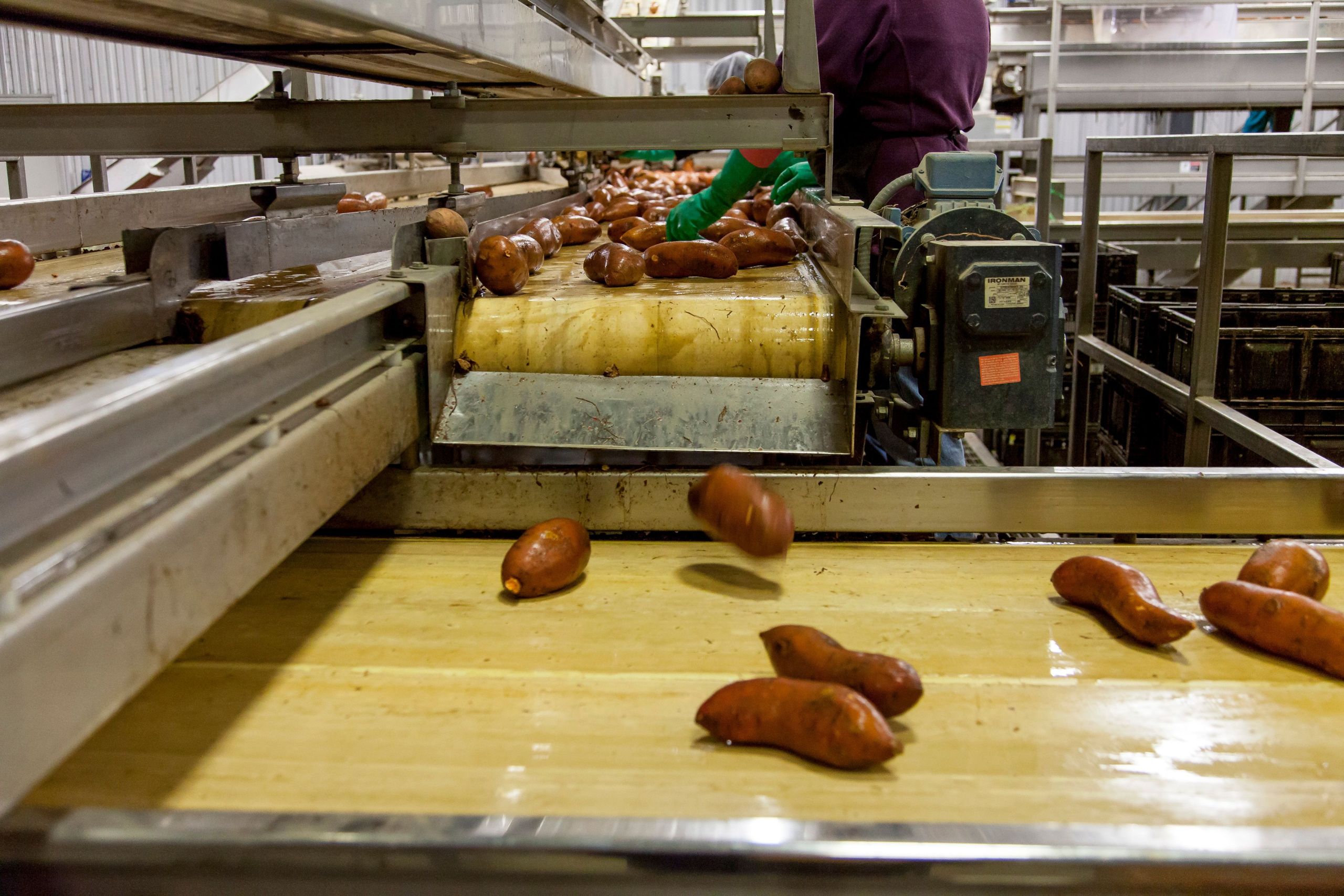
Similar constraints affect cereals, vegetables and fruit. Manufacturers purchase specific grades, moisture levels, sizes and processed formats, often at agreed delivery intervals. Increased supplies of an organic crop may create demand for milling, grading, packing, freezing or other preparation capability. The action plan calls for better identification of these requirements so that processors, producers and potential customers can assess gaps using commodity-level evidence rather than broad totals for certified acreage.
Production and trade statistics are another workstream. The government and industry bodies intend to improve their view of where organic supply is available, which categories rely on imports and where customers encounter shortages. A food manufacturer planning a certified production line needs expected volumes, specifications and reliable delivery schedules before making that commitment. Better visibility across farms, processors and buyers could also help aggregate smaller lots into runs suited to industrial equipment.
Public-sector purchasing is identified as a potential route to more regular demand. The plan proposes work on opportunities in schools, hospitals and other publicly funded catering services, including milk, cereals and seasonal vegetables. Government and industry representatives will examine which commodities could be sourced domestically and how contract requirements can accommodate eligible organic products within public procurement standards and budgets.
Guidance for contracting authorities is part of the implementation programme. Procurement officers need specifications for origin, certification, product format, delivery frequency and price, while suppliers need sufficient demand certainty to schedule processing and distribution. Manufacturers bidding for these contracts would also need to meet the traceability and food safety requirements associated with their ordinary supply agreements. Contracts emerging from this work will need agreed product standards and an administratively workable way to verify them.
Certification creates operational obligations after a sale has been agreed. Businesses must maintain evidence of organic origin, prevent unintended mixing with conventional materials where required and keep records as ingredients pass through storage, processing and packaging. These controls can be demanding when several small farms contribute to one manufacturing batch or when a processor switches between conventional and organic products on shared equipment.
Defra and the English Organic Forum will coordinate implementation over several years. The named measures include improved information and guidance, identification of processing gaps, work to align supply with demand and later procurement guidance for public buyers. The plan sets the direction for these activities but does not allocate a specified new food factory, processor grant or purchasing contract in its October publication.
Progress can be followed through the planned commodity mapping, the availability of certified processing services, the development of public purchasing guidance and the volume of domestic organic products reaching buyers. Those measures connect the 2036 land ambition to the food industry’s practical requirements for dependable production, handling and distribution.