IN Brief:
- Barry Callebaut has taken dedicated workspace within Gastronomica at Colworth Science Park.
- The location places its R&D team alongside The Magnum Ice Cream Company for joint development work.
- Current projects include chocolate, texture, flavour, and wider ingredient technology development.
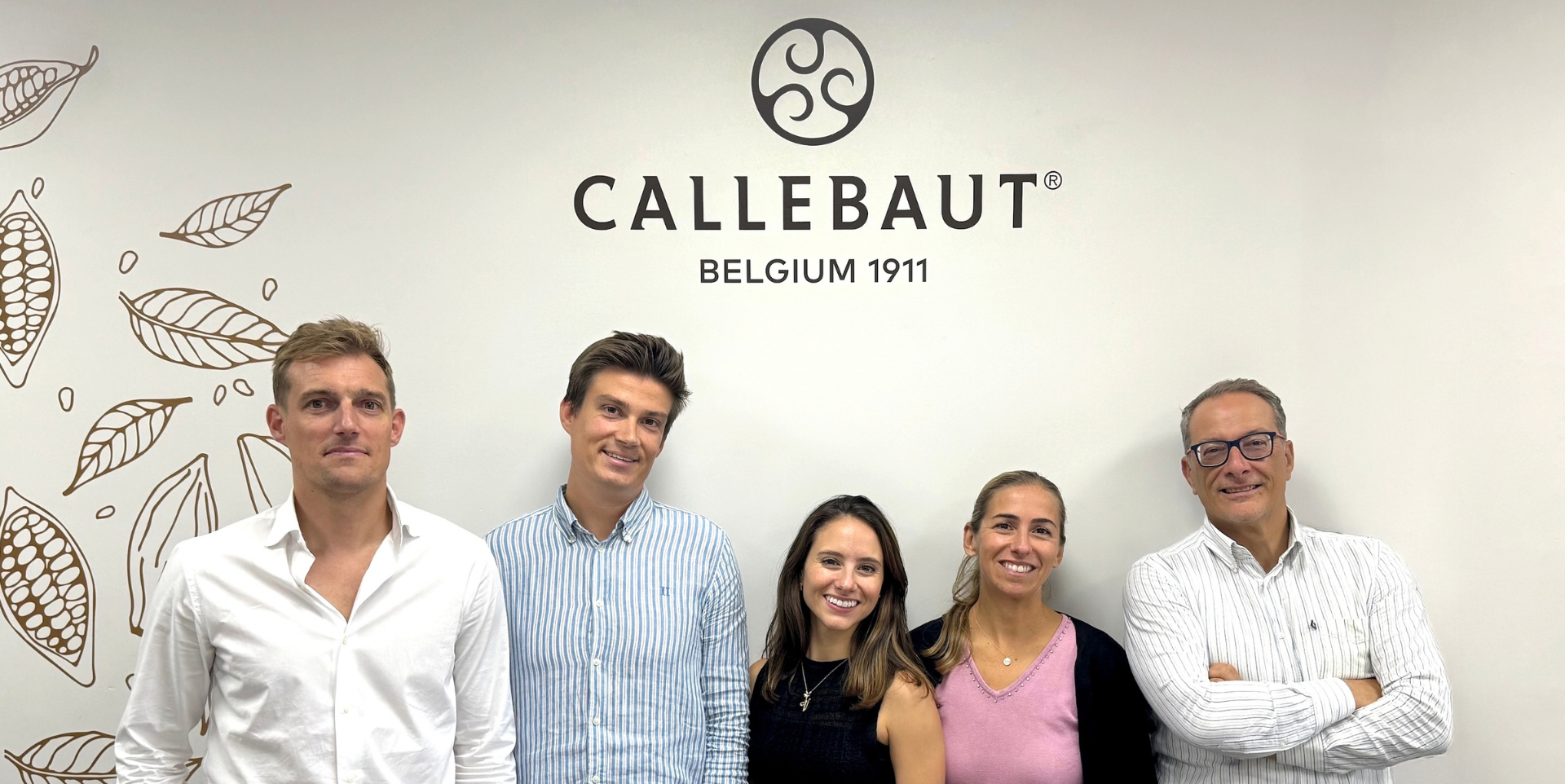
Barry Callebaut has expanded its UK research and development presence at Colworth Science Park by moving a team into the Gastronomica food technology incubator, placing chocolate and ingredient specialists alongside The Magnum Ice Cream Company for joint product development.
The company has taken dedicated workspace for its on-site team along with collaborative meeting areas intended for joint projects. Barry Callebaut says the move strengthens a relationship with Magnum that has operated for more than a decade and shortens the distance between ingredient development, ice cream expertise, and product decisions.
The initial work extends beyond conventional chocolate formulation. Teams are exploring textures, flavours, ingredient technologies, and wider chocolate based systems, bringing formulation work closer to the sensory and structural demands of coated and inclusion based frozen products.
Gastronomica has been developed around food and beverage research, with open access facilities that include small scale bioreactors, chromatography equipment, freeze and spray drying systems, a high pressure homogeniser, laboratories, a commercial kitchen, and tasting facilities. Companies can move between analytical work and application testing without transferring projects between separate sites.
Ingredient development at this level depends heavily on process behaviour. Chocolate coatings for frozen products have to perform through mixing, storage, application, freezing, transport, and consumption. A formulation that delivers the required flavour can still fail commercially if its viscosity is unsuitable for coating equipment, if it sets at the wrong rate, or if temperature changes alter cracking or texture.
The two companies have already worked together on the cracking chocolate coating associated with Magnum products. Closer physical collaboration allows fat composition, solids, viscosity, setting behaviour, flavour release, and interaction with the frozen substrate to be adjusted while development teams have direct access to one another.
Valeria Gutierrez, R&D director at Barry Callebaut, said the location would enable the teams to “work side by side” and accelerate collaboration and decision making. The arrangement is different from a conventional incubator tenancy because an established ingredient supplier is embedding technical staff close to a major customer’s development operation.
Gastronomica itself is designed to bring businesses of different sizes into a shared food technology environment. Dedicated laboratories and offices sit alongside analytical space, kitchens, tasting rooms, and shared equipment, while the wider Colworth campus already supports a concentration of food science and ingredient expertise.
Barry Callebaut operates more than 50 production facilities worldwide and supplies industrial food manufacturers as well as professional and artisanal customers. The Colworth move does not add manufacturing capacity, but it strengthens the application development work that connects cocoa and chocolate production with a customer’s finished process.
Supplier involvement at that stage has become more important as formulations are expected to satisfy several requirements simultaneously. A coating may need a particular sensory profile while also meeting cost, ingredient, processing, storage, and sustainability constraints. Resolving those interactions before a product reaches a full scale factory trial can reduce development cycles and expose basic incompatibilities earlier.
Frozen products create additional process limits. Temperature affects viscosity, setting, brittleness, and flavour perception, while the coating has to run reliably through industrial pumps, dosing systems, and enrobers. Development work therefore has to connect the laboratory formulation with the physical conditions found on a production line.
Shared technical space can shorten that feedback loop, particularly where customer teams can assess prototypes and processing behaviour without long delays between supplier and manufacturer. The approach also gives Barry Callebaut a closer view of development requirements before a formulation reaches the point where changes become more expensive.
The model is increasingly common among ingredient suppliers that want to compete on application expertise rather than material supply alone. Technical centres cannot reproduce every condition in a commercial factory, but they can narrow the formulation window before larger trials consume production time and raw materials.
At Colworth, Barry Callebaut is moving part of that work directly into one customer’s innovation environment. The size of the physical expansion is modest compared with a factory investment, but its effect will be measured in how quickly ingredient concepts can be translated into repeatable products capable of surviving industrial processing.