IN Brief:
- Belvoir Farm has launched Happi, a new canned functional drinks range in the UK.
- The two variants target digestive health and hydration using fruit juices, live cultures, fibre, electrolytes, minerals, and vitamins.
- The launch extends a premium soft drinks producer into a more technical formulation category shaped by wellness, taste, and clean-label expectations.
Belvoir Farm has entered the functional soft drinks market with Happi, a canned range designed around hydration and digestive health.
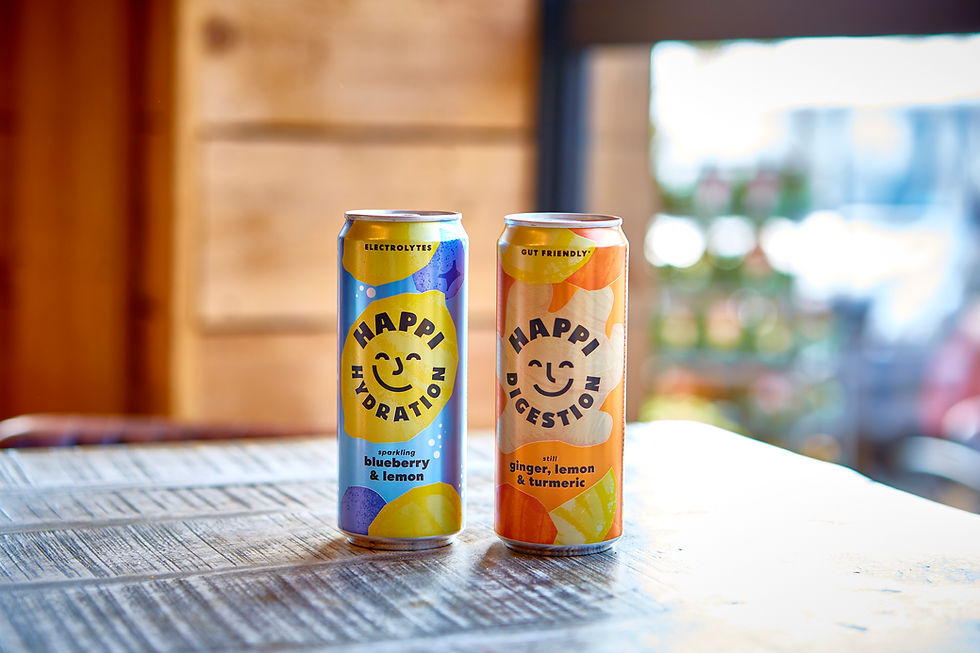
The UK soft drinks producer has launched two variants: still Ginger, Lemon & Turmeric and sparkling Blueberry & Lemon. The ginger, lemon, and turmeric drink is designed around gut and digestive support, using fibre, live cultures, calcium, magnesium, and vitamin C. The blueberry and lemon variant targets hydration, combining electrolytes from Himalayan pink salt with minerals and vitamins linked to electrolyte balance, muscle function, and reduced fatigue.
The range is naturally sweetened, low in calories, and formulated without artificial flavourings or sweeteners. It is initially available through Amazon UK and TikTok Shop, with wholesale distribution secured through Cotswold Fayre, Norfolk Minerals, Shire Foods, and Springvale Foods. The recommended retail price is £1.75 per can.
The launch takes Belvoir Farm beyond its established base in cordials, presses, and botanical soft drinks and into a more crowded, technically demanding functional beverage segment. Functional drinks now sit at the intersection of soft drinks, supplements, nutrition, and lifestyle-led wellness, although the manufacturing challenge remains practical: the product has to taste good, maintain stability, carry the required ingredients, and survive distribution without creating quality or compliance issues.
Live cultures, fibre, minerals, vitamins, electrolytes, juices, acids, carbonation, and flavour systems all affect formulation behaviour. Ingredient interactions can influence sediment, haze, mouthfeel, flavour stability, shelf life, carbonation performance, and can corrosion risk. Functional beverages demand close coordination between R&D, processing, quality, packaging, and regulatory teams.
Fermentation-led and better-for-you beverages have been building regional scale, with Remedy’s UK and Europe leadership changes showing how functional soft drinks are moving further into mainstream retail and distribution structures. Belvoir Farm’s entry adds another sign that the category is broadening beyond start-up brands and into the portfolios of established premium drinks producers.
Hydration and gut health remain two of the most active areas. Electrolyte drinks have moved beyond sport and into everyday usage occasions, while digestive health continues to support innovation across dairy, plant-based drinks, shots, kombucha, juices, and canned soft drinks. The technical bar is rising because consumers increasingly expect functionality without medicinal taste, artificial cues, or heavy supplement-style presentation.
Belvoir Farm’s brand fit will depend on whether Happi can carry functional claims while preserving the company’s natural ingredient identity. As soon as a beverage moves into health-led territory, manufacturers need strong evidence for claims, careful ingredient dosing, and regulatory discipline. Vague wellness language is giving way to more precise claims around hydration, digestion, immunity, energy metabolism, and fatigue reduction.
The channel mix also carries useful production signals. Launching through Amazon UK and TikTok Shop gives the range a direct route to trial, while specialist and independent wholesale distribution supports premium positioning. For a new functional drink, this can generate data before larger retail listings, although it also places pressure on manufacturing flexibility. Demand can be uneven, promotional activity can create spikes, and smaller-format launches may need careful production planning to avoid excess finished stock.
Cans remain a strong format for functional soft drinks because they support single-serve occasions, convenience, chillability, and shelf presence. They also bring packaging considerations around internal coatings, carbonation pressure, acidity, ingredient stability, and recyclability claims. A formulation carrying minerals, acids, juices, and live-culture positioning requires proper validation against the selected pack.
Belvoir Farm’s move reflects a broader shift in soft drinks manufacturing. The category is no longer divided neatly between indulgence, refreshment, and health. Functional products now need to deliver taste, credible nutrition, clean-label appeal, convenient consumption, and commercial scalability at the same time. Happi gives Belvoir Farm a route into that space, with repeat purchase likely to depend on whether the product can turn wellness interest into everyday use.