IN Brief:
- SAFE-ED Coatings aims to develop up to four coating systems for direct and indirect food, beverage, and drinking water contact.
- The project targets endocrine disruptor migration at undetectable levels below 1 ppb or complete elimination.
- The work responds to tighter regulation affecting BPA, bisphenols, epoxy coatings, and food-contact materials.
AIMPLAS and FAKOLITH are developing BPA-free coating systems in response to tightening regulation on bisphenol A and other endocrine-disrupting substances used in food-contact and industrial surface applications.
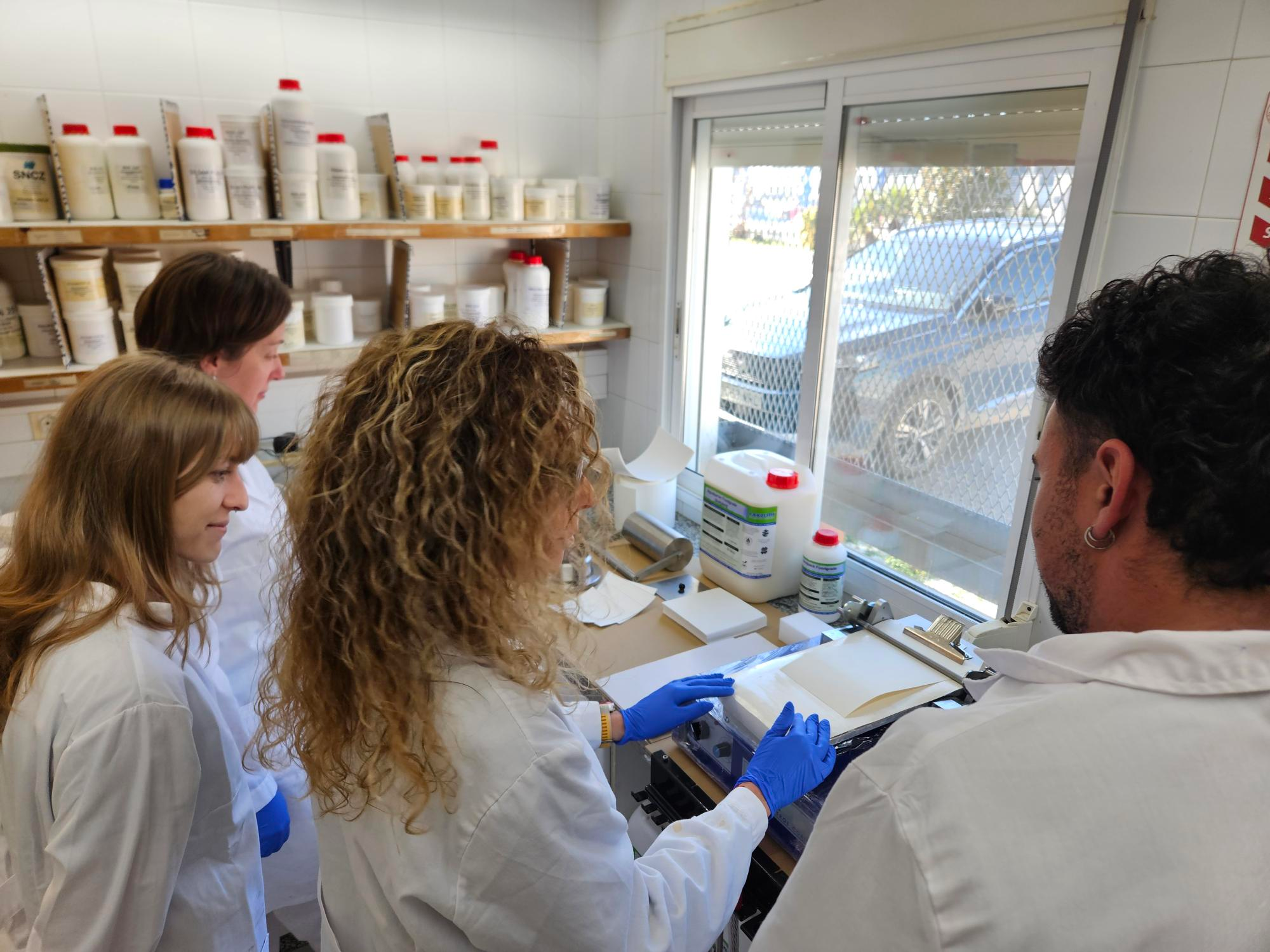
The SAFE-ED Coatings project is coordinated by FAKOLITH, with AIMPLAS contributing expertise in legislation, risk assessment, food-contact testing, and analytical methodology. The project aims to develop up to four coating systems suitable for surfaces used in direct and indirect contact with food, beverages, drinking water, construction, and civil engineering applications.
The target is to reduce endocrine disruptor migration to undetectable levels below 1 ppb, or eliminate it entirely, while maintaining the durability, cleanability, resistance, and functionality required from high-performance coatings. The project is scheduled to conclude at the end of 2026 and is supported by European Union NextGenerationEU funding through Spain’s Recovery, Transformation and Resilience Plan.
Bisphenol A has been widely used in industrial materials, including epoxy-based systems, because of its performance characteristics. That legacy is now being challenged by scientific and regulatory pressure. EFSA has recommended a drastic reduction in tolerable daily intake, while European rules are moving toward tighter restrictions affecting food-contact materials, drinking water systems, and associated industrial products.
Coatings appear across floors, walls, tanks, process areas, indirect-contact surfaces, packaging-related infrastructure, and drinking water systems. They must resist cleaning chemicals, moisture, abrasion, temperature variation, microbial risk, and repeated sanitation cycles. Replacing chemical systems that have performed reliably for decades is a difficult engineering task, not a simple material swap.
FAKOLITH is leading development and formulation work, using principles of elimination, reduction, and encapsulation of endocrine-disrupting substances. The project began with a pool of at least 80 raw materials, with a target that at least 60 meet direct food-contact requirements while remaining functional for the new coating systems.
Mª Carmen Moreno, researcher at the Food Contact and Packaging Laboratory at AIMPLAS, said: “We are adapting and expanding our testing methodologies for coatings in order to meet the new regulatory limits.” That work is essential because coatings do not fit neatly into every existing test model. Migration behaviour depends on surface chemistry, substrate, curing, exposure conditions, cleaning regimes, temperature, and the food or liquid contact environment.
Marta García, R&D&I Director at FAKOLITH, said: “The speed at which legislation is evolving means that many existing solutions are becoming obsolete. The coatings sector needs safe and functional alternatives, and SAFE-ED Coatings will make it possible to anticipate these changes with viable technologies for industry and properly certified market-ready solutions.”
The development sits within a wider shift in food safety, where materials and infrastructure are receiving closer scrutiny. Infant formula process risk, hygienic equipment design, packaging materials, seals, drives, containers, and surface treatments are increasingly being viewed as parts of one safety architecture rather than isolated compliance areas.
Adoption will depend on more than regulatory fit. Food and beverage sites cannot replace coatings casually. Application downtime, curing time, substrate preparation, certification, validation, cleaning compatibility, and service life all affect the decision. A safer coating that fails under wash-down conditions or cannot tolerate aggressive cleaning chemicals will not be viable in demanding production environments.
SAFE-ED Coatings is therefore both a regulatory project and an engineering project. Food and beverage plants need alternatives that are compliant, durable, cleanable, and certifiable. As BPA and endocrine disruptor restrictions tighten, the coatings sector has limited room for cosmetic reformulation. The strongest systems will be those that reduce migration risk without forcing factories to compromise hygiene, uptime, or operational continuity.